
The cheapest merch to make isn't the cheapest to launch: cost and risk for a first product
Unit cost, total commitment and sell-through risk are three different 'cheap'. A cost-and-risk framework for choosing a first merch product — stickers, acrylic keychains, magnets, badges, sticky notes — with the numbers buyers actually plan around, labeled honestly.
OFFPRESS editorial · Researched against external sources · Stage: Costs, timing & shipping · 6 Sept 2026
“What’s the cheapest merch I can make from my art?” is the right first question asked the wrong way. Every experienced merch seller eventually learns there are three different “cheap” hiding in it, and picking the wrong one is how a first order becomes a box of inventory.
This guide assumes you have already chosen a creator-merch business and are deciding which format to launch. If you are still comparing apparel, project work, general merchandise and other physical-product business models, start with the broader cost-of-being-wrong framework instead.
The short answer: separate unit cost (what one piece costs), total commitment (what you must spend before selling anything — minimums, setup, samples, packaging, freight) and sell-through risk (what happens if it doesn’t sell). Stickers usually win on all three for a first run, acrylic keychains are the classic next step, and anything bigger or fancier should wait until something has sold.
One honesty note before the tables: nothing here predicts demand. Sell-through is your design, your audience and your price — no manufacturer knows it, and any page that implies a product “will sell” is selling you something. What a cost framework can do is make sure the product you pick is cheap in every sense that matters, so the experiment is one you can afford.
The three “cheaps”
| What it measures | What drives it | Who forgets it | |
|---|---|---|---|
| Unit cost | Price per piece at your quantity | Format, size, finish, process | Nobody — it’s the number everyone compares |
| Total commitment | All money out before the first sale | MOQ × unit + setup/tooling + sample + packaging + freight | Almost everyone — this is the number that sinks first orders |
| Sell-through risk | Units you might not sell | Price point, audience fit, durability of demand | People who equate “cheap to make” with “low risk” |
A $0.40 sticker at a 500-piece minimum is a $200 experiment. A $1.20 keychain at the same minimum is $600 before samples, packaging and freight — cheaper per unit in no sense that matters to a first launch. This is the same arithmetic as MOQ vs unit price, applied at the moment of choosing a product rather than a quantity.
Cost and risk, format by format
General patterns for small custom runs, from production practice and seller communities — directions, not quotes (your actual numbers come from your quote; unit prices vary enormously with size, finish and quantity):
| Format | Setup/tooling | Unit cost at small qty | Default packaging | Freight density | Typical sell price* | First-run risk profile |
|---|---|---|---|---|---|---|
| Stickers | Minimal — digital cut, no mold | Lowest of the five | Envelope/op poly bag, near-zero weight | Excellent (flat, light) | Low ($1–4 range in artist-alley practice*) | Lowest commitment, lowest price point, easiest to test many designs |
| Acrylic keychains | Low–moderate (cut path; dome adds process) | Low–mid | Poly bag + backing card | Excellent (small, dense) | Mid* | The classic “real product” step — bigger commitment than stickers, still dense and cheap to ship |
| Fridge magnets | Low (die/size-dependent) | Low–mid | Poly bag + backing card | Excellent | Low–mid* | Similar economics to keychains; strength spec is the make-or-break detail |
| Badges/pins | Moderate (per-size tooling) | Low–mid | Poly bag or box | Excellent | Mid* | Size decision locks the tooling — size before artwork |
| Sticky notes | Low–moderate | Low, but sheet count dominates | Paper band or box | Good | Low–mid* | Looks cheap until sheet count inflates the run — print areas & sheet counts |
* Price points are practitioner evidence from artist-alley and small-seller communities (e.g. r/artbusiness threads and Artist Alley pricing guides) — community experience, not market statistics, and not a promise of what your work will fetch.
Bulky or heavy formats — desk mats, mouse pads, anything apparel-like — sit outside this table deliberately: their unit costs and freight behave differently, and for a first launch they’re usually the wrong experiment. Landed cost explains the volumetric-weight trap that catches bulky products specifically.
Where the cheap-first consensus comes from
Spend any time in artist-seller communities and the same advice recurs: start with stickers and small prints, test designs in small quantities, add keychains as the “staple” middle product, and treat pins and bigger formats as upgrades after something has sold (r/artbusiness and Artist Alley threads, passim). It recurs because it tracks the three-cheaps table: stickers minimize commitment and price-point risk simultaneously, so the market’s first product is also its cheapest experiment.
The same communities converge on small test quantities — tens of pieces per design rather than hundreds — which is exactly the first-run sizing logic: run size is information bought at the lowest price that still gets you real data. One structural note for merch bought from China: a 25–50-piece test that makes sense with a local printer may fall below a manufacturer’s minimum, so the practical unit of experimentation becomes “a few designs × a small quantity each” — which our multi-design quantity planning is built for.
Pre-orders and other risk reducers
- Pre-orders: selling before you order converts sell-through risk into a scheduling commitment. The trade-off is time — build the total order clock into your campaign dates.
- One hero design + supporters: put your commitment behind the design you’re most confident in; give the uncertain ones the smallest sellable run.
- Bundle pricing: communities report bundles (“3 for $10”) move sticker volume without new tooling — a merchandising lever, not a production one.
- Print-on-demand for apparel: POD platforms (Printful/Printify-class) remain the zero-inventory answer for shirts and mugs. Small-batch production is for the dense, gift-able, table-friendly formats above — many sellers run both.
A decision checklist
Pick stickers as your first product if: budget is minimal, you want to test many designs at once, or your artwork is detail-rich (print handles detail better than cut-out formats do). Pick acrylic keychains as your first product if: the design works as a silhouette, you want a “real product” at a mid price point, and a few hundred units is a commitment you can absorb. Pick magnets/badges/sticky notes when: the format matches the use you can picture (fridge, bag, desk) — format-fit details live in which merch format fits your artwork. Wait on any format if: you’d be guessing at the quantity, the packaging, or the freight — each is its own landed-cost decision.
The natural next step
Chosen a format direction? Send the design with a rough quantity — say it’s a first order: there’s no fixed minimum order quantity to clear, so the quote can meet the experiment you can afford, freight included.
Researched and written by the OFFPRESS editorial desk. General production principles are kept separate from order-specific figures — anything that depends on your job (lead time, sample cost, freight) is marked as confirmed with your quote, not stated as a blanket promise.
RELATED PRODUCTS
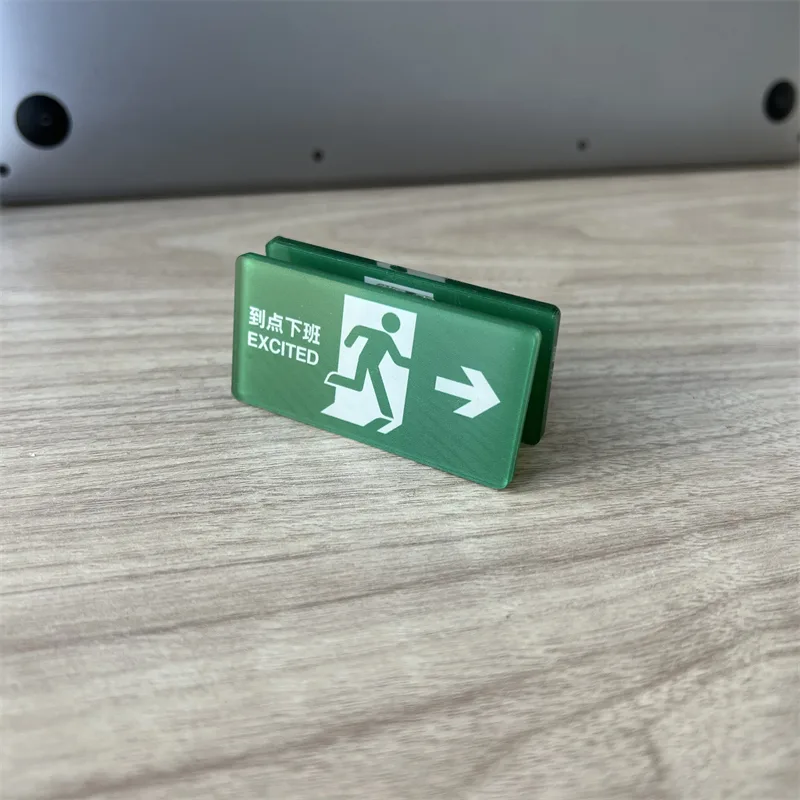
Acrylic Keychains
Cast acrylic, UV printed, cut to your outline. Epoxy, holographic or flat — your call.
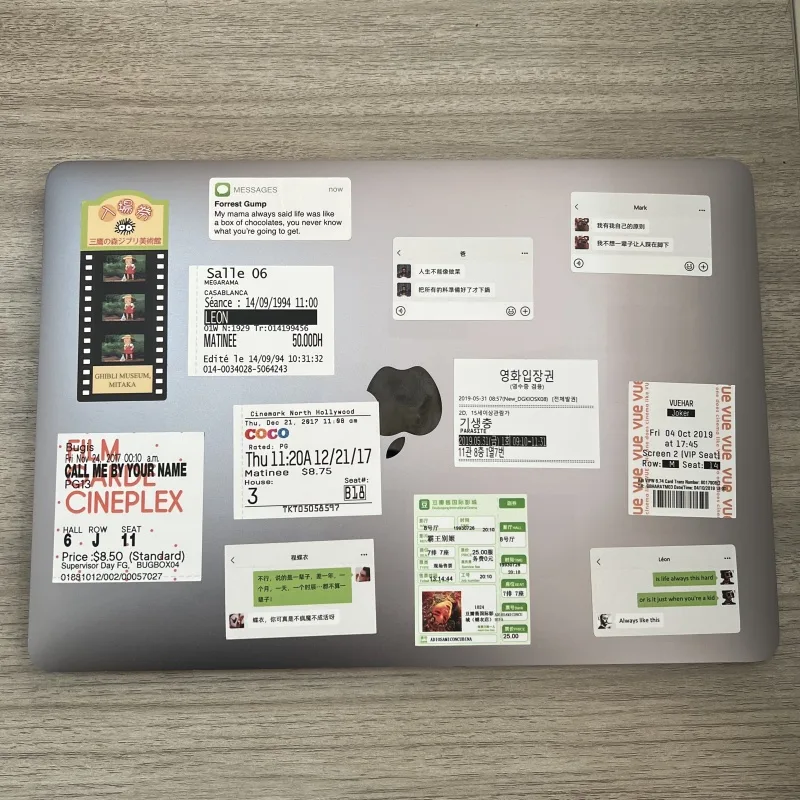
Stickers
Die-cut to your outline or kiss-cut on a sheet. Gloss, matte, holographic or clear.
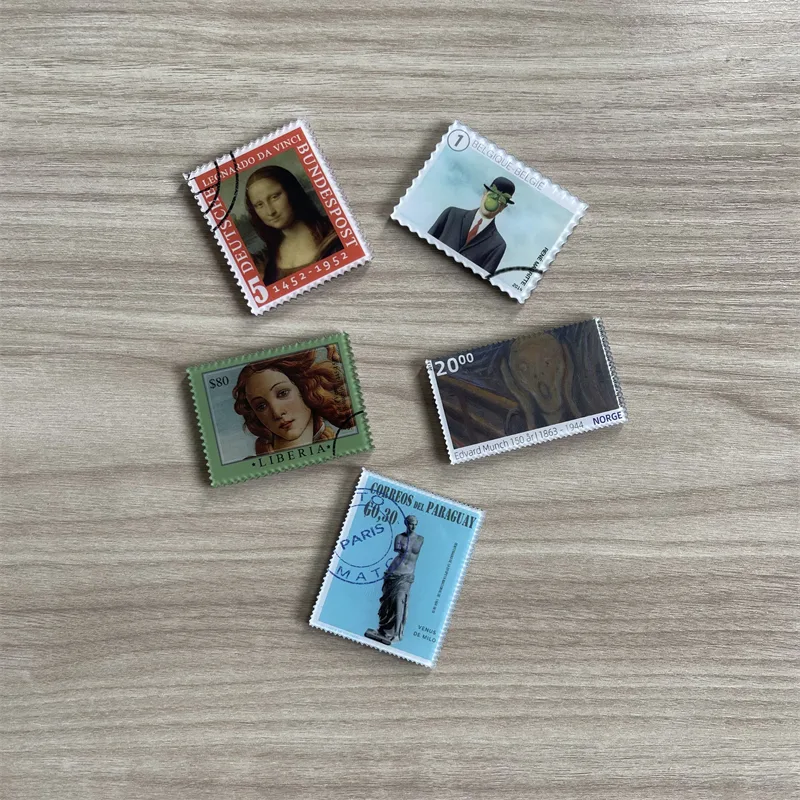
Fridge Magnets
The same artwork, a different object on the shelf. Printed, domed and backed to hold what you need it to hold.

Badges & Pins
Pin-back badges pressed to size. Loud artwork, low unit cost, easy to add to any order.
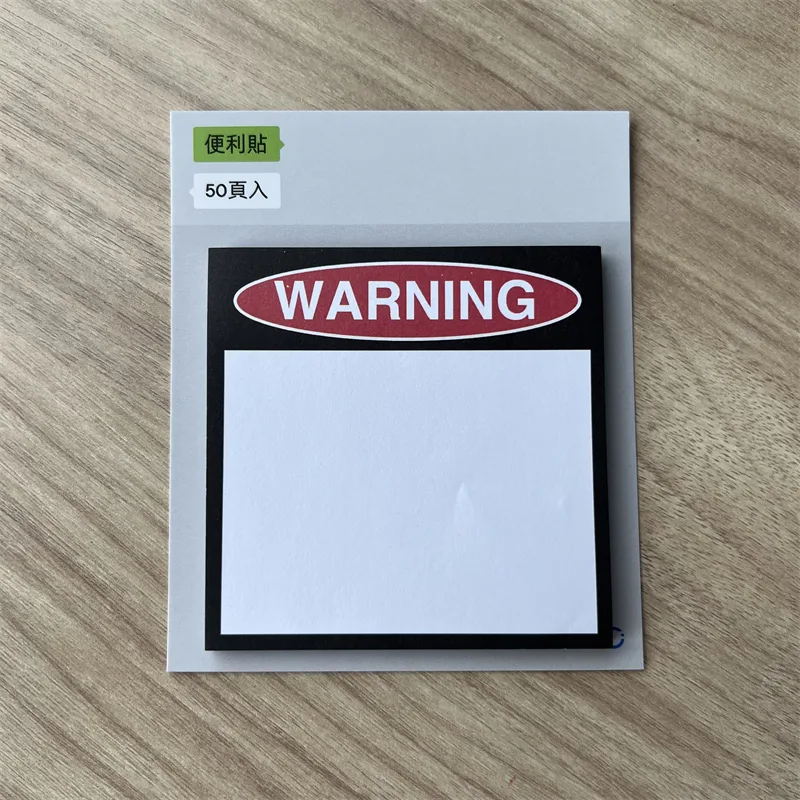
Sticky Notes
Repositionable pads with your artwork on the cover, the edge, or every single sheet.
KEEP READING