
How to plan quantities when you order several designs at once
Why ordering every design in equal quantities sounds fair and works badly — a framework for splitting a merch order across designs based on how they'll actually sell.
OFFPRESS editorial · Researched against external sources · Stage: First order · 2 Sept 2026
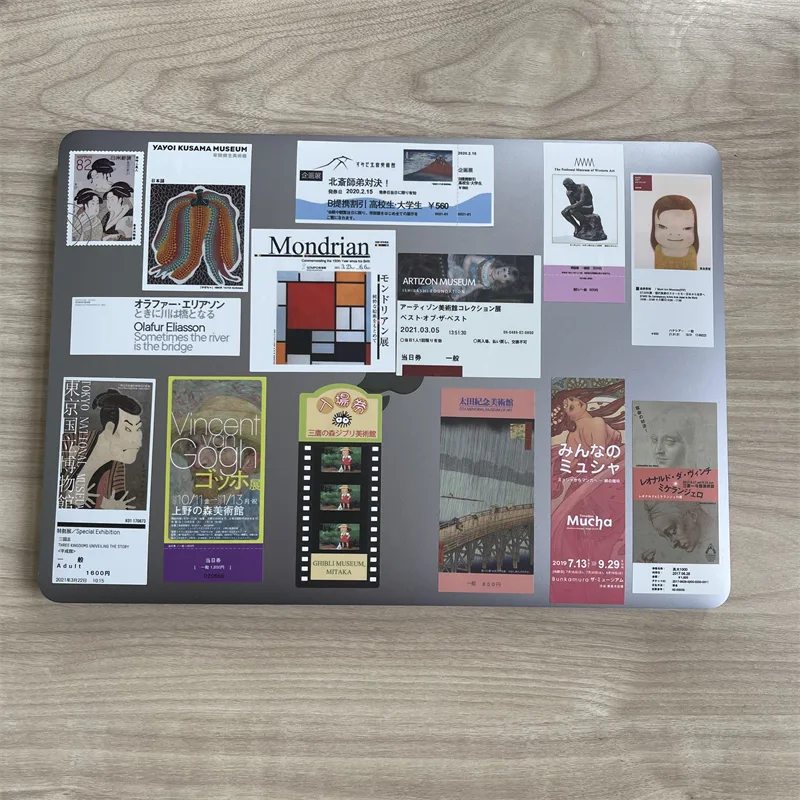
You have ten designs and one budget. The instinct is to order 100 of each — it feels fair, it’s easy to calculate, and it’s what most first orders look like. It’s also the pattern that produces the most leftover inventory, because your designs are not equally popular and equal quantities ignore that.
What follows is a framework, not a prediction. The community numbers below are practitioner experience from Artist Alley sellers, not industry statistics — treat them as starting points, then correct with your own sales data.
Why equal quantities fail
Your catalogue has a shape. Typically a couple of designs carry most of the sales, a middle group sells steadily, and a long tail sells occasionally. Ordering every design at the same quantity does two kinds of damage at once:
- Your best sellers stock out early, exactly when demand is proving itself.
- Your tail overproduces, and that money sits in a drawer in the form of unsold pieces.
Equal quantities don’t hedge your uncertainty about which design wins — they just guarantee you’re wrong about all of them equally.
A tiered split, on one order
The practical version most experienced sellers converge on:
Tier 1 — the proven (or strongly favoured) few. The 2–4 designs with real sales history or the strongest response. These get the deepest stock.
Tier 2 — the steady middle. The designs you expect to sell in normal numbers. Moderate stock.
Tier 3 — the long tail. Everything else. The minimum your supplier allows per design — enough to offer, low enough that leftovers don’t hurt.
Community rules of thumb for in-person selling (conventions, markets) put it in concrete terms: sellers with many keychain designs commonly bring as few as ~5–10 pieces of each per event and more of their known bestsellers; sticker designs typically run 20–30+ per design for a small-to-mid show because stickers move faster and cost less per unit. First-timers are generally advised to err low — you can restock a design that surprises you, but unsold stock is gone money.
A simple worksheet version:
| Tier | Designs | Share of total budget | Note |
|---|---|---|---|
| 1 | 2–4 proven/favoured | ~50–60% | Deep stock on what carries the line |
| 2 | 3–6 steady | ~30% | Normal stock |
| 3 | the rest | ~10–20% | Minimum per design; test the tail cheaply |
The percentages aren’t magic — the shape is. Steep, then flattening.
Ask for mixed-design runs before you assume
Many suppliers quote MOQ per order, not per design, and will mix designs in one production run — it’s how small brands afford breadth. When you request a quote, state the design count and the split explicitly:
“5 designs — 200 / 100 / 100 / 50 / 50 pcs — mixed in one production run of acrylic keychains.”
That single sentence changes what suppliers can offer you, and it surfaces the real constraint: minimum quantity per design (tooling and handling still apply to each design). If the per-design minimum is above your tier-3 budget, cut designs from the order rather than over-ordering every one. A design you can’t stock properly is a design to schedule for the next run.
Correct with your own numbers
Whatever you assume for the first order, the second order should be built from the first order’s data: what sold out, what crawled, what sat. Reorders are where the tiering stops being theory — see planning a reorder of a winning design and what actually changes with quantity when you resize.
If you’re planning a mixed-design order now: our quote form takes design count and mixed quantities as first-class fields, because that’s the information that makes the quote real.
Researched and written by the OFFPRESS editorial desk. General production principles are kept separate from order-specific figures — anything that depends on your job (lead time, sample cost, freight) is marked as confirmed with your quote, not stated as a blanket promise.
RELATED PRODUCTS
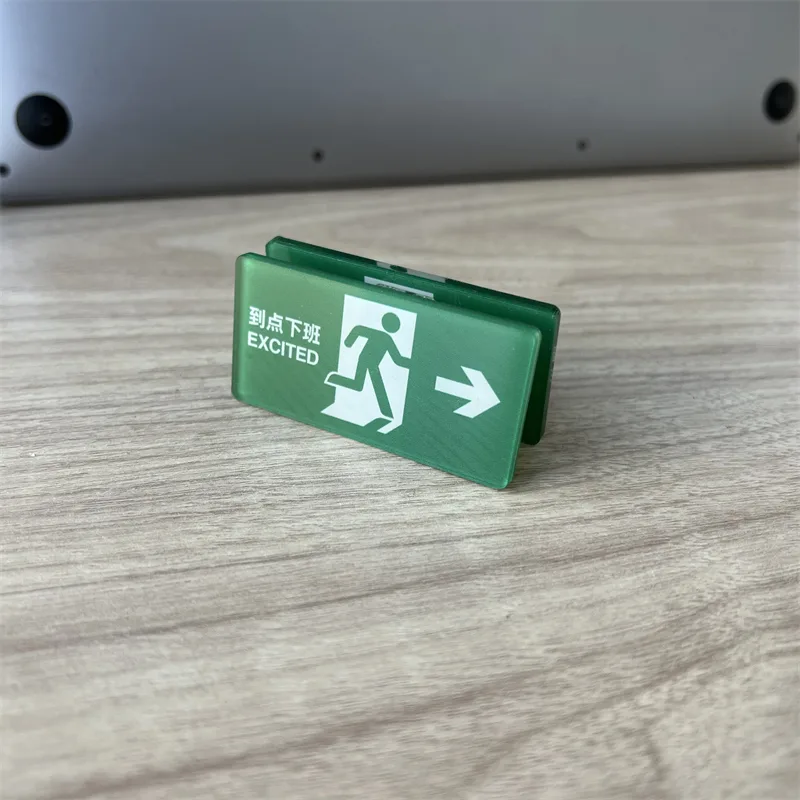
Acrylic Keychains
Cast acrylic, UV printed, cut to your outline. Epoxy, holographic or flat — your call.
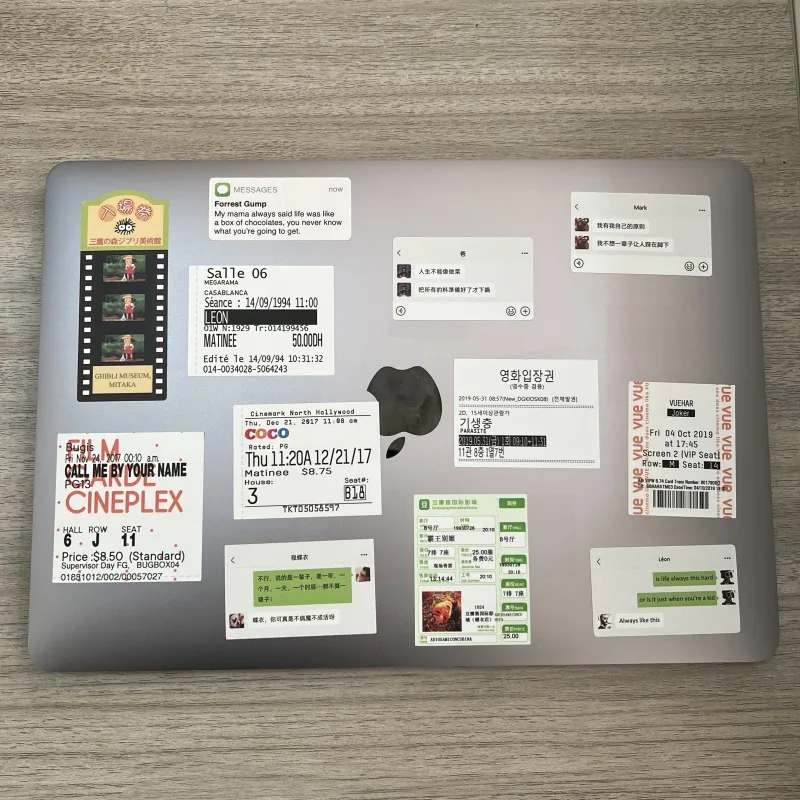
Stickers
Die-cut to your outline or kiss-cut on a sheet. Gloss, matte, holographic or clear.
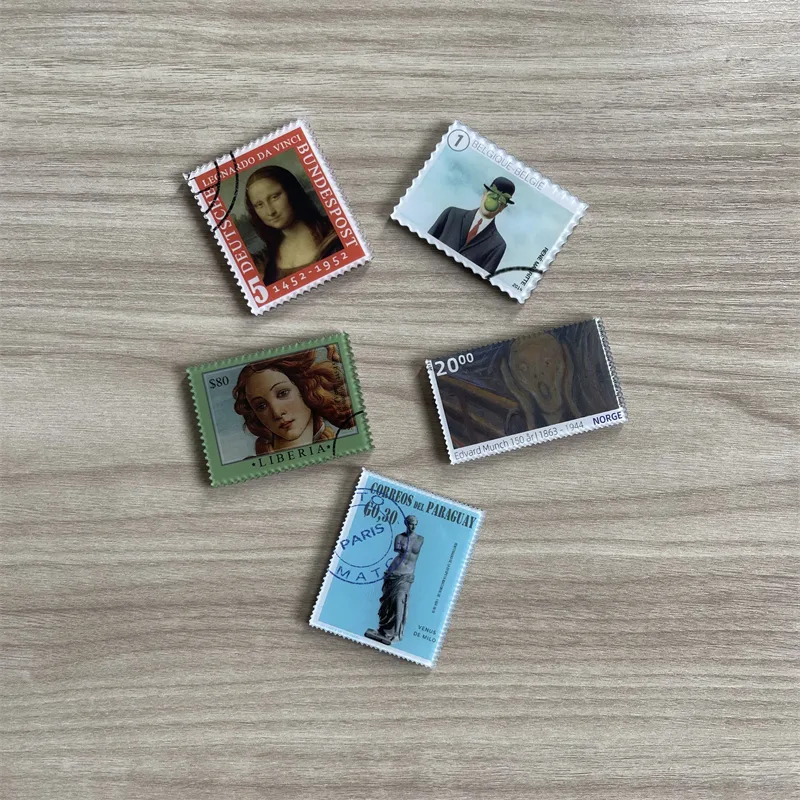
Fridge Magnets
The same artwork, a different object on the shelf. Printed, domed and backed to hold what you need it to hold.
Badges & Pins
Pin-back badges pressed to size. Loud artwork, low unit cost, easy to add to any order.
KEEP READING