
Backing card vs header card: how to design the card your merch is sold on
A backing card sits behind the product; a header card tops the bag. Once you know which card you're ordering, these are the design decisions that decide whether the pack works.
OFFPRESS editorial · Researched against external sources · Stage: First order · 6 Sept 2026
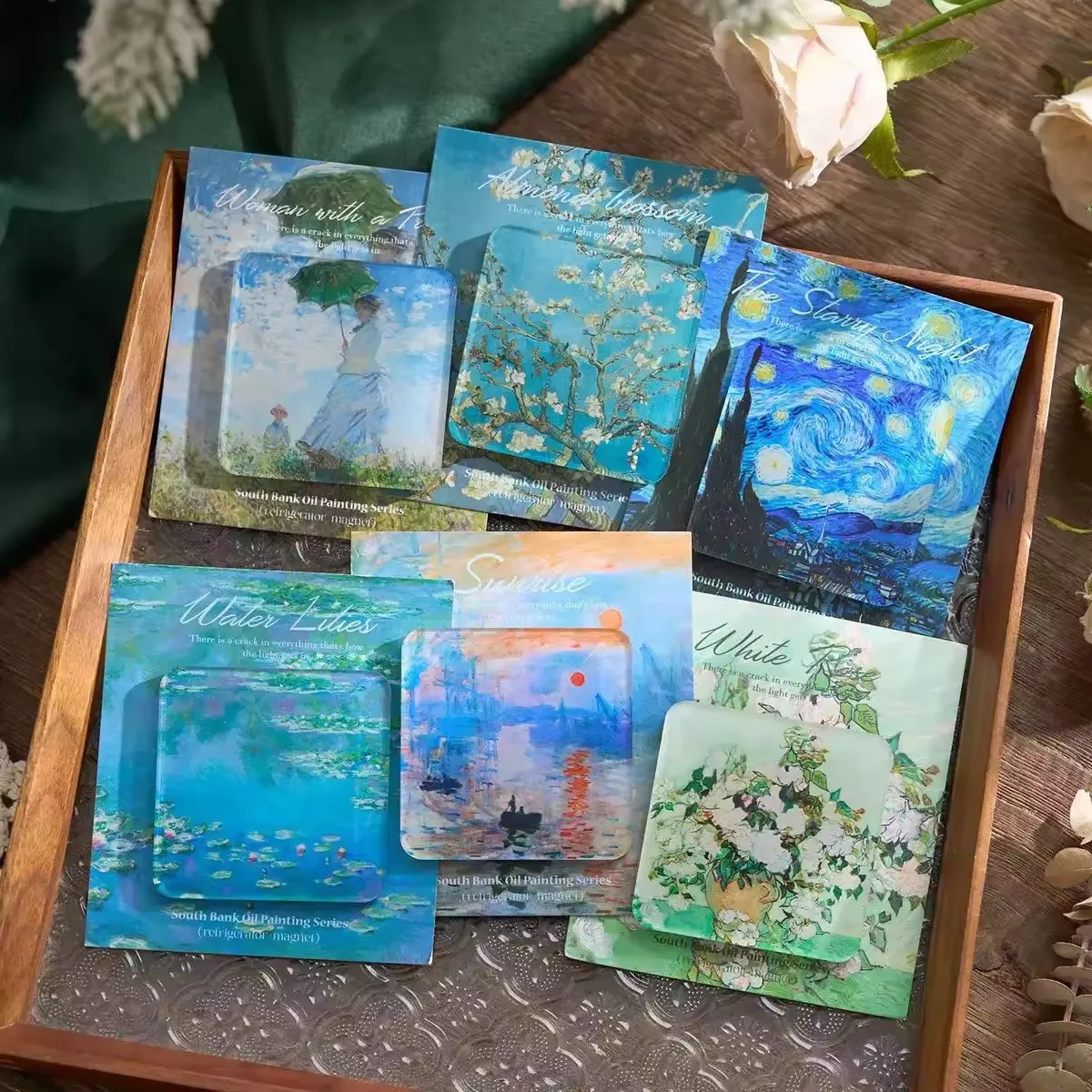
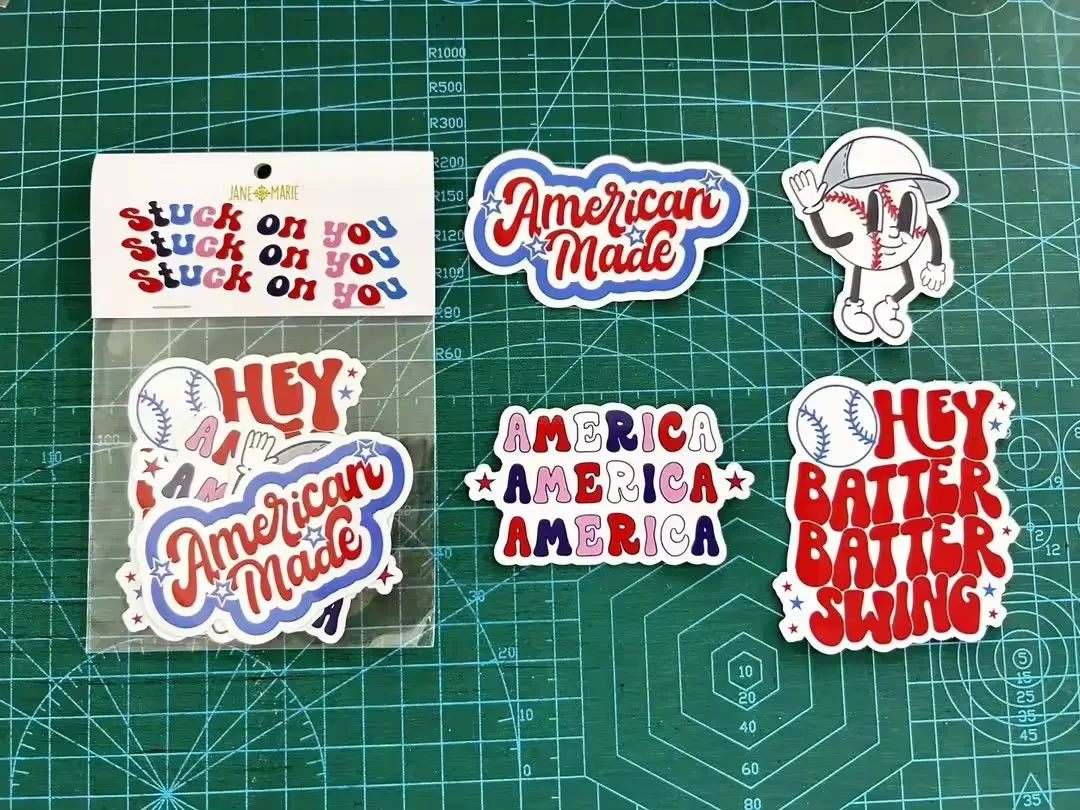
Most card confusion happens before any design work starts — because “card” means two different products. A backing card sits behind your product: keychains, pins, magnets and sticky note pads are mounted onto it, and it becomes part of the displayed unit. A header card sits on top of the bag: sticker packs and other bagged goods get stapled or sealed through it, and it does the branding for a product the bag hides.
The short answer: decide which card you’re ordering first, then design for its actual job. For a backing card, the product is the hero and the card is the stage — size it to frame the product, design around the fixed hardware hole, and use the back. For a header card, the front panel is the whole shelf pitch — brand, count and claim, designed around the fold and the staples. And approve the assembled pack, not the flat card.
The vocabulary, settled
| Term | What it is | Where it sits | Used for |
|---|---|---|---|
| Backing card | Printed card the product is attached to | Behind the product, inside (or behind) the bag | Keychains, enamel pins (“backer card” in the pin trade), magnets, sticky note pads, earrings |
| Header card | Printed card folded over the bag’s top edge and stapled/sealed | On top of the bag | Sticker packs, small bagged goods, anything sold hanging or stacked |
| Hang tag | Loose card attached by string or fastener | Swings free | Not either of the above — a tag labels, it doesn’t present |
Supplier catalogues don’t help: one major acrylic-goods supplier sells the two styles as “back card” and “head card”, Etsy sellers say “display card” or “sticker backing card”, pin makers say “backer card”. All of these are the two jobs above. Use the buyer-facing names — backing card, header card — and you’ll be understood by any supplier.
Designing a backing card
A backing card is a stage, and the product is the performer. The decisions:
1. Size relative to product. The card should frame the product with a visible border — enough room for your name and a margin, not so much that the card dominates or wastes print area. There’s also a mechanical floor: for bag-and-card packs, the card must be wider than the product, or the assembled unit won’t sit right in the bag. In the photo below, each card is only slightly larger than its magnet — the artwork runs to the card edge, and the print still reads.
2. The hardware hole is not a design decision. On production backing cards, the hole that takes the keychain clasp, ball chain or pin post is punched by a fixed die — position and size are set by the supplier’s tooling, and at least one major supplier states plainly that you can’t freely redesign it. Ask where the hole sits (top-centre is typical), then design the card around it: your title above the hole line, artwork below, nothing critical where the hardware will overlap.
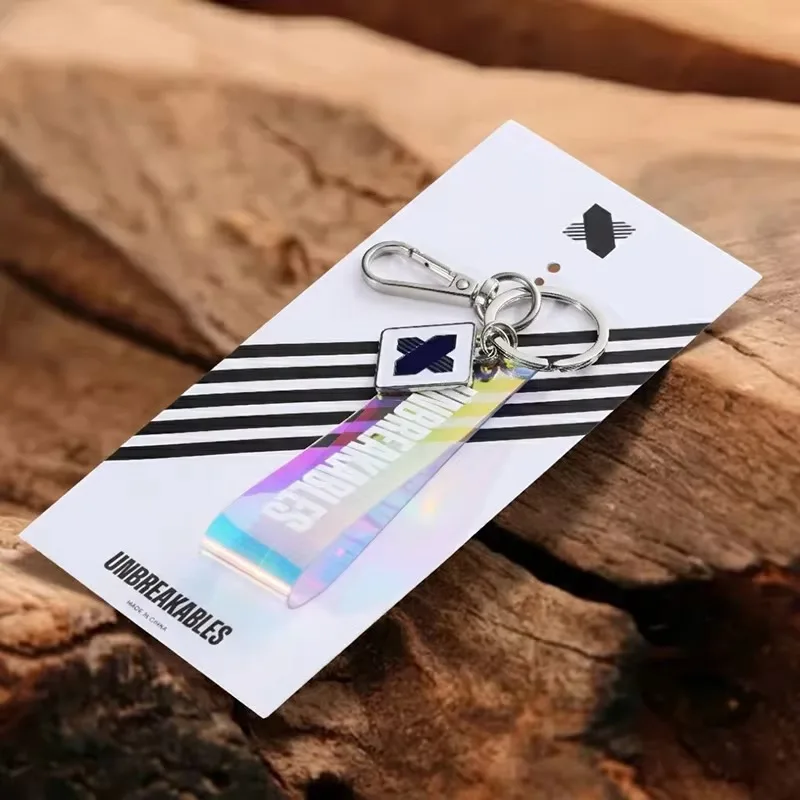
3. Front = name and product. Title or logo where the eye lands first (usually the top third, above the hardware line). The card’s own artwork should support, not compete — the buyer’s eye is on the charm, the card gives it context and your name.
4. Back = the free second side. Double-sided printing is standard on custom backing cards, and the back costs nothing extra to design into the file: care instructions, your social handle or URL, a thank-you line, space for a price sticker or barcode label. Sellers who leave the back blank are leaving a page unused.
5. Hang hole — only if the channel needs it. A backing card can also carry a hang hole for peg display. If it does, the shape matters more than suppliers explain: a round hole is the basic universal punch; a euro slot (two circles joined by a narrow slot) locks onto European-style single-peg hooks; a sombrero hole (the hat-shaped inverted-T) is the hook-agnostic compromise that works on more hook styles. If your merch goes to retail, ask which hook the store runs — or default to sombrero for versatility. If it’s sold at markets or shipped DTC, skip the hole entirely.
6. Sets need a position plan. A card carrying three charms or a pair of earrings is a small layout problem: which item goes where, how they’re spaced, which one overlaps. Sketch it at actual size — the same discipline as checking artwork at actual size.
Designing a header card
A header card’s front panel is the only real estate that matters — it’s what a shopper sees hanging on a peg or stacked on a table.
- Design around the fold and the staples. The card folds over the bag top and gets stapled through; keep critical text clear of the fold line and staple positions.
- State the count. “8 stickers”, “30 sheets” — a bagged product can’t be opened and counted in a shop, so the number goes on the front. This is why sheet and piece counts appear on real packs of every kind.
- The hang hole follows the channel logic from above: round for basic, euro slot or sombrero for pegged retail.
Approve the assembled pack, not the flat card
A flat card proof can be perfect and the pack still wrong. The card sits behind a physical product inside a plastic bag: the hardware overlaps the print, the product shifts, the bag glares under shop lights, the staple pulls. So the approval that matters is the packed unit — card + product + bag, assembled, seen upright and through the bag. This is the same principle as approving what a sample can actually prove: the sample gate is for the spec, and the packed unit is part of the spec.
Briefing the card
One line carries most of it: “backing card, double-sided, [size or ‘size to product’], top-centre hang hole for keychain clasp, qty matches product qty.” Card artwork rides with your product artwork — the artwork preparation rules are identical (it’s printed paper, so bleed and safe area apply to cards too). Packaging formats are quoted with the product per job — tell us which card the merch needs and it goes into the written spec with everything else.
Researched and written by the OFFPRESS editorial desk. General production principles are kept separate from order-specific figures — anything that depends on your job (lead time, sample cost, freight) is marked as confirmed with your quote, not stated as a blanket promise.
SOURCES & FURTHER READING
RELATED PRODUCTS
Acrylic Keychains
Cast acrylic, UV printed, cut to your outline. Epoxy, holographic or flat — your call.
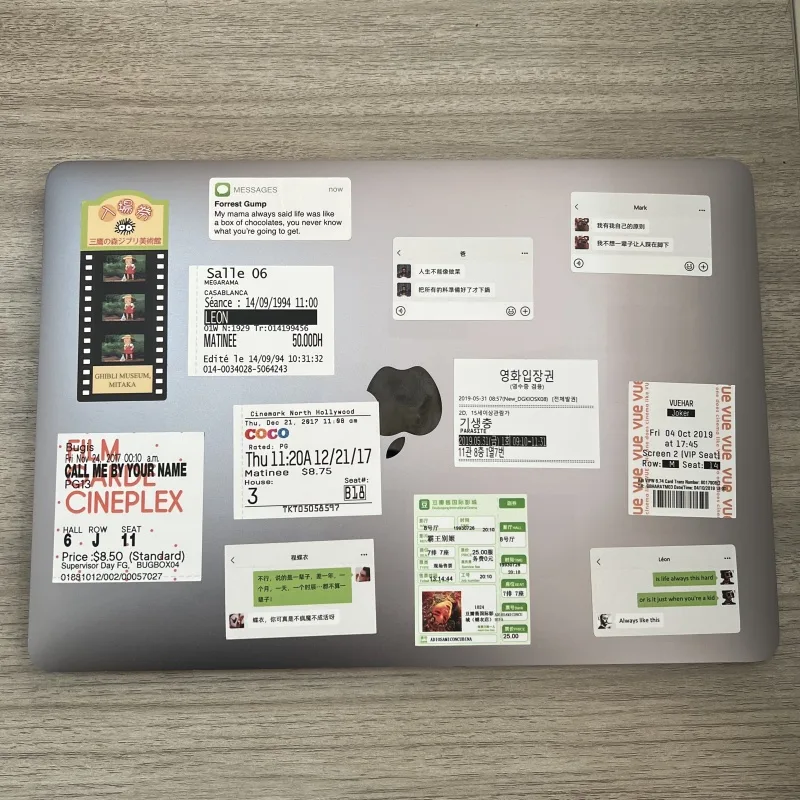
Stickers
Die-cut to your outline or kiss-cut on a sheet. Gloss, matte, holographic or clear.
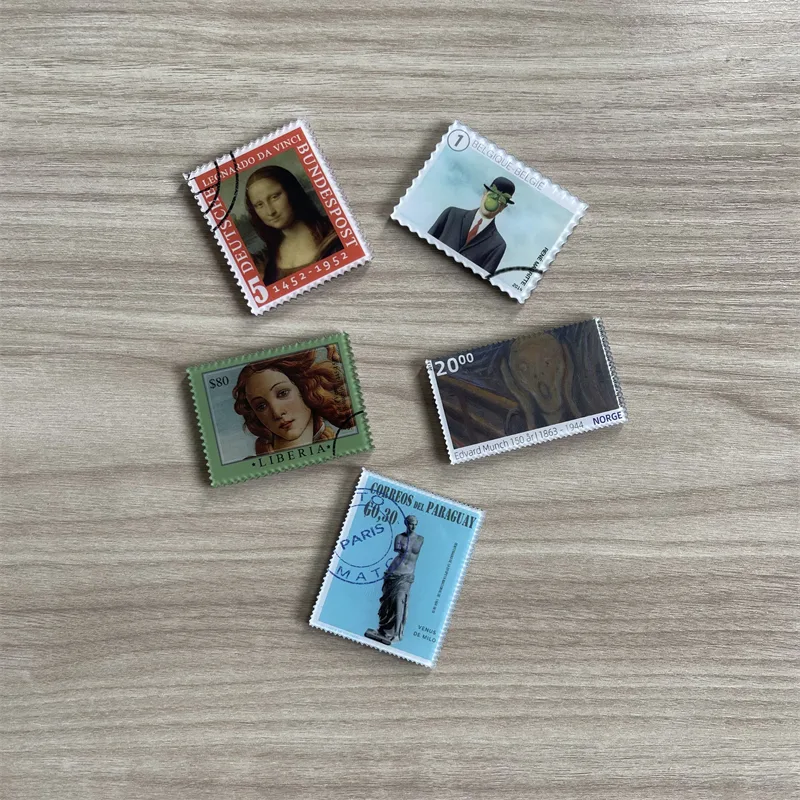
Fridge Magnets
The same artwork, a different object on the shelf. Printed, domed and backed to hold what you need it to hold.
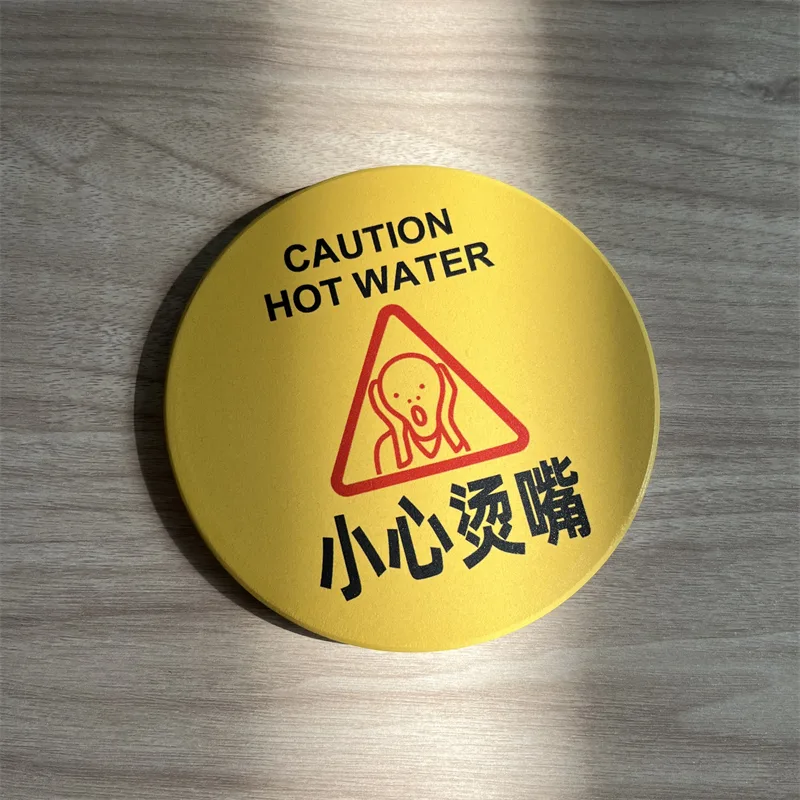
Badges & Pins
Pin-back badges pressed to size. Loud artwork, low unit cost, easy to add to any order.
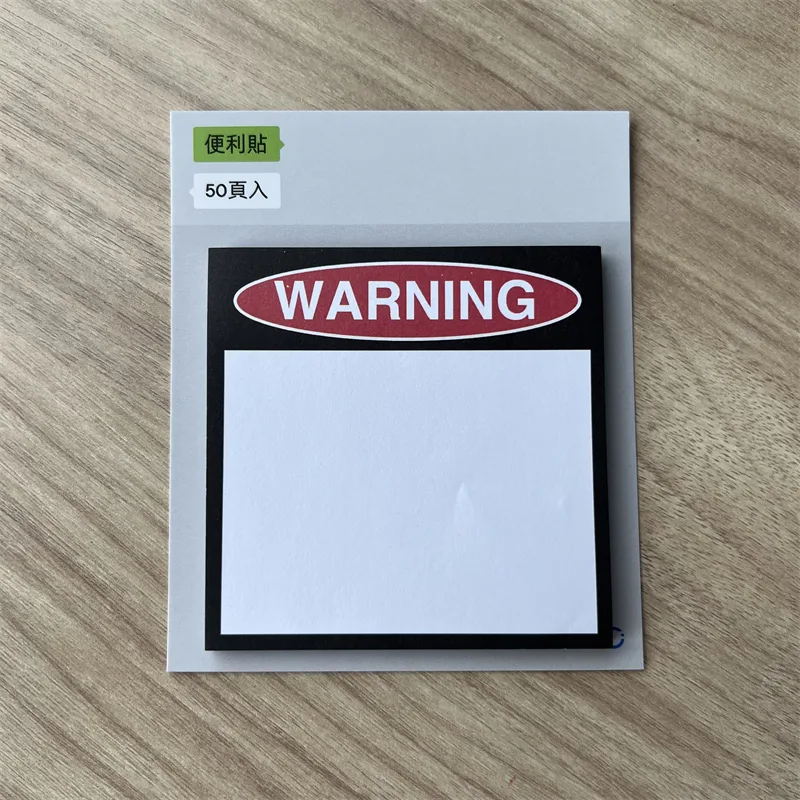
Sticky Notes
Repositionable pads with your artwork on the cover, the edge, or every single sheet.
KEEP READING