
Quality control for small custom merch orders: what to check before it ships
Between the approved sample and the shipped cartons sits the QC gate. What quality control means on a 500-piece order: the golden-sample trap, what QC photos should show, when third-party inspection pays for itself, and the defect rule to settle before production.
OFFPRESS editorial · Researched against external sources · Stage: First order · 6 Sept 2026
Sample approved. Deposit paid. Production started. Everything you’ve checked so far was checked on one piece — and the order you’re paying for is hundreds. The stretch between an approved sample and a dispatched carton is where quality is actually won or lost, and it’s the stage small buyers think about least.
The short answer: pre-shipment quality control means checking the finished run against two references — your written spec sheet and the approved sample — before it leaves the factory. For a small order, the practical gate is: a frozen spec, a golden-sample discipline, photos of the actual run, a defect rule agreed in advance, and — only sometimes — a paid third-party inspection.
The golden-sample trap
Quality-inspection practitioners have a name for the most common sample failure: the golden sample — a piece made carefully, sometimes by the factory’s best hands, sometimes with better material, specifically to win the order. It’s real, it’s beautiful, and mass production will not look like it unless the factory deliberately makes it so. (Sources: QualityInspection.org on golden samples; Komaspec’s list of common China-manufacturing mistakes.)
The defenses are unglamorous and effective:
- Ask that bulk production be made to the same spec as the sample, not “like the sample” — same material batch type, same ink/finish process, same construction steps.
- Keep the approved sample as the physical reference. Your reorder consistency later depends on exactly this reference (see reordering a design that sold).
- Put the reference in writing: the spec sheet describes the sample; the sample embodies the spec. The bulk run is checked against both.
The QC gate, stage by stage
| Gate | When | What gets checked | Who does it |
|---|---|---|---|
| Spec freeze | Before production release | Material, size, colour refs, finish, attachments, packaging — all written, all agreed | You + supplier |
| Sample approval | Before production | Colour, cut, finish, construction on a real piece | You (checklist) |
| During-production checks | Mid-run | First pieces off the line vs the sample — catches problems while they’re still cheap | Supplier (or your inspector) |
| Pre-shipment QC | Before dispatch | The finished run, sampled against spec + sample; packed goods counted and checked | Supplier — and you verify |
| Arrival check | On delivery | Carton condition, quantities, random opening, packed-unit check | You (arrival checklist) |
The middle gates are where buyers have the least visibility. That’s what the next three sections are for.
What QC photos should show
If your supplier offers pre-dispatch QC photos — we send them as standard practice before every dispatch — treat them as a gate to pass, not a formality to skim. A photo set worth having shows:
- The actual run, not the sample: pieces straight from production cartons.
- Quantity and packing: cartons sealed/stacked, pack units visible (card + bag + product assembled as agreed — the packed unit is a spec).
- The failure modes your format actually has: dome bubbles and edge chips on epoxy keychains, cut-line wander and colour banding on stickers, magnet adhesion and scratches on magnets, pin-back alignment on badges, glue and sheet alignment on sticky-note pads.
- Close-ups against the reference: the same view as the approved sample, side by side if possible, so the comparison is one glance, not a memory test.
What photos can’t do: prove what the pieces do (magnet strength, adhesive feel, clasp durability) or cover every unit. Photos reduce risk; they don’t eliminate it. That’s what the defect rule is for.
Third-party inspection: when it pays on a small order
Independent inspection companies will check your goods at the factory before dispatch. The cost model is per man-day — industry sources put it around US$150–350 per day all-in for a standard pre-shipment inspection in China, and a single inspector-day covers most small orders. (Sources: Testcoo’s inspection-company survey; JingSourcing’s inspection-company comparison; AQIS cost guide.)
The math for a 500-piece order: a $250 inspection is about $0.50 per unit. Whether that’s worth it depends on three questions:
- Is the order big enough for the fee to matter but the goods valuable enough for defects to hurt? (A $300 order usually isn’t; a $5,000 first order with a new supplier might be.)
- Is there a hard deadline or a customer downstream? Convention stock and wholesale commitments raise the cost of a bad batch arriving.
- Has this supplier-run-format combination proven itself? First order with a new supplier on a new format is the classic case for inspection; the fourth reorder from a proven line is the classic case against.
On most small merch orders the honest answer is: a disciplined supplier QC process plus good photos plus a written defect rule gets you most of the protection at none of the cost — and inspection is the tool you keep in your pocket for the order where failure is expensive.
Settle the defect rule before production, not after
The worst time to discuss defects is when you’re looking at one. Before production, agree in writing:
- What counts as a defect for your format: scratches, colour off versus the approved sample, dome bubbles, cut errors, dead clasps, misaligned backs, print missing.
- What the remedy is: remake of defective pieces, discount, or return — and who pays freight in each case.
- How many is too many: big importers use statistical sampling standards (AQL, based on ISO 2859) to formalize this; for a small order, a simple written threshold — “more than X defective pieces in the run triggers remake or discount” — usually does the same job in one sentence.
This is a supplier-selection question as much as a QC question: how a company answers “what happens if the bulk doesn’t match the sample?” before you’ve paid tells you how it will behave when it happens. We put what we commit to in writing with the quote — spec sheet and sample reference before any deposit, QC photos before dispatch — and we’d rather settle what counts as a defect while it’s still hypothetical.
The natural next step
The QC gate is one of three gates that make a first order safe. Build it into your brief from the start: what to send a supplier for an accurate quote gets the spec frozen, approve the sample properly before production, and plan the arrival check for the other end. Then send the quote.
Researched and written by the OFFPRESS editorial desk. General production principles are kept separate from order-specific figures — anything that depends on your job (lead time, sample cost, freight) is marked as confirmed with your quote, not stated as a blanket promise.
SOURCES & FURTHER READING
- qualityinspection.org — What To Do With Samples From Chinese Suppliers
- komaspec.com — Mistakes When Manufacturing In China
- jingsourcing.com — B Inspection Company In China
- testcoo.com — Top 30 Third Party Inspection Companies In China You Can Trust
- aqiservice.com — Comprehensive Guide To Quality Inspection Costs
- guidedimports.com — Types Quality Inspection Asia
RELATED PRODUCTS
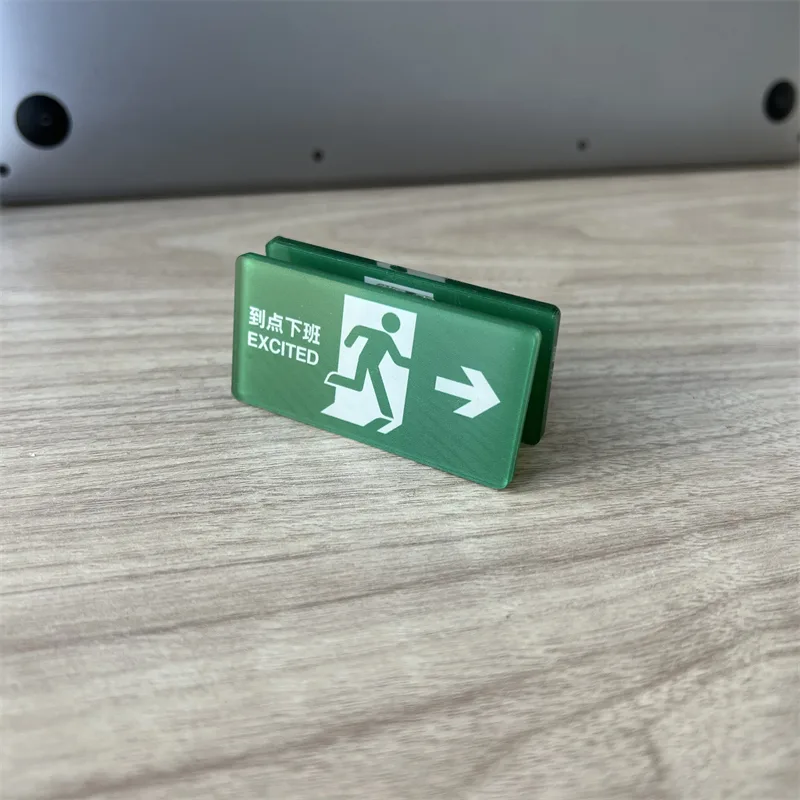
Acrylic Keychains
Cast acrylic, UV printed, cut to your outline. Epoxy, holographic or flat — your call.
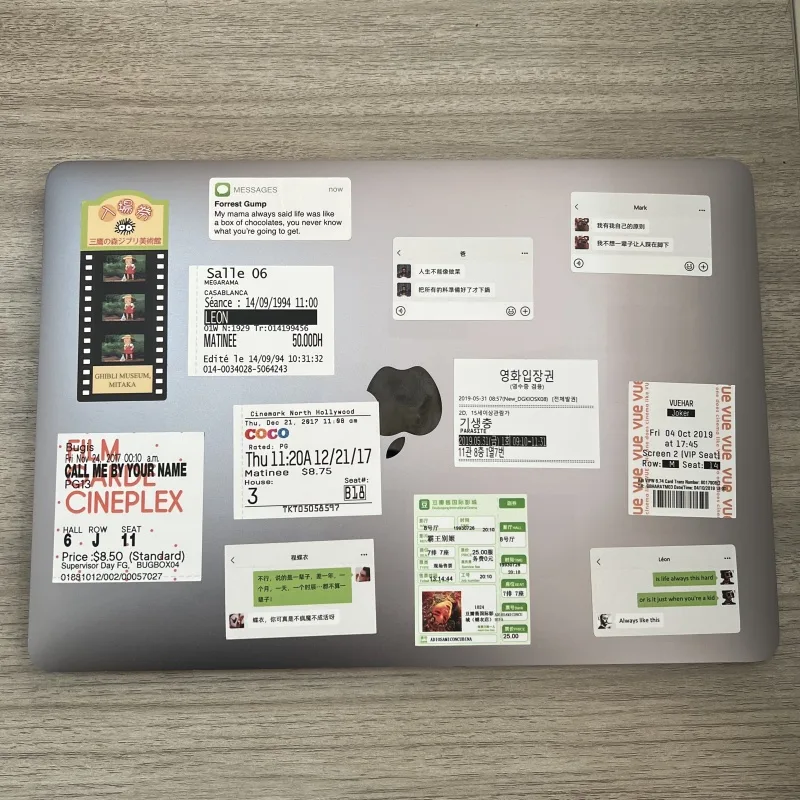
Stickers
Die-cut to your outline or kiss-cut on a sheet. Gloss, matte, holographic or clear.
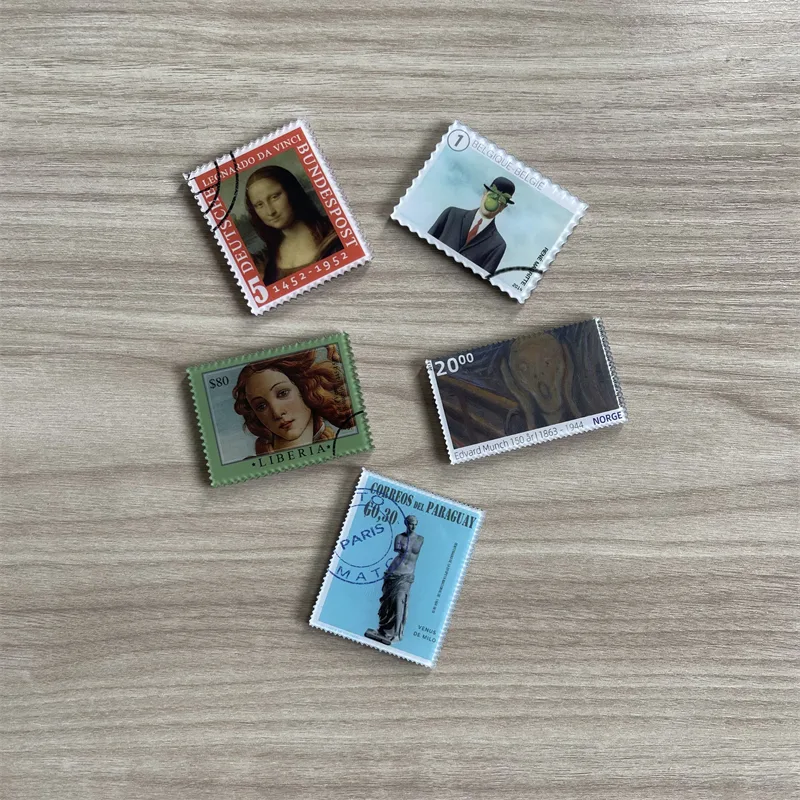
Fridge Magnets
The same artwork, a different object on the shelf. Printed, domed and backed to hold what you need it to hold.
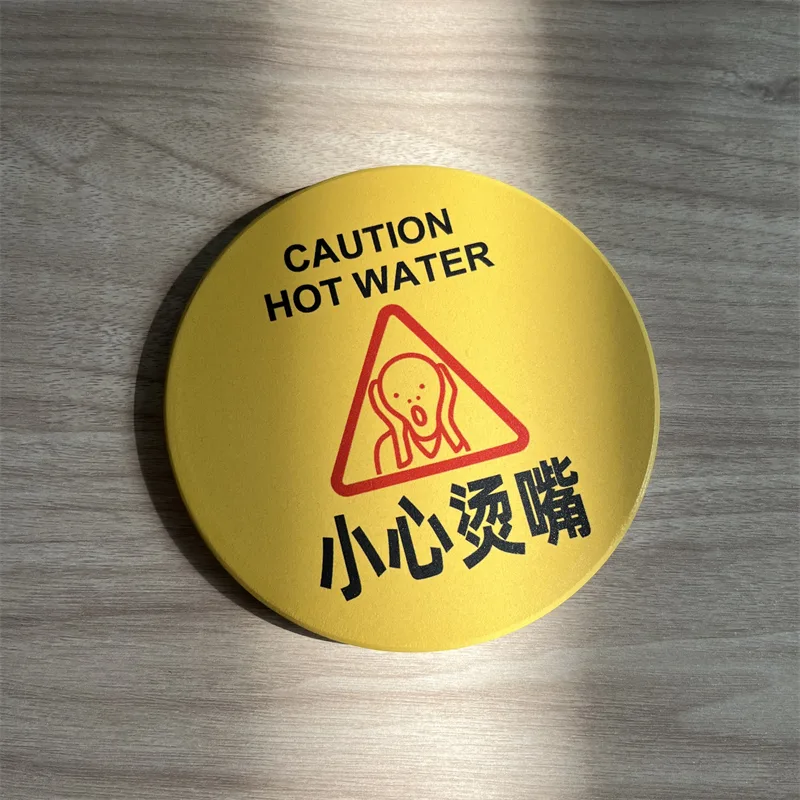
Badges & Pins
Pin-back badges pressed to size. Loud artwork, low unit cost, easy to add to any order.
Sticky Notes
Repositionable pads with your artwork on the cover, the edge, or every single sheet.
KEEP READING