
Which custom merch format fits your artwork?
Match the traits of your artwork — fine detail, silhouette, transparency, text load, how it's used and displayed — to the physical format that will carry them: acrylic keychains, stickers, fridge magnets, badges or sticky notes.
OFFPRESS editorial · Researched against external sources · Stage: Exploring products · 2 Sept 2026
The format question is an artwork question in disguise. Acrylic keychains, stickers, fridge magnets, badges and sticky notes are not five versions of the same surface — each one physically changes what your design can show, at what size, and for how long it keeps working. So the first question is not “which is cheapest” but what your artwork needs to survive.
The short answer: match the dominant trait of your artwork to the format that handles it. Fine detail and text want the largest readable print area and a calm finish; a silhouette that is the design wants a cut-out shape or clear acrylic; transparency is a feature only on clear bases; and “where this lives” decides between hanging hardware, magnetic backs and peel-and-stick. Everything below is that matching, one table at a time.
The artwork trait × format table
Read it as: if your design is mostly this — here is how each format will treat it.
| Artwork trait | Acrylic keychain | Sticker | Fridge magnet | Badge | Sticky note |
|---|---|---|---|---|---|
| Fine detail | Survives at a good print size, but the canvas is small — detail dies under ~50 mm | Best canvas of the five; the finish you choose can still bury it | Good canvas, but the print sits on a flexible base that can show brush strokes | Smallest canvas of the five; detail rarely survives | Fixed print zones; sheets are repeatable, not large |
| Text-heavy | Text is liveable if you size for it — mock it at final size first | Vanilla: text reads well on a calm finish; effect finishes hide it | Fine, but a fridge is read from arm’s length — big words, few of them | Text floors are tight; one or two words, not a paragraph | Great for a repeating message; bad for a long one |
| Silhouette / shape | The cut-out is the design; clear bases keep the shape the star | Die-cut or kiss-cut gives any outline; fragile shapes belong on a sheet | Shape is usually a rounded rectangle; silhouette isn’t the job | Round or a few presets — silhouette is restrained | The pad shape is fixed |
| Transparency | Clear acrylic + white ink is the whole art form | Clear vinyl gives a no-border look, but needs a print built for it | Transparent magnets exist, but the magnetic back limits the look | No meaningful transparency | No transparency |
| Display / use behaviour | Hangs: on bags, keys, convention tables | Lives: on laptops, bottles, packaging | Holds: the back is the product — what it holds decides the spec | Wears: on lapels, bags, as a pin board piece | Sits: on desks, in planners |
The two columns that deserve a second look are the small canvas ones. Keychains and badges are sold at a scale where a full scene collapses into a thumbnail; stickers and magnets give you a surface you can actually read. If your design is a dense illustration, the honest answer may be “sticker or magnet for the detail version, keychain for the icon version” — that’s normal, and it’s exactly the kind of split covered in one design across several products.
What each format physically does to artwork
- Acrylic keychains — the smallest practical canvas (~25–75 mm at standard thickness; see keychain options). Clear bases need a white underbase where colour must be opaque (white ink on clear acrylic); epoxy or effect bases add depth and gloss that flatter bold art and muddy fine lines. The charm is also a shape: the cut-out becomes part of the design.
- Stickers — the most forgiving canvas: any outline via die-cut or kiss-cut, and finishes from matte to holographic. The catch is finish: effect laminates are spectacular with bold shapes and hide exactly what tiny text needs (sticker options). Because laminated gloss reflects, you also choose where glare falls — a laptop lid is read at many angles.
- Fridge magnets — the print surface is real, but the back is the point. A flexible magnet holds only what the steel behind it can support — the same spec that carries a photo may not carry a folded poster, so “what must it hold” is a design input, not a footnote (magnet strength). Magnets also get read at kitchen distance: bold, few words, strong silhouettes do the work.
- Badges — the canvas is smallest and the process is most reductive: a printed paper insert pressed under clear film at badge scale rewards one strong mark, not a scene (badge sizes and backs). If your art is a detailed illustration, a badge is usually a symbol of it, not its home.
- Sticky notes — the interesting constraint is that the print zone is a fixed area, not a full-page canvas: cover and inner sheet zones are set by the pad construction, not by your art (sticky note print areas). Sticky notes are about a message that repeats across sheets, not a single hero artwork.
The three questions that settle it
- What must survive? The one thing your design does best. A punchy silhouette needs a cut-out shape; a text gag needs readable words; a scene needs surface area. Everything else is negotiable.
- Where does it live? Hanging on a keychain, stuck to a laptop, holding a photo on a fridge, worn on a backpack, sitting on a desk. The environment decides size, finish, and whether the back matters.
- What is the smallest text? If the design says something, mock it at final physical size before deciding — it’s a five-minute check and it kills more bad format choices than any discussion (the actual-size test).
If two formats score equally, break the tie on use, not on art: a magnet gets read daily on the fridge; a badge gets worn to the convention once; a sticker gets handed out by the sheet. Formats are different jobs.
One boundary worth stating: this page deliberately answers the artwork-fit question, not the money question — “which format is cheapest” is a different decision with a different table. If budget and risk are what’s driving your first launch, the cost-and-risk breakdown by format lives in what your first merch product actually costs.
Once the format is settled, the per-product decision guides above take over — each product page also lists its own “before you order” questions. And if the trade-off is genuinely close, say so when you send the artwork: one sentence (“dome vs flat on a magnet?”) gets a straight answer against your real size and quantity, before you spend anything.
Researched and written by the OFFPRESS editorial desk. General production principles are kept separate from order-specific figures — anything that depends on your job (lead time, sample cost, freight) is marked as confirmed with your quote, not stated as a blanket promise.
RELATED PRODUCTS
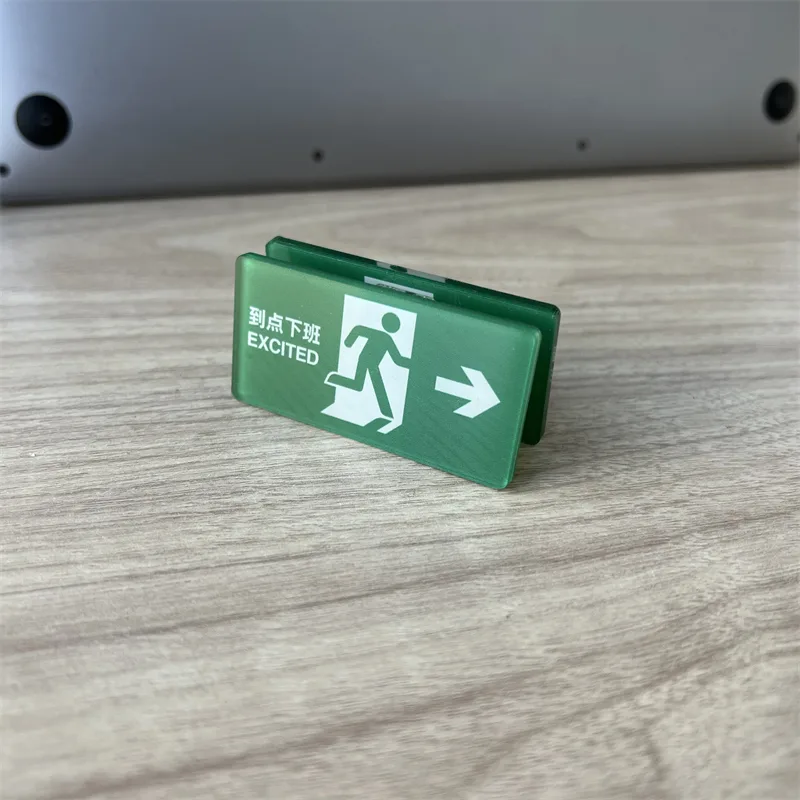
Acrylic Keychains
Cast acrylic, UV printed, cut to your outline. Epoxy, holographic or flat — your call.
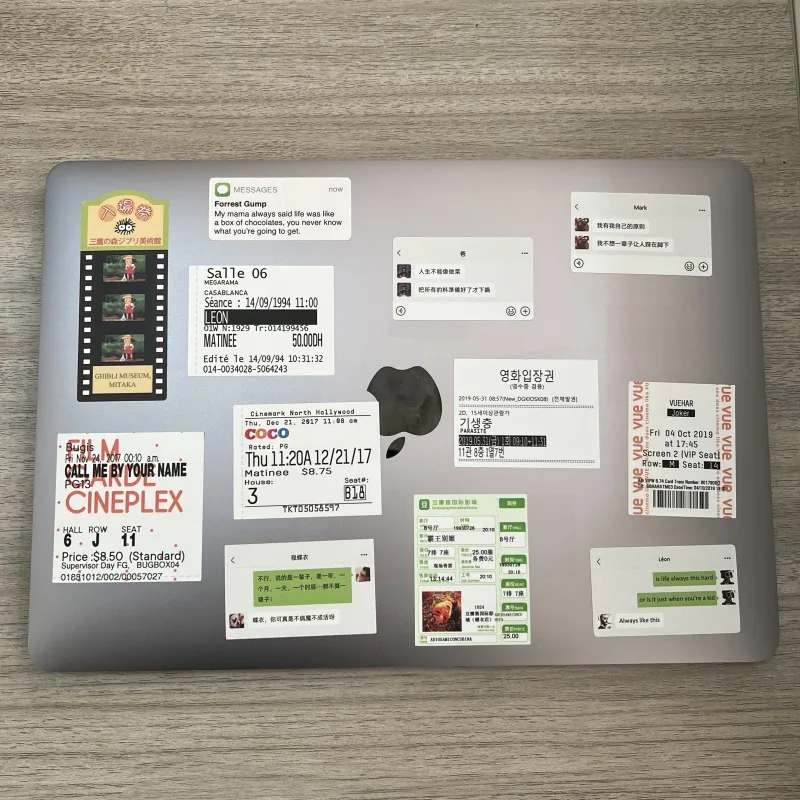
Stickers
Die-cut to your outline or kiss-cut on a sheet. Gloss, matte, holographic or clear.
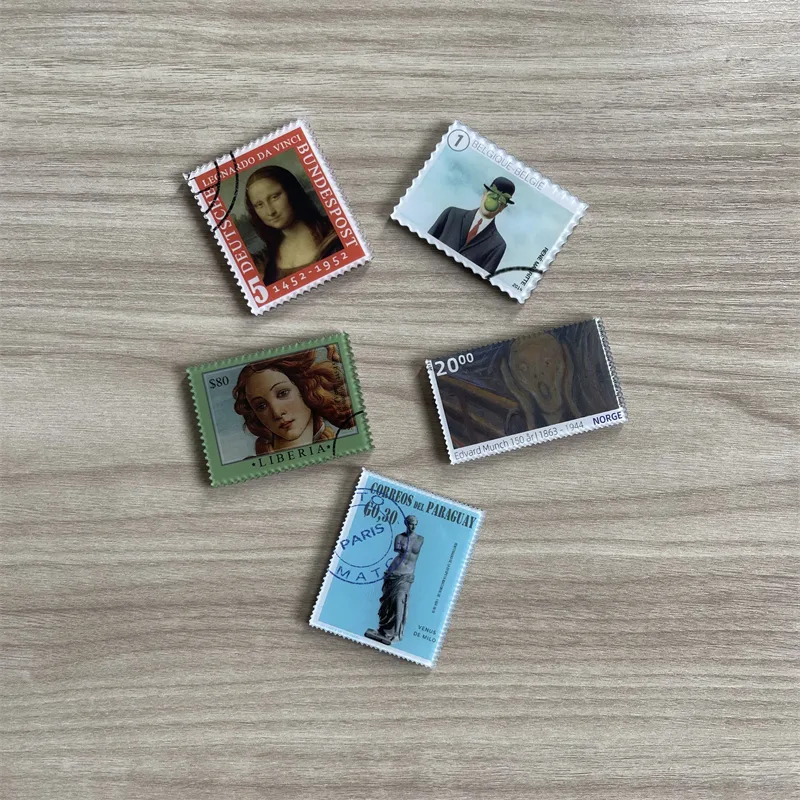
Fridge Magnets
The same artwork, a different object on the shelf. Printed, domed and backed to hold what you need it to hold.
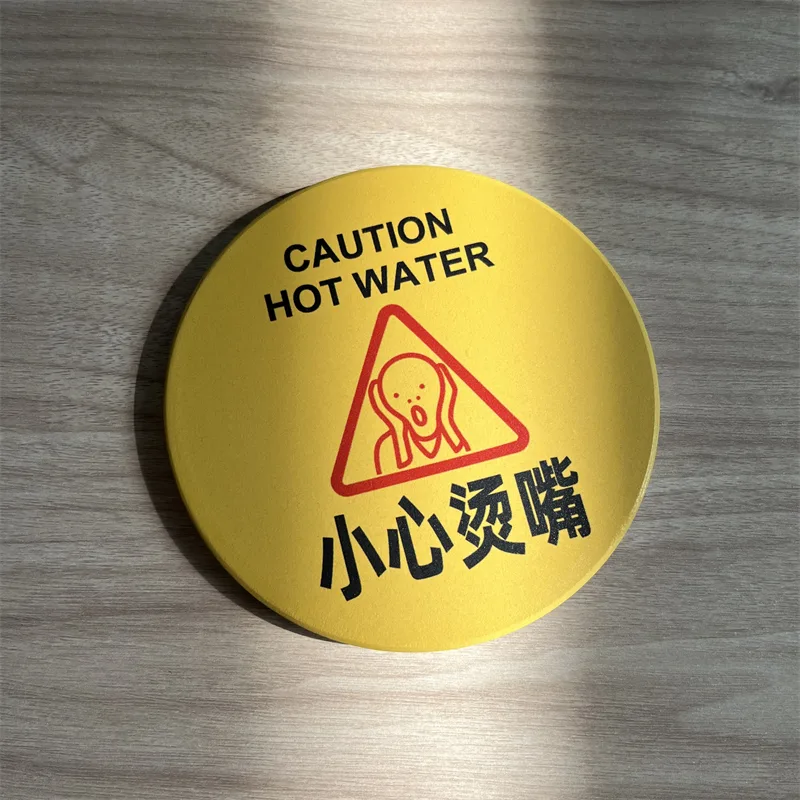
Badges & Pins
Pin-back badges pressed to size. Loud artwork, low unit cost, easy to add to any order.
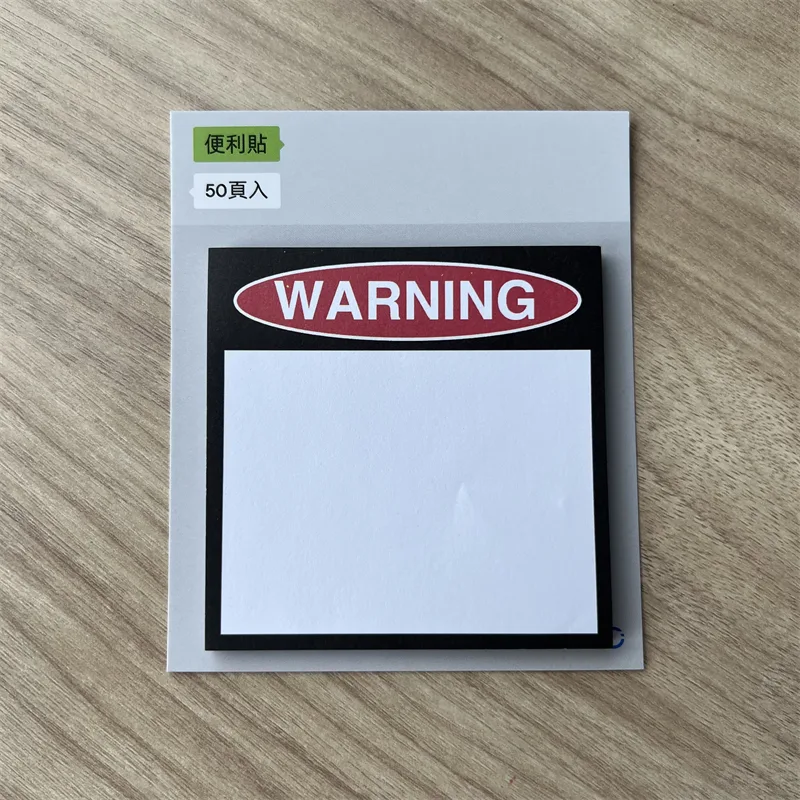
Sticky Notes
Repositionable pads with your artwork on the cover, the edge, or every single sheet.
KEEP READING