
MOQ vs unit price: what actually changes when you order more
Why unit price falls with quantity, which costs are real and which are padding, and how to decide the total commitment you can actually sell through — without a spreadsheet full of guesses.
OFFPRESS editorial · Researched against external sources · Stage: First order · 2 Sept 2026
Every merch buyer meets the same curve early: 100 pieces cost noticeably more per piece than 500, which cost more per piece than 1,000. The shape of that curve is real — but it gets used both honestly and dishonestly. Here’s what’s actually inside it.
Why unit price falls with quantity
A production run carries costs that barely change with quantity: preparing files and cut lines, setting up printing plates or fixtures, calibrating colour to your approved sample, and changeover time on the machines. Those setup costs get divided across however many pieces you order.
- At 100 pcs, setup might be a visible share of your unit price.
- At 500 pcs, the same setup is spread five times thinner.
- At 1,000, material and process time dominate — and the curve starts to flatten, because setup no longer matters and material only discounts in steps.
That’s the honest version. What it means for you: the biggest relative jump is usually the first one — going from a tiny run to a few hundred often improves unit price more than going from 500 to 1,000.
What MOQ actually is (and isn’t)
MOQ — minimum order quantity — is a policy line, not a law of physics. Suppliers set it where small runs stop being worth the changeover: below it, the setup cost per piece makes the order unprofitable or the price per piece embarrassingly high.
Three things buyers should know:
- MOQ is often per order, not per design. A 500-piece MOQ that allows mixing 5 designs at 100 each is a very different animal from 500 of one design. Always ask which one you’re being quoted.
- MOQ is negotiable at a price. Under-MOQ runs happen all the time — the unit price simply rises to cover the setup. That trade is sometimes worth it (a test run) and sometimes not (your 40th batch).
- Some suppliers publish no MOQ at all and profit on the higher unit price instead. The MOQ didn’t disappear — it turned into a premium per piece. Neither model is wrong; compare the total cost at your real quantity.
The decision that matters: total commitment, not unit price
The unit-price table makes 1,000 pcs look like the smart buy. The question that matters is different: can you sell 1,000?
The honest way to decide is to work backwards from your own sales reality — how many you sold of similar products, at similar events or in similar periods — rather than forwards from the per-piece price. Unsold inventory doesn’t care how good its unit price was.
A rough decision pattern that holds up:
| Your situation | What usually makes sense |
|---|---|
| First order with a new design or supplier | The smallest run that is still a real run — enough pieces to judge consistency, cheap enough to walk away from. |
| A design that has sold through once | A reorder sized on actual sell-through, with the unit-price curve as a bonus, not a target. |
| A proven line, stable demand | Now chase the curve — this is where 500 vs 1,000 pricing earns its keep. |
For how to split quantities when you have many designs at once, see planning quantities across multiple designs; for what to do when a design has already proven itself, see planning a reorder.
How to keep suppliers honest on the curve
Ask for unit price at three quantities on every quote — say 100 / 300 / 500 — and watch two things:
- The first step. A tiny drop from 100→300 means setup wasn’t the real story; be more suspicious of the 1,000-piece pitch.
- The breaks. Prices move in stairs, not slides. Knowing where the next stair is tells you exactly which quantity is “smart” for your budget.
There is no fixed minimum order quantity here — we quote the quantity you need, and smaller quantities simply price higher per piece, because the same setup is spread across fewer pieces. That trade-off never disappears; a supplier without a minimum just moves it from a gate into the price. We put the numbers in the written quote rather than arguing policy.
The price curve is only the production half of the money. What it costs to get the finished order to your door — freight, duties, taxes, brokerage — is its own decision layer: see landed cost for custom merch.
The one-sentence version
Unit price rewards commitment; total cost punishes over-commitment. Decide the quantity you can sell first, then let the price curve shape the last 20% — never the first 80% of that decision.
Researched and written by the OFFPRESS editorial desk. General production principles are kept separate from order-specific figures — anything that depends on your job (lead time, sample cost, freight) is marked as confirmed with your quote, not stated as a blanket promise.
SOURCES & FURTHER READING
RELATED PRODUCTS
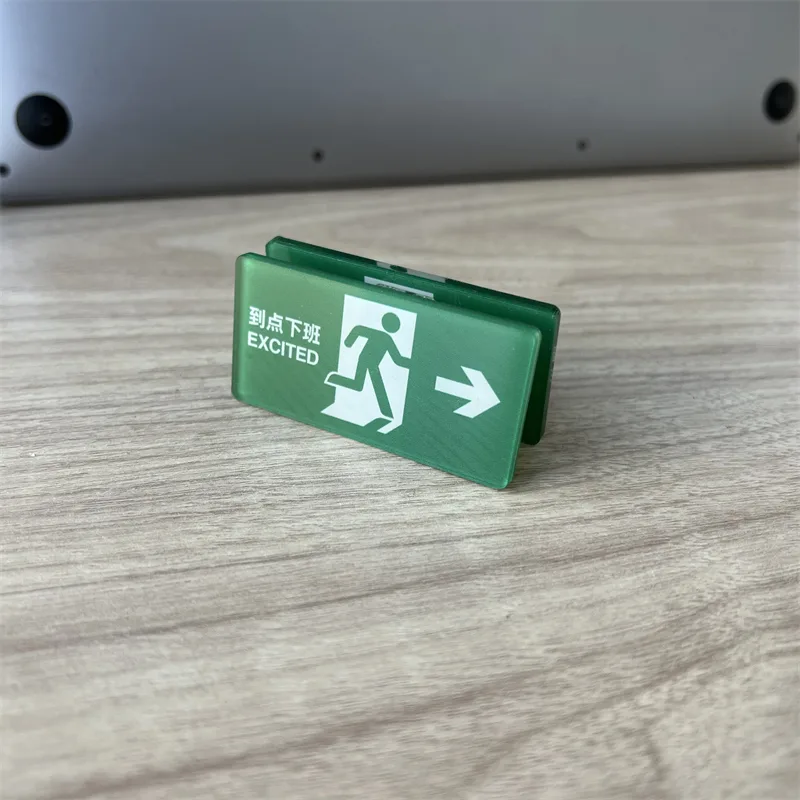
Acrylic Keychains
Cast acrylic, UV printed, cut to your outline. Epoxy, holographic or flat — your call.
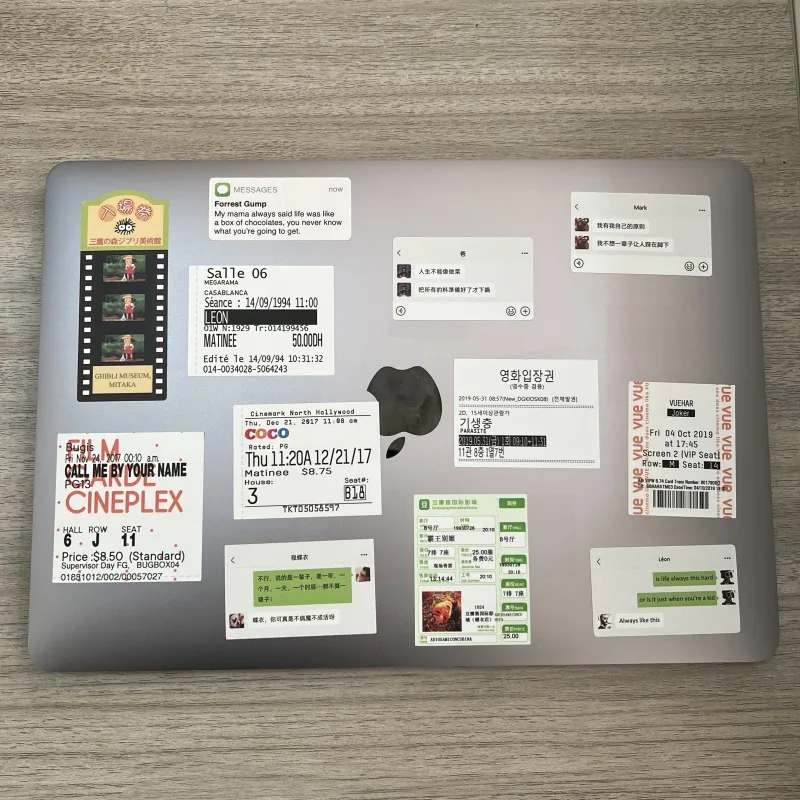
Stickers
Die-cut to your outline or kiss-cut on a sheet. Gloss, matte, holographic or clear.
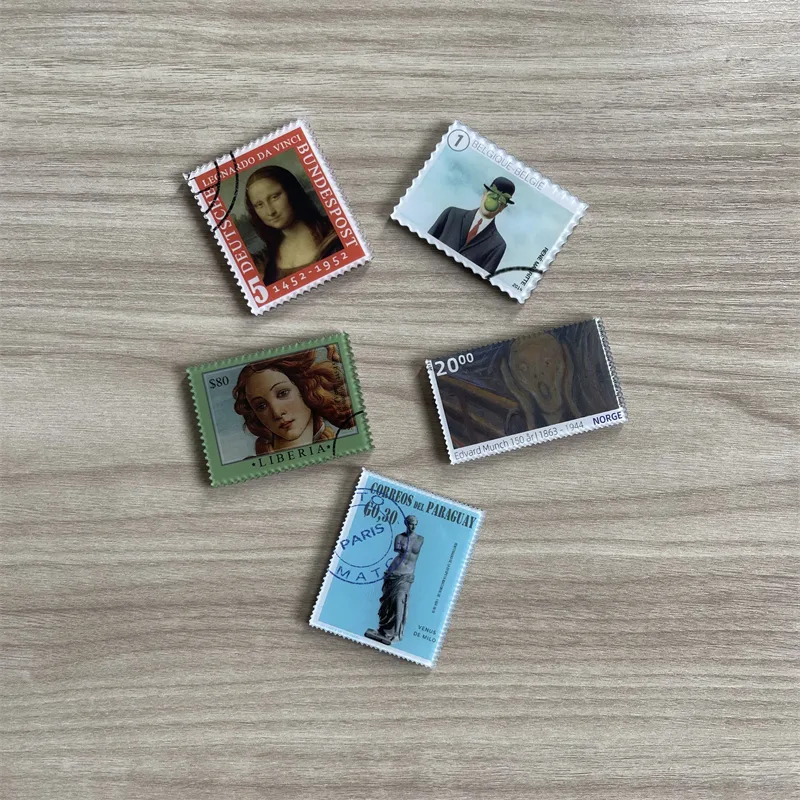
Fridge Magnets
The same artwork, a different object on the shelf. Printed, domed and backed to hold what you need it to hold.

Badges & Pins
Pin-back badges pressed to size. Loud artwork, low unit cost, easy to add to any order.
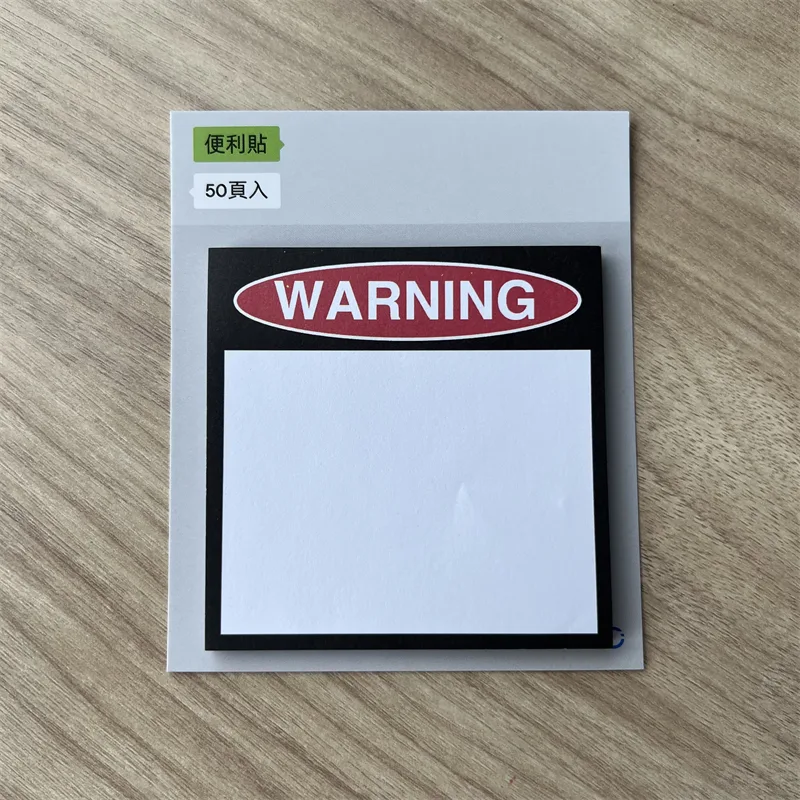
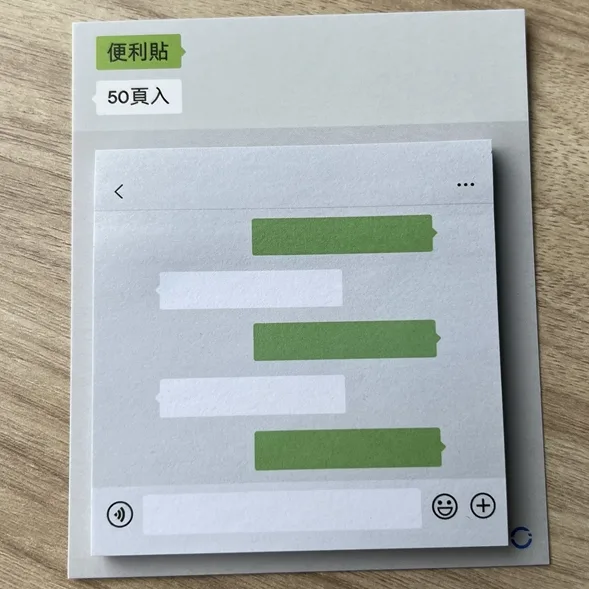
Sticky Notes
Repositionable pads with your artwork on the cover, the edge, or every single sheet.
KEEP READING