What makes a good first physical product business? Start with the cost of being wrong
A first-hand, risk-first framework for choosing a physical product business: cash at risk, SKU complexity, logistics, buyer access and speed to learn.
Alex, founder · Written from first-hand experience · Stage: Costs, timing & shipping · 24 Sept 2026
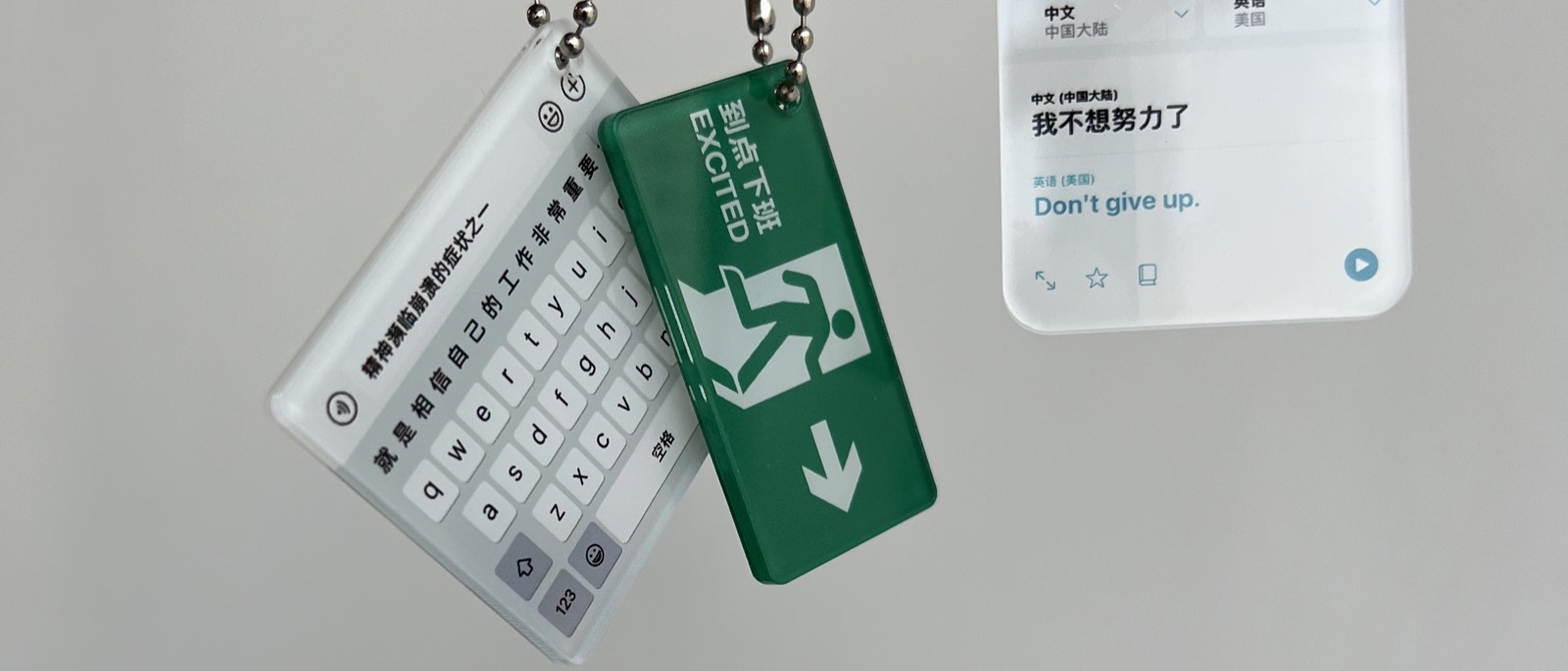
I have worked around several very different physical-product businesses: rope and hardware supply, small acrylic merchandise, solar EPC projects, and apparel. From the outside they can all look like the same thing — find a product, find a supplier, sell it for more than it costs.
They are not the same business at all.
The short answer: a good first physical product business is one where you can be wrong cheaply, learn quickly, and try again. Low startup cost helps, but it is only one part of the test. SKU complexity, supplier dependencies, seasonality, shelf life, logistics, regulation, buyer access and the time between a decision and real market feedback can matter just as much.
That is a different question from “what product has the highest margin?” or “what is cheapest to manufacture?”
For a first business, I would ask something more basic:
If my first assumption is wrong, how much money, time and operational complexity have I already committed?
This page compares whole business models: route to market, operational dependencies and speed of learning. If you already know you are building a creator-merch line and only need to choose between stickers, keychains, magnets, badges or sticky notes, the narrower first-merch cost-and-risk guide starts one decision later.
A product is not the business
A physical product can be extremely simple while the business around it is difficult.
Rope is a good example. The product is durable. It does not have fashion sizing. It does not expire quickly. It can be technically straightforward compared with a jacket or an engineered system.
But much of the real business I saw around rope and hardware products ran through supermarkets, hardware retailers, importers, trading companies and professional buyers. The hard part was not always “can this product be made?” The hard part was getting into the buying system, meeting commercial requirements and winning enough volume at the right price.
Solar EPC sits at the opposite extreme. You are not really selling a repeatable SKU. You are selling a site-specific project that combines equipment, engineering, sales, permitting, interconnection, installation, finance and project management. NREL’s photovoltaic cost work separates many of these “soft costs” — including customer acquisition, engineering, permitting/interconnection and overhead — precisely because the module itself is only one part of the system.
Apparel creates another kind of complexity. A single design can multiply into sizes, colours and gender fits before you have sold one piece. Fabrics, trims, labels, packaging and minimums can come from different suppliers. Samples answer some questions but not every size, wash, durability or bulk-consistency question. In the U.S., even ordinary textile apparel brings labeling and care-instruction requirements on top of the production work.
So the first filter should not be “is the product simple?”
It should be:
How simple is the whole system required to get one sale, learn from it, and make the next batch better?
Nine questions I would ask before choosing a first physical product
| Question | Easier first experiment | Harder first experiment | Why it matters |
|---|---|---|---|
| How much cash leaves before real feedback? | Small batch, low setup cost | Large MOQ, tooling, deposits, testing | Cash committed before demand is known cannot fund the next experiment |
| How many SKUs does one idea create? | One design = one sellable unit | Size × colour × fit × model | Inventory fragments quickly when every variant needs stock |
| How many things must go right in the supply chain? | One main material/process | Multiple fabrics, trims, components and vendors | Every dependency can delay or invalidate the original plan |
| Does inventory decay? | Long shelf life | Expiry, adhesive ageing, battery degradation, freshness | Time becomes a cost even when nothing sells |
| Is there a narrow selling season? | Year-round use | Winter-only, holiday-only, event-specific | A missed production window can turn stock into next year’s problem |
| Is it dense and easy to ship? | Small, light, durable | Bulky, fragile, heavy | Carriers may charge on dimensional weight, not just scale weight |
| How much regulation or testing sits around it? | Low-risk general merchandise | Food, children’s goods, electronics, regulated claims | Compliance can become a separate project before selling begins |
| Can you reach the buyer directly? | Creator audience, marketplace, own store, events | Retail procurement, tenders, professional project sales | A simple product is not an easy business if access to the buyer is hard |
| How fast can you reorder, change or walk away? | Short production loop, repeatable files/spec | Long development/project cycle | Faster feedback makes mistakes cheaper and learning cumulative |
This is not a universal ranking of industries. A solar engineer with project relationships may have a better starting position in EPC than a designer with no audience has in merchandise.
But the structural questions still matter. Your existing expertise can reduce difficulty; it does not make the underlying dependencies disappear.
What the businesses I have worked around taught me
Rope and hardware: simple product, professional channel
My first lesson was that product simplicity does not remove distribution difficulty.
In hardware-style supply, the end product can be stable and non-seasonal, but significant orders often sit behind professional buyers, importers, retailers and trading companies. That changes the startup problem. You are not only proving that consumers like an object; you may need to prove pricing, supply reliability, specifications and commercial credibility to someone whose job is purchasing.
The product can be easy to understand while the route to market is difficult to enter.
Solar EPC: the order itself is a project
Solar showed me the other extreme. A large order value can look attractive, but the feedback loop is slow and every project has consequences.
Engineering, site conditions, equipment compatibility, permitting, grid connection, installation scheduling, payment milestones and after-sales obligations can all sit inside one sale. A mistake is not fifty unsold keychains. It can be a delayed project, a redesign, a cash-flow gap or a contractual problem.
That does not make EPC a bad business. It makes it a poor example of a cheap first experiment unless the founder already brings technical capability, capital and customer access.
Apparel: easy to imagine, hard to keep simple
Clothing is unusually deceptive because everyone understands the final object.
A founder can sketch a jacket, choose a colour and picture the Instagram launch before seeing the supply-chain tree underneath it. One style becomes several sizes. One fabric may have its own MOQ. Rib, zipper, label, hangtag and polybag can each have different minimums. A prototype can validate construction while leaving grading, wash performance and bulk consistency unresolved.
Then retail adds fit-related returns, seasonal timing and leftover size inventory.
The business is not “make one jacket.” It is a small operating system.
Small acrylic merchandise: a short path from idea to a real test
This is why I keep coming back to small acrylic products as a useful first-business example — not because acrylic is guaranteed to sell, but because the cost of testing an idea can be unusually contained.
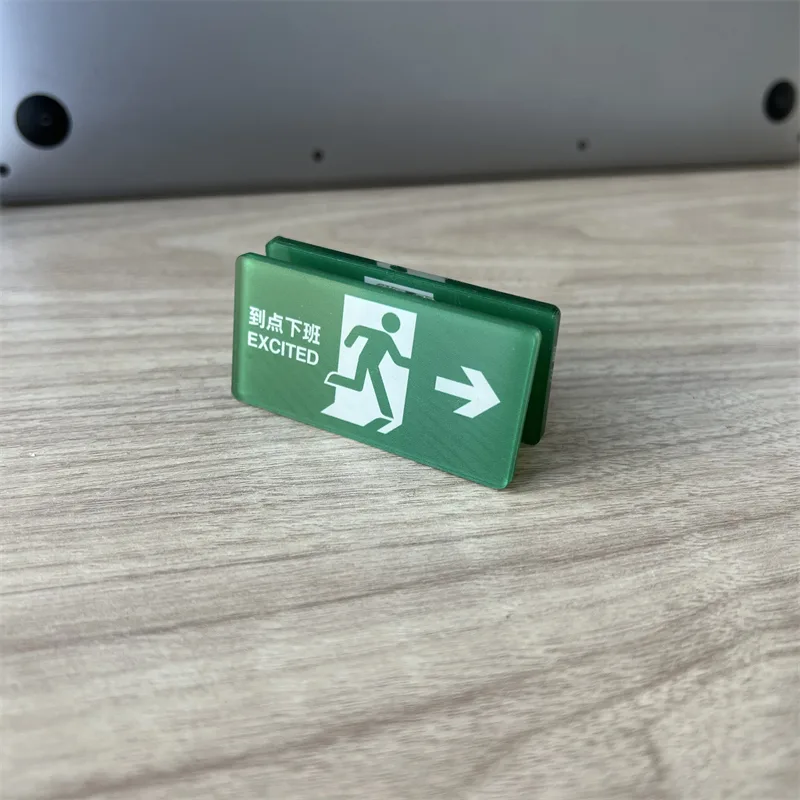
A keychain can often keep one design to one physical size. It does not expire like food. It is not divided into XS–XL. It is small and dense enough that international shipping is usually easier to model than bulky goods. Packaging can be as simple as a clear bag and backing card. If the design works, the same production file and spec can make a reorder straightforward.
Most importantly, you can get to a real batch without having to build the entire company first.
A recent OFFPRESS quote is a good illustration: a 50-piece custom acrylic keychain test, including simple retail packaging and shipment to the U.S., came in below USD 100 in total. That was one order-specific quote in September 2026, not a standing price or a promise for another design. The useful point is the scale of the experiment: the buyer could put a finished, packaged product in front of customers without converting thousands of dollars into inventory first.
That is a very different learning environment from apparel or project engineering.
The higher unit price on a small batch may be buying you an option
New buyers naturally chase the lowest unit price.
Suppose the choice is:
- 50 units at $2 each = $100 committed
- 500 units at $1 each = $500 committed
The 500-piece quote has the “better” unit price. But it also requires five times as much cash before you know whether the product deserves a second order.
The extra dollar on the small batch is not automatically wasted. Part of it is the cost of keeping your next decision open.
You are effectively paying for the option to say:
- this design worked — reorder bigger;
- the size is wrong — change it;
- customers want another colour — test that;
- the product did not sell — stop.
That is why I prefer thinking in terms of total commitment rather than unit price. The same logic is explored in MOQ vs unit price and planning a first production run.
A small first run should buy information, not just inventory.
Low operational complexity does not mean easy money
There is an important boundary here.
Acrylic keychains, stickers and other small merchandise solve some startup problems. They do not solve the hardest commercial question:
Does anyone want your product at the price you need to charge?
A simple product can still fail because:
- the artwork has no audience;
- the retail price is wrong;
- the product looks interchangeable with hundreds of competitors;
- customer acquisition costs more than the margin;
- the seller has no useful distribution channel;
- the design uses intellectual property they do not have the right to sell;
- the founder mistakes social attention for purchase intent.
So I would not call acrylic keychains “the best business.” I would call them a product format with a useful property for a first experiment: failure can be relatively cheap and reversible.
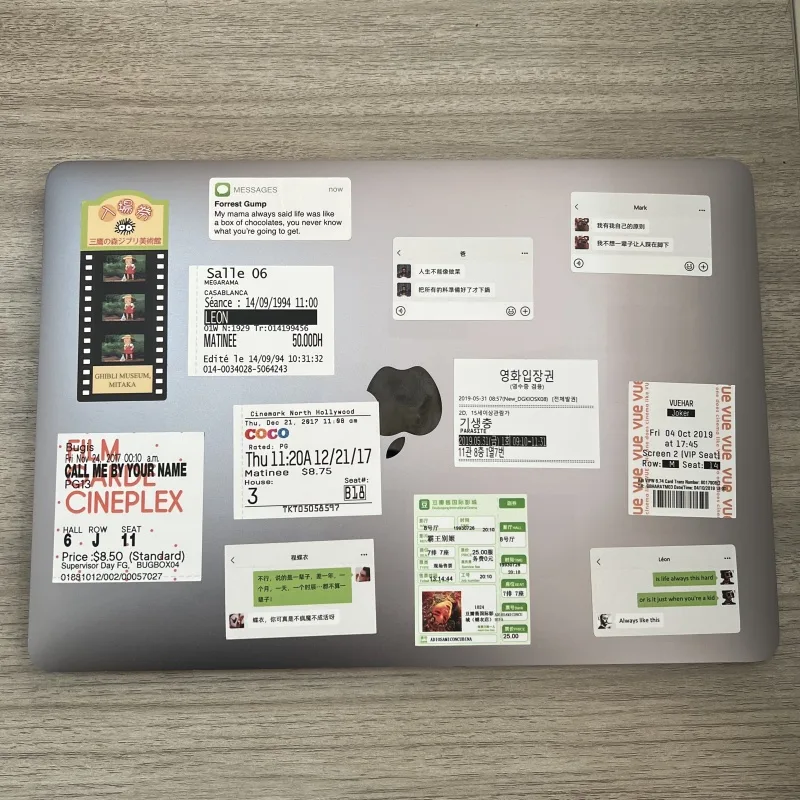
Stickers can push that even further on production cost, although they bring their own trade-offs: lower ticket prices, material and adhesive choices, storage conditions and a different perceived value. This first-merch cost-and-risk guide compares those formats directly.
A ten-minute test for a business idea
Before getting excited about a product category, I would write down honest answers to these questions:
- How much money must I spend before ten real customers can react to the product?
- If nobody buys it, what percentage of that money can I recover?
- How many SKUs exist after I add the obvious sizes, colours or models?
- How many suppliers or technical dependencies can stop the order?
- Does the inventory expire, degrade or lose its selling season?
- Is shipping a small predictable line item, or a major part of the economics?
- Does the product introduce testing, certification, labeling or safety work I do not yet understand?
- Can I personally reach the buyer, or does the sale depend on a professional procurement gate?
- If the first batch teaches me something important, how quickly can I make the second version?
If those answers are still fuzzy, that is not a reason to abandon the idea. It is a reason to make the first experiment smaller.
What I would optimize for in a first business
Not the largest market.
Not the lowest factory price.
Not the most impressive product.
I would optimize for three things:
1. Low irreversible commitment.
You can stop without destroying your cash position.
2. Fast real feedback.
You can put the finished thing in front of paying customers before the assumptions multiply.
3. A clean path to repeat.
If it works, the second order is easier than the first instead of becoming a new engineering project.
That is the kind of business where experience compounds quickly.
The first batch teaches you what people buy. The second teaches you what they reorder. The third tells you whether you have a product line instead of an experiment.
If your idea starts with artwork
For creator merchandise, the next decision is narrower: which physical format lets the artwork survive contact with real production while keeping the experiment affordable?
Start with which merch format fits your artwork, then compare the cost and risk of a first merch product. If you already have a design, send the artwork and a rough quantity. The useful first quote is not the one with the lowest possible unit price — it is the one that tells you how cheaply you can get a real answer from the market.
Alex founded OFFPRESS after years working around physical-product businesses and buying and selling custom merchandise. Pages attributed to Alex are grounded in that first-hand experience — nothing here is invented to fill a content calendar.
RELATED PRODUCTS
Acrylic Keychains
Cast acrylic, UV printed, cut to your outline. Epoxy, holographic or flat — your call.
Stickers
Die-cut to your outline or kiss-cut on a sheet. Gloss, matte, holographic or clear.
KEEP READING