
Reordering a design that sold: how to make batch two match batch one
The reorder is where supplier relationships get tested — colour drift, material swaps and silent spec changes. How to set up a first order so its reorder matches, and what to check when it arrives.
Alex, founder · Written from first-hand experience · Stage: Reorder & supplier risk · 2 Sept 2026

The first order tests a supplier’s salesmanship. The reorder tests their production. It’s the stage almost nobody writes about, and — from my years buying these products — the stage where the most quiet disappointment happens: the second batch looks different. Slightly thinner acrylic. A colour a step off. Edges that caught light differently.
None of it is usually malice. It’s what happens when a reorder starts from a price conversation instead of from the physical reference of what was approved the first time.
Why reorders drift
Production conditions move between runs: ink batches, machine recalibration, material lots, even which operator polished the edges. On the supplier’s side these are all “within normal variation.” On your side, your customers hold batch one in one hand and batch two in the other, and buyers of handmade-adjacent goods genuinely notice. Colour drift between runs is a lived pain point sellers discuss constantly — the standard advice in buyer communities is to keep proof samples and demand the printer match the previous run, which is exactly the right instinct.
What makes a reorder match: four habits
1. Keep the approved sample, labelled and dated. The physical sample you approved on order one is the specification. Not your files — your files don’t contain the printer’s actual colour behaviour. File it away from daylight (dome resins and some plastics age with UV exposure, which would make your reference lie to you).
2. Keep the spec sheet, and re-send it with the reorder. Don’t say “same as last time.” Suppliers handle many orders; “same as last time” is whatever they remember. Re-send the written spec — material, thickness, size, finish, attachment, packaging — and add one line: “Reference: match the approved sample from order #[x].”
3. Order early enough that matching is possible. Rush reorders get whatever stock and schedule exist. If you know a design sells through in a quarter, start the reorder conversation when stock hits half, not when the last piece ships. Lead time arithmetic includes production and freight — a 7-day run on 30-day freight is a 5-week promise.
4. Re-check the price against the market at volume changes. Reorders are also when quantities grow, and growth reopens pricing. If this reorder is double the last one, re-quote it elsewhere once (same brief, three quantities) — either your incumbent matches the market or you’ve found leverage, and both outcomes are fine.
What to check when the reorder arrives
Against the kept sample, in daylight:
- Colour — the single most common drift. Side by side, not from memory.
- Material and thickness — hold it; feel is a real measurement.
- Finish — dome thickness and clarity; holographic alignment; matte actually matte.
- Edges and cut — polish, chips, outline accuracy.
- Consistency — sort the batch perfect/acceptable/reject. Batch two’s reject rate against batch one’s is your supplier’s true quality trend.
- Paperwork — did the spec sheet come back with the order confirmation, or did the reorder run on memory?
If something’s off, raise it with photos of both batches side by side immediately. Suppliers can fix what they can see; silence teaches them nothing arrived wrong.
The deeper play: your reorder is someone’s first order
Every supplier you keep warm should occasionally get a reorder-shaped order. A backup supplier whose last order was a year ago isn’t a backup — it’s a memory. This is the practical logic behind keeping a second source: when your primary slips (it happens — that’s the pattern), you redirect without missing your selling window.
At OFFPRESS the reorder process is deliberately boring: your approved sample and written spec sheet are the run’s reference, QC photos go out before dispatch, and the numbers are re-confirmed in writing rather than remembered. If you’re sizing a reorder now, send the original spec sheet and quantity through the quote form — that’s all the conversation needs to start.
Alex founded OFFPRESS after years working around physical-product businesses and buying and selling custom merchandise. Pages attributed to Alex are grounded in that first-hand experience — nothing here is invented to fill a content calendar.
RELATED PRODUCTS
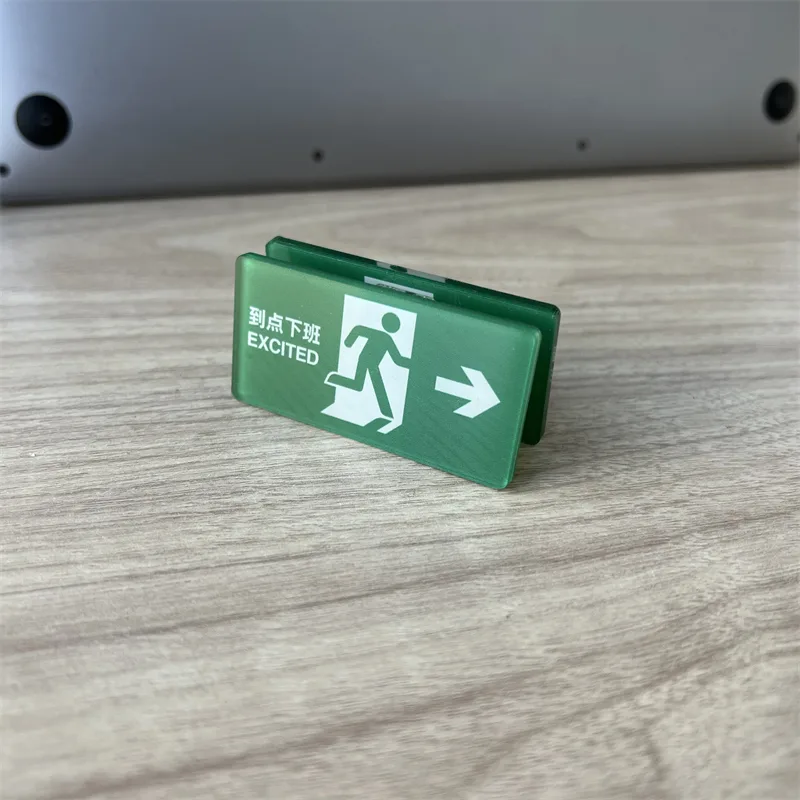
Acrylic Keychains
Cast acrylic, UV printed, cut to your outline. Epoxy, holographic or flat — your call.
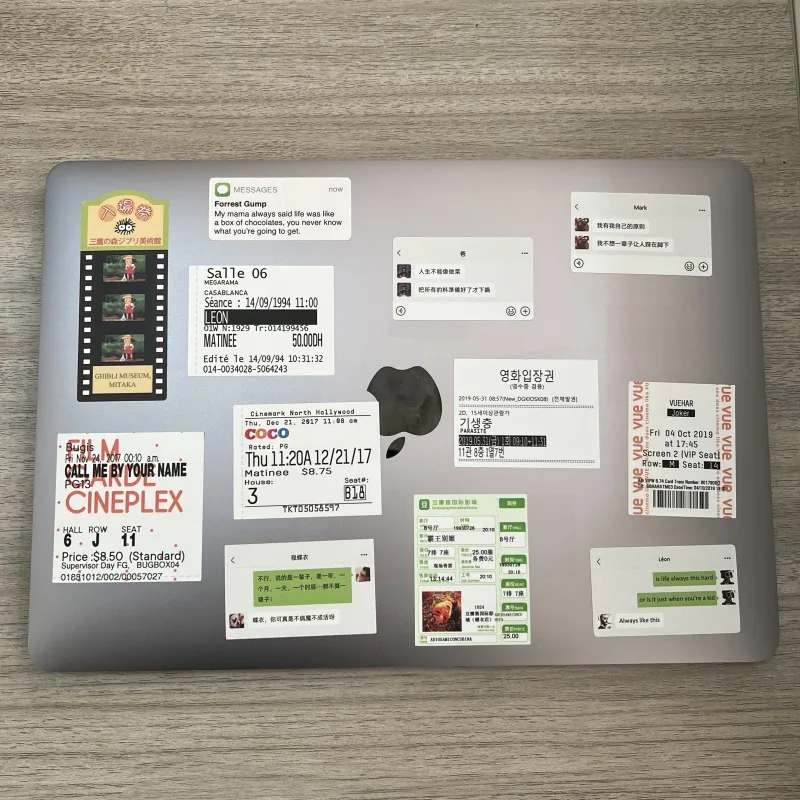
Stickers
Die-cut to your outline or kiss-cut on a sheet. Gloss, matte, holographic or clear.

Fridge Magnets
The same artwork, a different object on the shelf. Printed, domed and backed to hold what you need it to hold.

Badges & Pins
Pin-back badges pressed to size. Loud artwork, low unit cost, easy to add to any order.
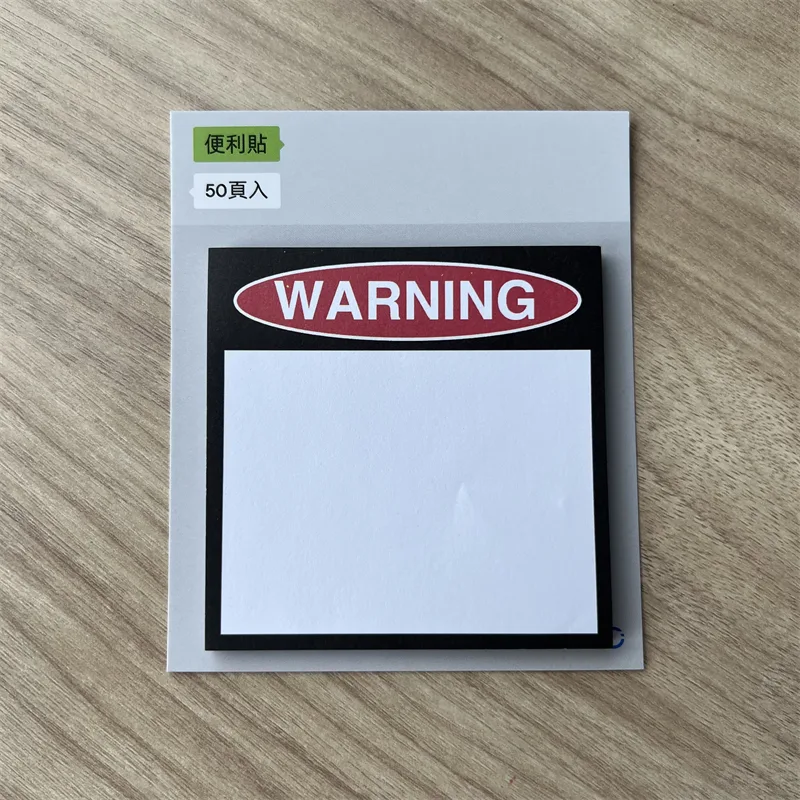
Sticky Notes
Repositionable pads with your artwork on the cover, the edge, or every single sheet.
KEEP READING