
Planning a first production run without overcommitting
How to size a first merch run you can walk away from: minimum sellable batches, checkpoints between runs, and the reorder trigger that replaces guesswork.
OFFPRESS editorial · Researched against external sources · Stage: First order · 2 Sept 2026
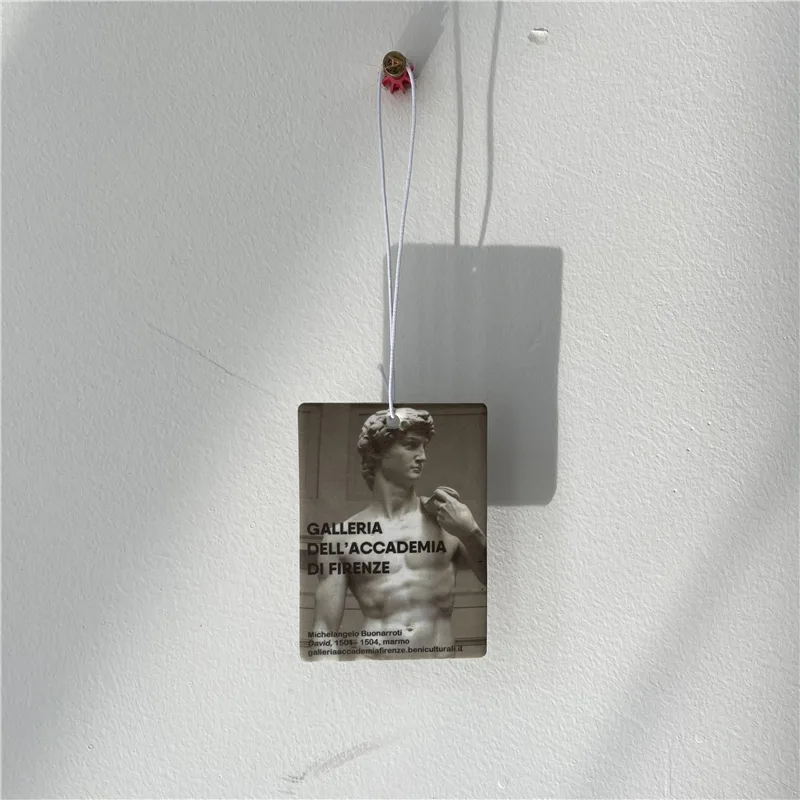
A first production run has one job people forget: to generate information, not just inventory. Every number in it — the design, the finish, the size, the quantity — is a hypothesis. Size the run so a wrong hypothesis is cheap.
The three properties of a sane first run
1. It’s a real run, not a sample. One or two pieces tell you nothing about consistency — whether piece 3 matches piece 80 is the actual quality question, and only a run answers it.
2. It’s small enough to walk away from. If this design flops, the loss should sting your budget, not your quarter. A common framing from in-person sellers: stock each design to a fraction of what you hope sells, because unsold inventory is lost money while a stock-out is just a restock away.
3. It’s complete. Same finish, same packaging, same spec sheet as your imagined “real” order — because you’re testing the supplier relationship as much as the design. A special-cased trial measures the special case.
Sizing without a crystal ball
You can’t know demand; you can estimate it from whatever evidence you have, then buy under it:
- Prior sales of any comparable product at comparable price points — your own Etsy/shop numbers, or what neighbours at a similar market table reported moving.
- Audience size and conversion reality. Followers are not demand; an honest look at past launch engagement is closer.
- Event math, if you sell in person: expected selling hours × realistic sales per hour, then take a fraction for a first run. Community guidance for a first convention is consistently “err low per design and restock what surprises you.”
Then take the number you estimated and buy under it — commonly somewhere between a third and two-thirds for a first run of an unproven design. The unit price will be worse than at 500 pieces; that’s the premium for optionality, and it’s worth paying exactly once per design.
Checkpoints that replace the second guess
Before reordering, three questions turn sell-through into a decision:
- Did it sell through a meaningful share of the run in its first real window? (A launch, an event, a listing period.) Fast sell-through with comments asking for restock is the strongest signal there is.
- Did the product survive contact with customers? No complaints about colour, edges, hardware, adhesive — the run passed its quality test, so the reorder can be bigger, not just repeated.
- Did anything about the spec annoy you in hand? Size slightly too small, dome catching light oddly, chain too short. Fix spec issues on the reorder, while the run is still fresh — this is the cheapest product development you will ever do.
If all three pass, you have a winning design, and the next decision is how to size the reorder.
The trap to avoid
The classic first-run failure isn’t a flopped design — it’s the just-in-case upsize: “at 500 they’re only 30 cents more each than at 200, so…” That 30-cent saving purchases 300 pieces of inventory you haven’t earned yet. The volume curve rewards commitment (see MOQ vs unit price); a first run is precisely when you can’t afford to give it.
What this looks like in practice
A shape that works for a first order, all in one production run:
| Element | First-run choice |
|---|---|
| Designs | 1–3 (one proven direction, at most two bets) |
| Quantity per design | Under your demand estimate; above the supplier’s per-design minimum |
| Finish | The one you actually want to sell — not a simplified “test” version |
| Packaging | Standard; upgrade on the reorder when the design earns it |
| Kept artifacts | The approved sample + spec sheet, filed for the reorder |
Send it as one clear brief and the run will also have paid for itself as a supplier test — the same order does both jobs.
Researched and written by the OFFPRESS editorial desk. General production principles are kept separate from order-specific figures — anything that depends on your job (lead time, sample cost, freight) is marked as confirmed with your quote, not stated as a blanket promise.
SOURCES & FURTHER READING
RELATED PRODUCTS
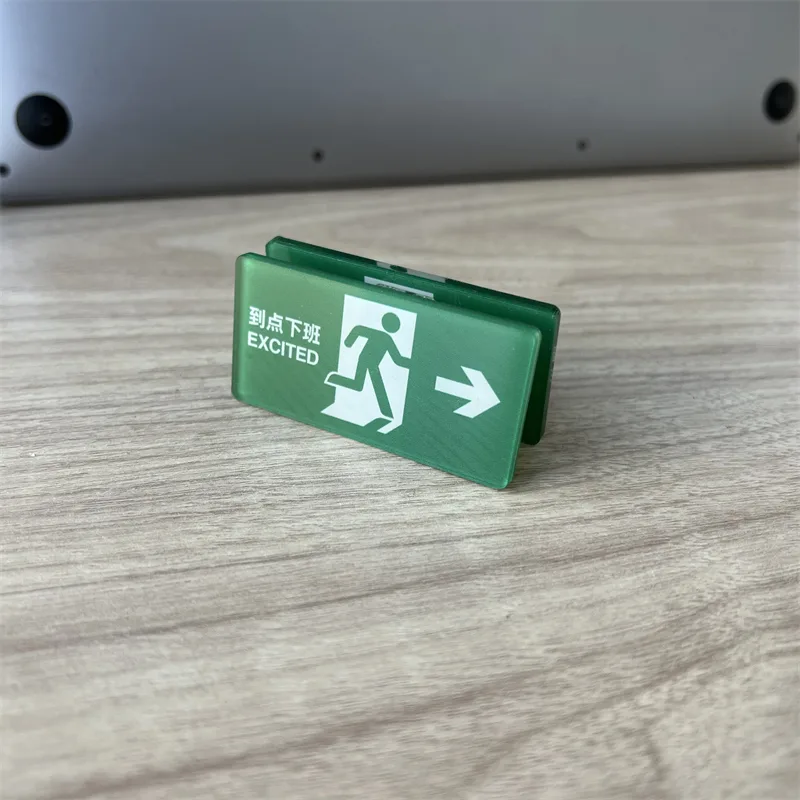
Acrylic Keychains
Cast acrylic, UV printed, cut to your outline. Epoxy, holographic or flat — your call.
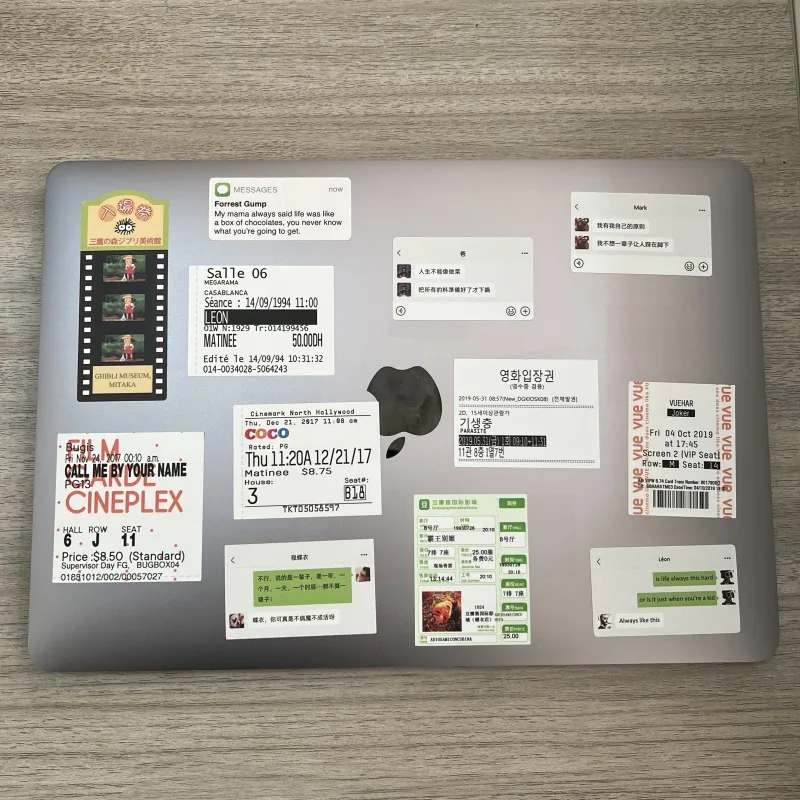
Stickers
Die-cut to your outline or kiss-cut on a sheet. Gloss, matte, holographic or clear.
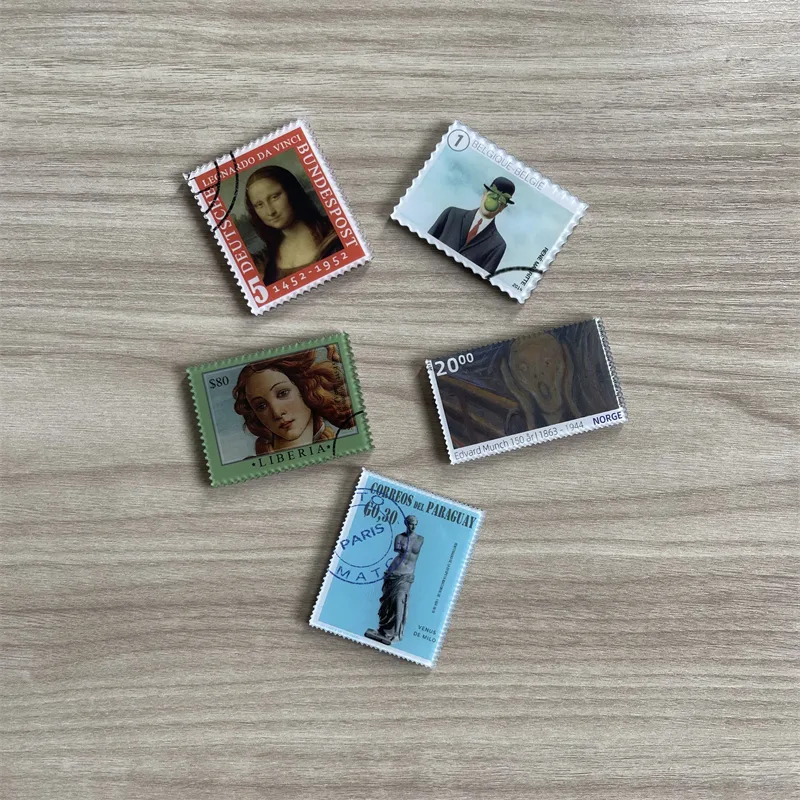
Fridge Magnets
The same artwork, a different object on the shelf. Printed, domed and backed to hold what you need it to hold.

Badges & Pins
Pin-back badges pressed to size. Loud artwork, low unit cost, easy to add to any order.
Sticky Notes
Repositionable pads with your artwork on the cover, the edge, or every single sheet.
KEEP READING