
How to compare two custom merch suppliers using the same artwork
A practical framework for comparing custom merch suppliers on equal terms: freeze the design, normalize the quote, and score ten dimensions that actually predict how the order will go.
Alex, founder · Written from first-hand experience · Stage: Comparing suppliers · 2 Sept 2026
Most supplier comparisons fail before anyone reads a quote — because the two suppliers were never asked for the same thing. One quotes 3 mm acrylic with an epoxy dome; the other quotes 2 mm with a gloss finish. One includes shipping; one doesn’t. The prices look 30% apart and mean nothing.
I compared suppliers for years on the buying side, and the single habit that separated useful comparisons from useless ones was this: both suppliers get the identical brief, and the comparison happens on paper before anyone gets emotional about a price.
Here’s the process I use now, written down.
Step 1 — Freeze one test design
Pick one design, one product, one size, one finish. Production-ready if you have it; a clean draft is enough to start. Don’t send five designs to each supplier — you’ll get five prices per supplier and no clarity.
If you genuinely produce multiple designs, still test with one first. Multi-design pricing can come later, once you know who you’re dealing with.
Step 2 — Write one spec sentence and send it to everyone, word for word
Something like:
Acrylic keychain, 50 mm, 3 mm cast acrylic, single-sided full-colour print, epoxy dome, ball chain, 100 pcs, individual opp bag, shipped to [country]. Please quote unit price at 100 / 300 / 500 pcs, sample cost and time, and production lead time.
Sending identical wording matters more than the wording itself. If Supplier A answers the question you asked and Supplier B answers a different question, that’s already data.
Step 3 — Require three quantities on every quote
Unit price means nothing at one quantity. Ask for 100 / 300 / 500 (or your own three points) and you’ll see each supplier’s cost curve: who’s cheap at small volume, who only gets competitive at scale, and where the volume breaks are.
Step 4 — Score ten dimensions, not one
Price is one row of ten. The rest predict what the order will actually feel like.
| # | Dimension | What to compare |
|---|---|---|
| 1 | Quote completeness | Does the reply come back as a spec sheet (material, thickness, finish, size, attachment, packaging), or just a number? |
| 2 | Unit price curve | Price at all three quantities, not the best single number. |
| 3 | MOQ & mixed designs | MOQ per design or per order? Can you mix designs in one run without a penalty? |
| 4 | Sample policy | Physical sample of your design? Cost, time, and whether sample cost is credited back. |
| 5 | Communication | Hours to first reply. Do they flag problems in your artwork unprompted, or say “ok” to everything? |
| 6 | Lead time & freight | Production days plus shipping options to your door — a 7-day production with 40-day freight is a 47-day promise. |
| 7 | Packaging | Standard OPP bag? Backing card? Retail-ready options and their cost? |
| 8 | Proof & approval process | Digital proof? Physical sample approval? What exactly gets your sign-off before the run? |
| 9 | Repeatability | What system exists so reorder #2 matches order #1? (Kept sample? Kept print file? Batch records?) |
| 10 | Failure handling | Ask directly: “If the run comes out wrong, what happens?” Vague answers are answers. |
Score each supplier 1–3 per row, weighted however suits your business. A supplier who wins on price and loses on rows 4, 8 and 9 is expensive in year two.
Red flags I’ve learned to take seriously
- A quote with no spec sheet. You can’t compare what isn’t written.
- “It depends” with no follow-up question. Good suppliers ask about your artwork, size and quantity before quoting; bad ones throw a number and hope.
- Everything is “yes”. Real suppliers push back sometimes — on line weights, dome edges, hole placement. A supplier who agrees to everything hasn’t read your files.
- No physical sample of your own design. Stock-photo samples and digital mockups hide the two things that actually go wrong: colour and finish.
What a complete quote looks like
A quote you can hold someone to includes: material and grade, thickness, size, printing method, finish, attachment/hardware, packaging, quantity breaks, sample cost and time, production time, freight options, and total landed cost for at least one scenario. Anything missing will be “discussed” after you’ve paid.
Using this yourself
You don’t need to tell suppliers they’re being compared — just run the same brief past two or three, including the one you already use. Benchmarking your incumbent supplier is the cheapest negotiation there is, and it needs no commitment from either side.
This is the exact process we run on the supply side at OFFPRESS — written spec sheet, three-quantity quote, and the confirmation step your order agrees on: physical sample, digital proof, run photos or first article. If you’re comparing suppliers, send the same brief to us too; it’s designed to be scored.
Want the scoring sheet as a working tool? Use the supplier comparison checklist — it walks through the ten dimensions and produces a printout you can put next to another supplier’s.
Then read when it actually makes sense to test a second supplier, or what to send a supplier for an accurate quote before you start.
Alex founded OFFPRESS after years working around physical-product businesses and buying and selling custom merchandise. Pages attributed to Alex are grounded in that first-hand experience — nothing here is invented to fill a content calendar.
RELATED PRODUCTS
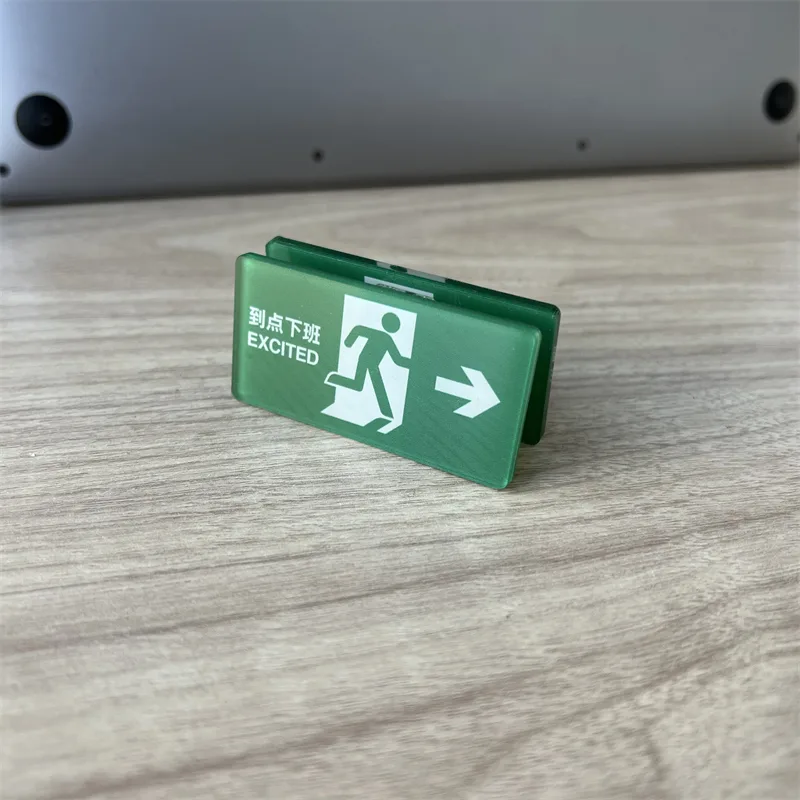
Acrylic Keychains
Cast acrylic, UV printed, cut to your outline. Epoxy, holographic or flat — your call.
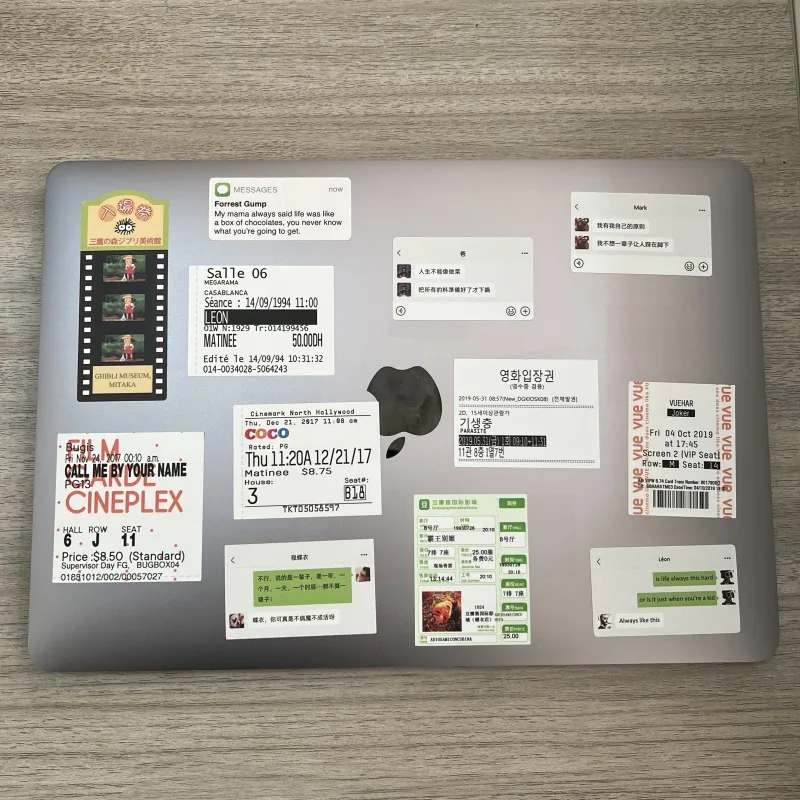
Stickers
Die-cut to your outline or kiss-cut on a sheet. Gloss, matte, holographic or clear.
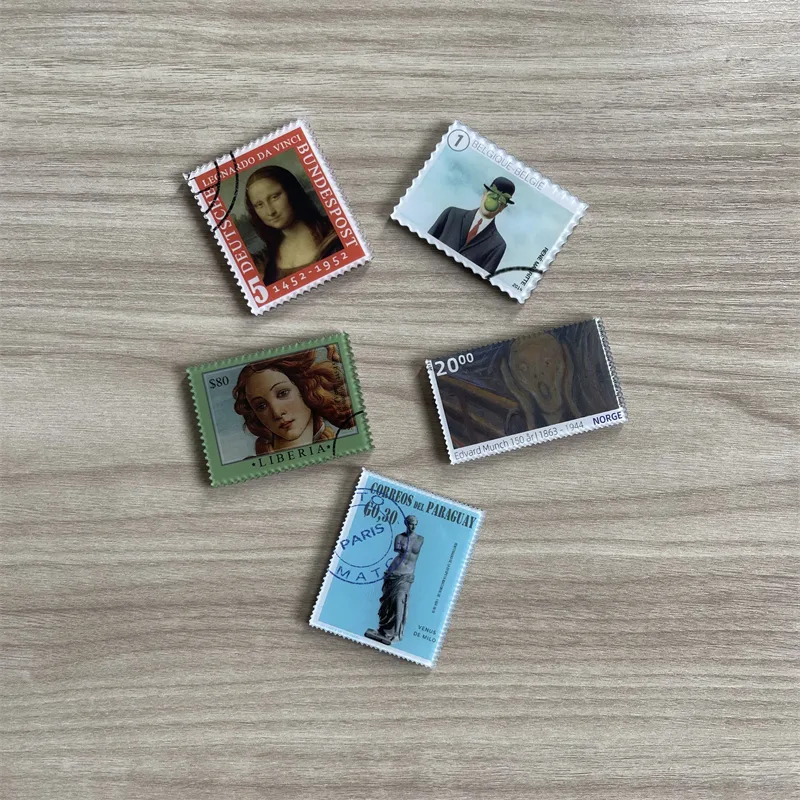
Fridge Magnets
The same artwork, a different object on the shelf. Printed, domed and backed to hold what you need it to hold.
Badges & Pins
Pin-back badges pressed to size. Loud artwork, low unit cost, easy to add to any order.
Sticky Notes
Repositionable pads with your artwork on the cover, the edge, or every single sheet.
KEEP READING