
Acrylic keychain options, decided on real pieces
Clear vs effect bases, flat vs epoxy dome, single vs double layer, attachments and size — what each choice actually does to the finished keychain, with photos of real pieces.
OFFPRESS editorial · Based on direct observation of real pieces · Stage: Preparing artwork · 2 Sept 2026
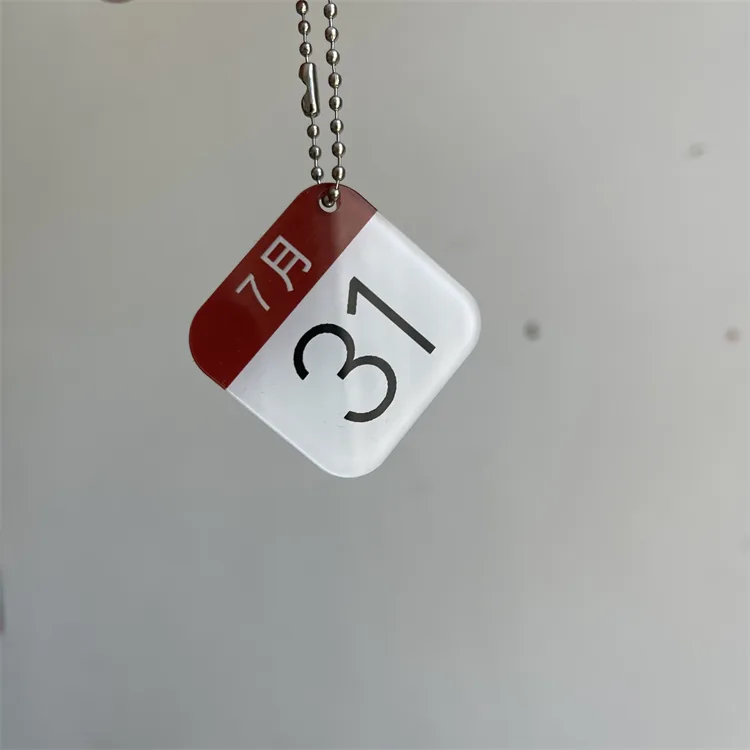
Every acrylic keychain order runs through the same five decisions. Product pages list them as options; almost nowhere explains what they do to the finished piece. This page does that, using real pieces from our range rather than renders.
1. Base: clear, frosted or coloured
The base decides how your artwork relates to light.
- Clear — the classic charm look. Artwork sits on a white ink underbase where opacity is needed, and the rest of the piece stays see-through. Best when the outline is part of the design (see white ink and clear bases).
- Frosted — a soft, translucent base that diffuses light. Forgiving with pale artwork, slightly mutes saturated colour.
- Coloured / opaque — black, white, glitter, holographic, aurora and other effect bases. Effect bases change how flat colour reads: holographic splits light into spectral rainbow and flatters bold, simple art while eating fine detail; glitter adds sparkle points with the same trade.
What to consider: the busier the artwork, the quieter the base. On the pieces in our gallery, the strongest-looking ones pair detailed print work with a plain clear base and let one effect do the work.
2. Flat or epoxy dome
An epoxy dome is a clear resin layer self-levelled over the print, giving depth and a glassy edge.
| Flat | Epoxy domed | |
|---|---|---|
| Look | Crisp, graphic | Depth, lens-like gloss |
| Feel | Light, thin | Thicker, premium in hand |
| Cost & time | Baseline | Adds a little of both |
| Known weakness | Edges can chip on hard impact | Standard epoxy yellows over years of UV exposure unless the resin is chosen to resist it |
That last row matters. The yellowing you may have seen on older epoxy charms is the resin dome aging, not the acrylic — and it’s well documented for standard epoxy resins, with polyurethane dome resins and UV-inhibited formulations available as the more stable alternative. It’s a supply-chain question with a real answer: ask which resin is going into your dome. We confirm the resin type on the spec sheet rather than promising “never yellows,” because nobody honestly can.
3. Single or double layer
Single layer is one sheet, printed. Double layer puts artwork on a printed base sealed under a clear face — more depth, a sandwiched look, and the print physically can’t scratch. It roughly doubles the acrylic and adds a process step, so it costs and weighs more. Choose it when the design benefits from depth (layered characters, framed layouts); skip it when flat art carries itself.
4. Attachment: how it hangs
Split ring, ball chain, lobster clasp, or a plain hole. This is a usability decision disguised as a hardware one: ball chains are cheap and universally expected on charms; lobster clasps attach to strap holes and zips; split rings are the keyring workhorse; a plain hole lets your customer choose. The attachment changes how the piece hangs on a display hook — literally how it presents at a con table. One of the pieces in our gallery pairs the charm with a printed lanyard for ID-badge use — a reminder that “keychain” hardware decisions include wearables.
5. Size
Charm sizes commonly run from about 25 mm up to 75 mm, with 3 mm the standard acrylic thickness and thicker slabs available for statement pieces. The decision rule is text: if your design has words, mock it at final size before ordering. Text that reads on a 27” screen disappears on a 50 mm charm. Fine lines have floors too — some vendors publish minimum line widths in the half-millimetre range for exactly this reason.
Every one of these options is quotable on our acrylic keychains page with MOQ and spec-sheet terms in writing. If you’re torn between two combinations, say so when you send artwork — one sentence (“dome vs flat for outdoor use?”) gets a straight answer before you spend anything.
Researched and written by the OFFPRESS editorial desk. General production principles are kept separate from order-specific figures — anything that depends on your job (lead time, sample cost, freight) is marked as confirmed with your quote, not stated as a blanket promise.
RELATED PRODUCTS
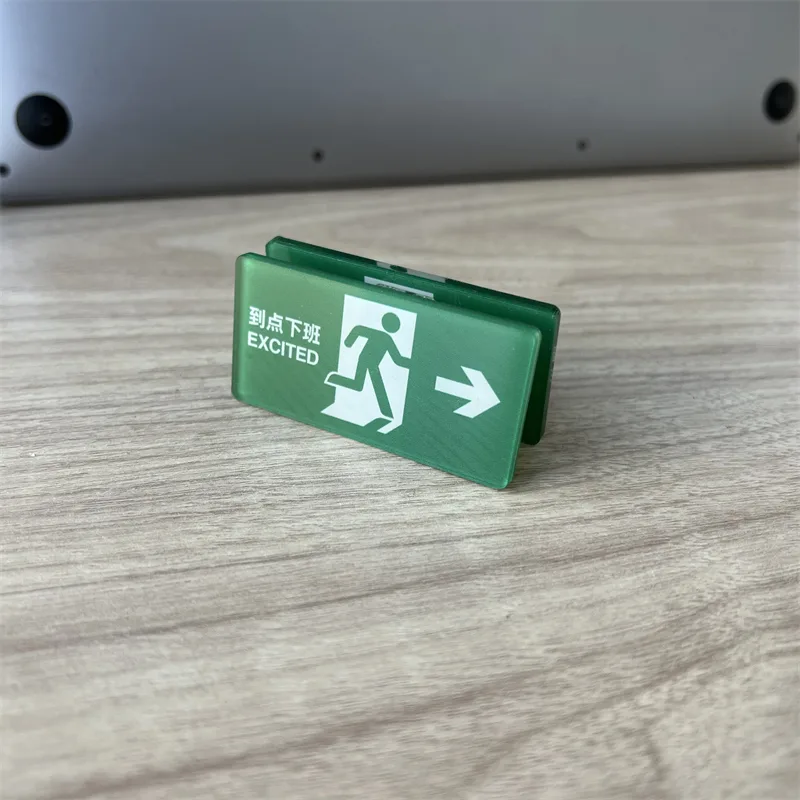
Acrylic Keychains
Cast acrylic, UV printed, cut to your outline. Epoxy, holographic or flat — your call.
KEEP READING