
Check your artwork at actual size — the 5-minute test before you order
A concrete five-minute test that catches the failures that look fine on screen and vanish in production: print at 100%, hold at use distance, check text floors, line weight and silhouette — and know what this test can't settle.
OFFPRESS editorial · Based on direct observation of real pieces · Stage: Preparing artwork · 2 Sept 2026
Every merch format shrinks your artwork to a size that looks fine on a 27″ screen and vanishes in reality. The fix isn’t more DPI — it’s ten minutes with a printer and a ruler, before you order anything. One format runs the other direction: a desk mat scales your artwork up, and the failure mode is different — see mouse pads and desk mats.
The short answer: print your artwork at 100% of the final size, hold it where the product will actually be seen, and check four things — smallest text, thinnest line, silhouette, and busy detail. Anything that fails there will fail worse in production, because production adds its own losses on top of yours.
The 5-minute test
1. Set up at true size. Print the artwork at exact final size (100% scale — a template or a ruler check tells you the printer isn’t scaling). Low-fi is fine: a desktop printer shows layout failures even if it can’t show colour or resolution. If you can’t print, measure the artwork on screen at its true dimension — but print beats screen for judging lines under fit.
2. Hold it at use distance. Don’t look at the printout on the desk. Hold it where the product lives: a keychain on a bag strap at chest height, a magnet on the fridge at reading height, a sticker on a laptop lid seen from the side of a table, a badge on a lapel seen from a metre away. Distance is what actually decides legibility — not zoom.
3. Check the four killers, in order:
- The smallest word. Read it at use distance. If it’s the one doing the joke or the job and you’re squinting, it’s gone — on a small acrylic charm or badge, most type that isn’t obviously big enough is too small.
- The thinnest line. Look for what nearly disappears at 100%: outline strokes, hairline rules, delicate flourishes. When print adds its own softness, those lines merge.
- The silhouette. Squint, or blur your eyes. If the shape itself stops reading, the design stops working — especially for cut-out products where the outline is the design.
- The busy detail. Look honestly at what remains of a scene at true size. If the composition collapses into noise, the format wants an icon, not the scene.
4. Fix at the source. Something failed? Move the text up a notch, simplify the busy area, thicken the minimum line, or accept that the format is asking for a simplified version of the design. Better to learn it on a printout than on a production run.
5. Record what changed. Keep the true-size printout with your order file. It’s the reference against the proof later — and it’s the honest answer to “why did I size it this way?” when the supplier asks.
What the test can’t tell you
A paper printout is not a production sample. It shows geometry — size, spacing, silhouette — but it does not show:
- Colour. Screen, printer and production inks are different systems. RGB neon on a screen is not CMYK on a charm — see RGB vs CMYK
- Ink on the actual surface. White ink on clear acrylic, effect finishes, enamel — each changes the look (white ink on clear, sticker finishes)
- Material, weight, finish and hardware. No printout checks a dome, a pin back or a magnet’s hold
- Vendor-specific numbers. Bleed, safe area and minimum line weight are set by the production line; your test assumes your judgement, the supplier’s spec sheet is the other half (cut lines, bleed and safe area)
For all of those, the honest gate is the physical sample — which is why this test is a pre-filter, not a substitute. Run it, and the sample round becomes a confirmation instead of a discovery.
The test is five minutes, and the artwork readiness checklist turns its result — plus everything else a quote needs — into one message. When it passes, send the artwork: size decisions made against reality are what the quote can act on.
Researched and written by the OFFPRESS editorial desk. General production principles are kept separate from order-specific figures — anything that depends on your job (lead time, sample cost, freight) is marked as confirmed with your quote, not stated as a blanket promise.
RELATED PRODUCTS
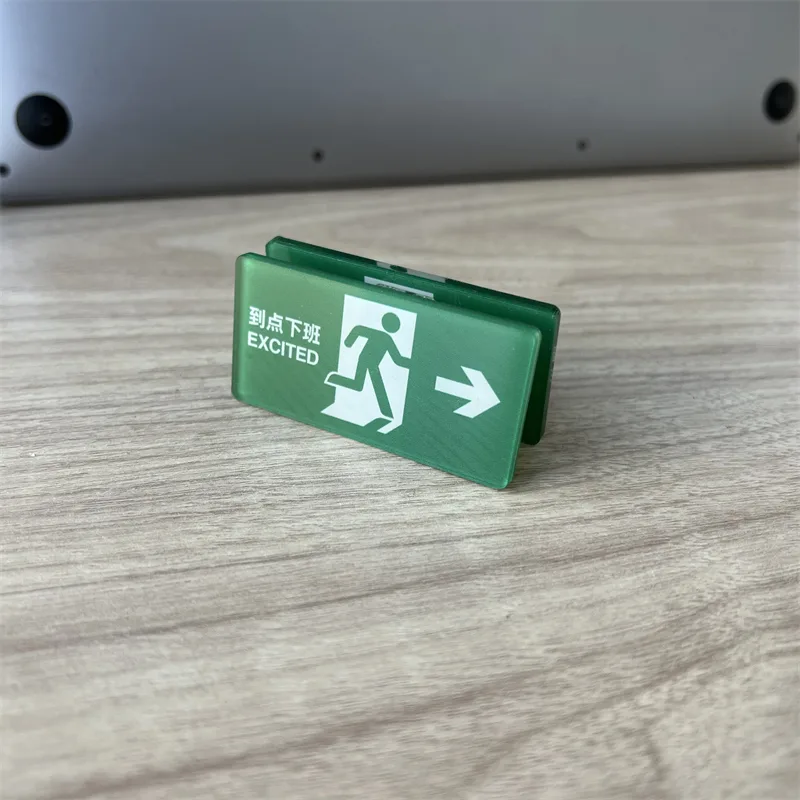
Acrylic Keychains
Cast acrylic, UV printed, cut to your outline. Epoxy, holographic or flat — your call.
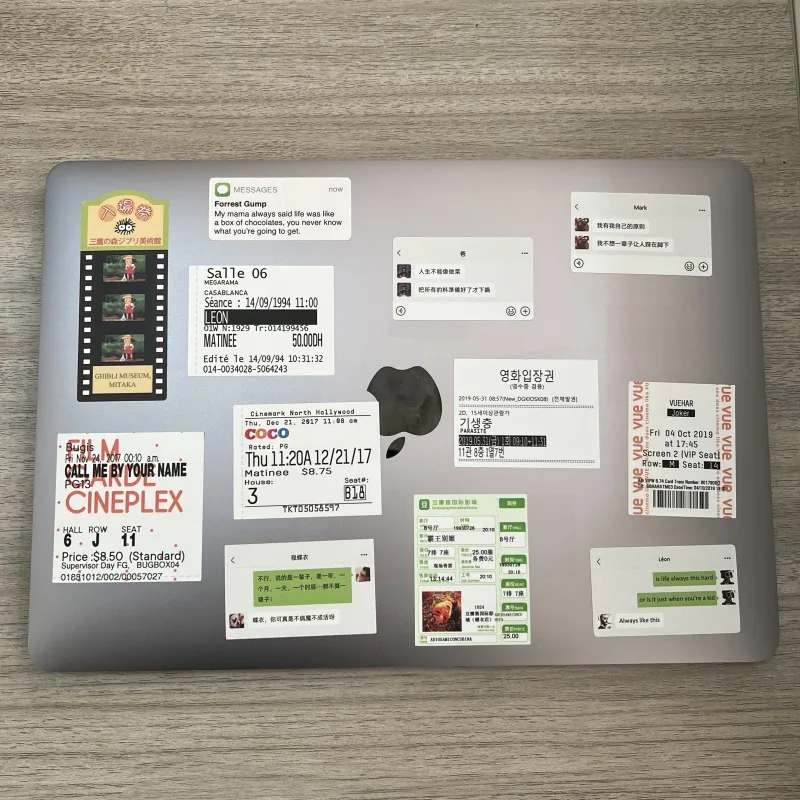
Stickers
Die-cut to your outline or kiss-cut on a sheet. Gloss, matte, holographic or clear.
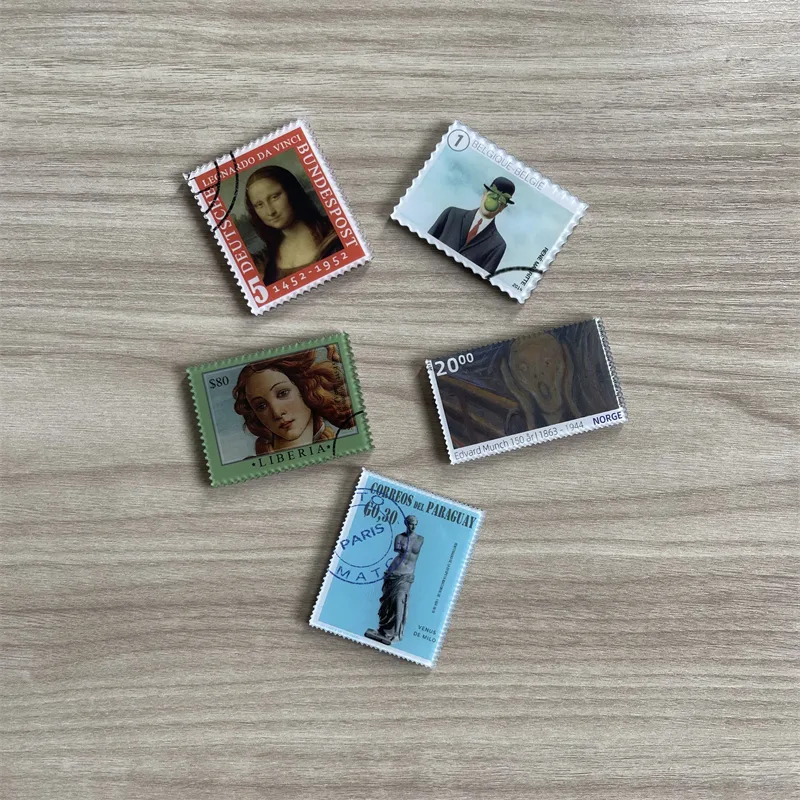
Fridge Magnets
The same artwork, a different object on the shelf. Printed, domed and backed to hold what you need it to hold.
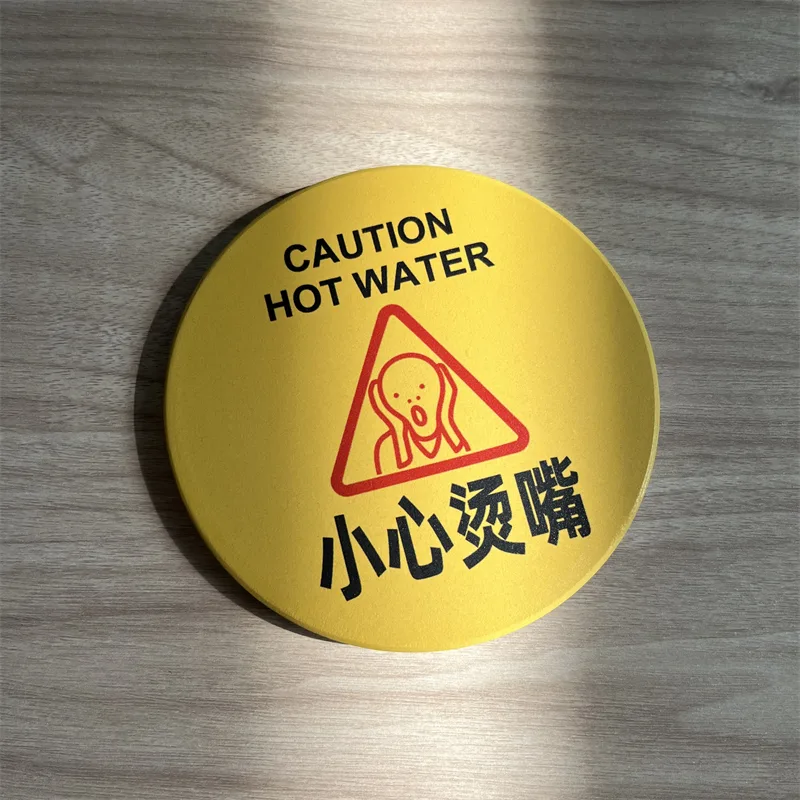
Badges & Pins
Pin-back badges pressed to size. Loud artwork, low unit cost, easy to add to any order.
KEEP READING