
Thick acrylic keychains: what the extra depth actually changes
3 mm, 5 mm or a thick layered build — what thickness changes on a keychain, why the print sits inside the acrylic, and what to ask before a thick order is quoted.
OFFPRESS editorial · Based on direct observation of real pieces · Stage: Preparing artwork · 31 Oct 2026
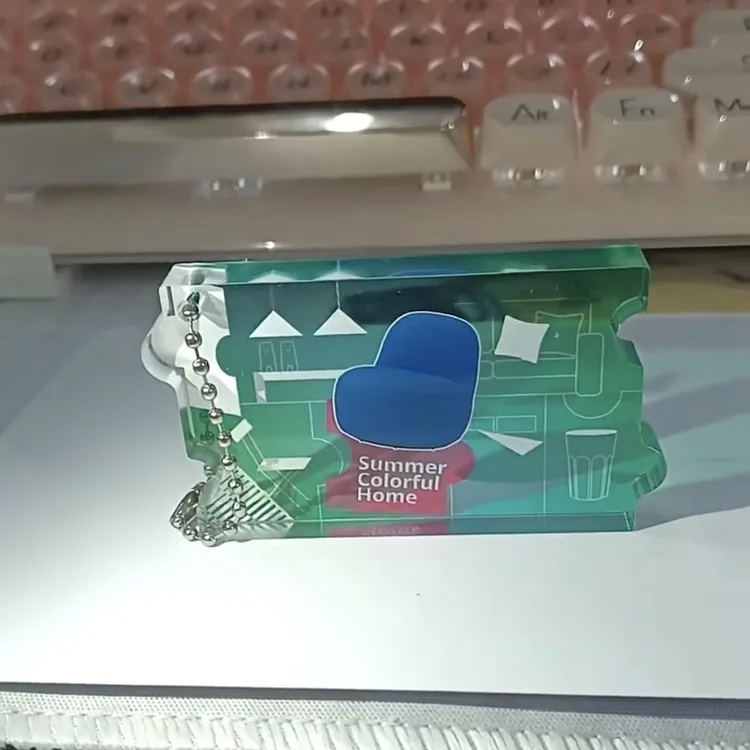
Thickness is the first thing a buyer notices in the hand and the last thing most product pages mention. On a keychain it changes four things: how the piece feels, how the print is protected, how it hangs, and what it costs. This page is about choosing the stock — not about artwork.
1. What thickness changes
- Hand feel. A 3 mm charm is light and slightly flexible at larger sizes. A thick piece (roughly 8–10 mm in the samples we photograph) is rigid and has weight before the hardware is attached.
- The edge. Thin stock gives a thin, slightly sharp edge. Thick stock shows a polished edge with visible depth — it reads as an object rather than a printed sheet.
- Print protection. On a thin single-layer piece the print sits on the surface. On a thick layered build the print sits on the base and a clear face is bonded over it, so the artwork can’t be rubbed off.
- Cost and weight. The stock is the cost. Thicker acrylic means more material, more polishing and more shipping weight per piece — a giveaway and a sold piece justify different builds.
2. The layered build, in one paragraph
A thick keychain is usually two layers: a printed base and a clear face bonded on top. The print is sealed between them. This is the same construction logic as a double-layer charm, just with a deeper clear face — the depth is what makes light move through the piece. Ask which layer carries the print, because it decides whether the back of the piece shows a mirrored design or a clean face.
3. The same logic on magnets
The 10 mm fridge magnet is the block version of the same idea: a printed face sealed under a clear acrylic block with a magnet on the back. The failure mode changes with the weight — a heavy block needs a magnet specced to it, or it slides down the fridge door. See thick acrylic fridge magnets for that build.
4. When thick is the wrong choice
- Giveaways at volume. Standard 3 mm stock is cheaper per piece and lighter to ship. If the piece is a freebie, the depth is money you don’t need to spend.
- Very small charms. Under about 40 mm, a thick piece can look chunky rather than premium, and the hardware starts to dominate.
- Thin, spiky outlines. Narrow necks and thin points are where a thick build gets fragile — there is less material behind the cut. These get flagged at artwork check, not after production.
5. What to ask before a thick order is quoted
- What thickness is the price built on? A quote at 8 mm and a production run at 5 mm are different products.
- Is the sample the production stock? Ask for the stock number, not just “thick”.
- Single layer or layered? It decides whether the print can scratch.
- How is the edge finished? Polished or raw changes how the piece reads in the hand.
- What hardware? A heavy piece on a thin ball chain is a mismatch; the attachment has to carry the weight.
The thick acrylic keychains page carries the published specs for our build, and the keychain options guide covers bases, domes and layers. If you’re deciding between standard and thick for a specific design, send it with the quantity — one sentence gets a straight answer before you spend anything.
Researched and written by the OFFPRESS editorial desk. General production principles are kept separate from order-specific figures — anything that depends on your job (lead time, sample cost, freight) is marked as confirmed with your quote, not stated as a blanket promise.
RELATED PRODUCTS
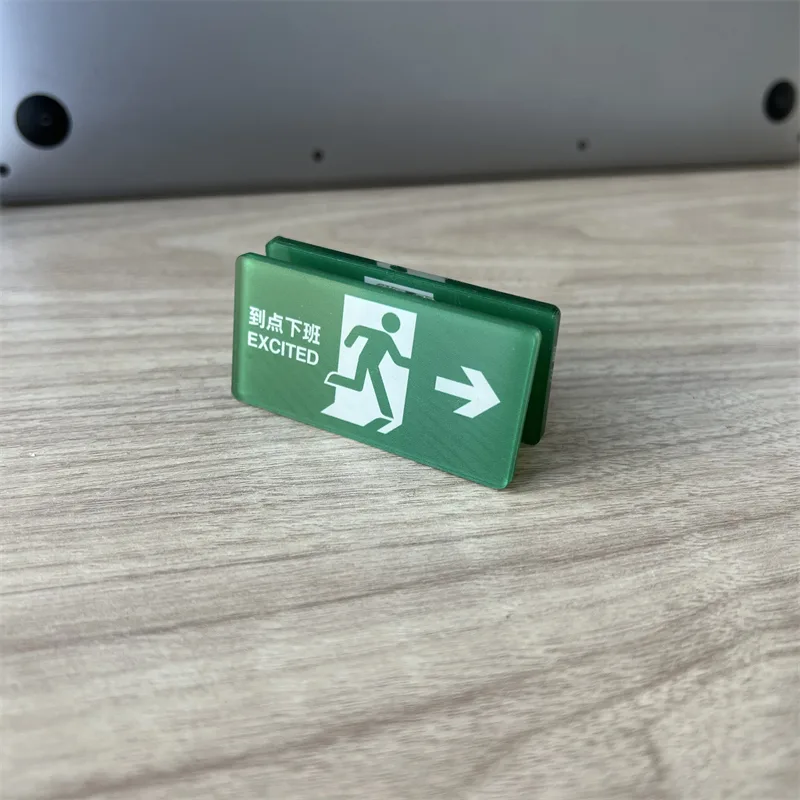
Acrylic Keychains
Cast acrylic, UV printed, cut to your outline. Epoxy, holographic or flat — your call.
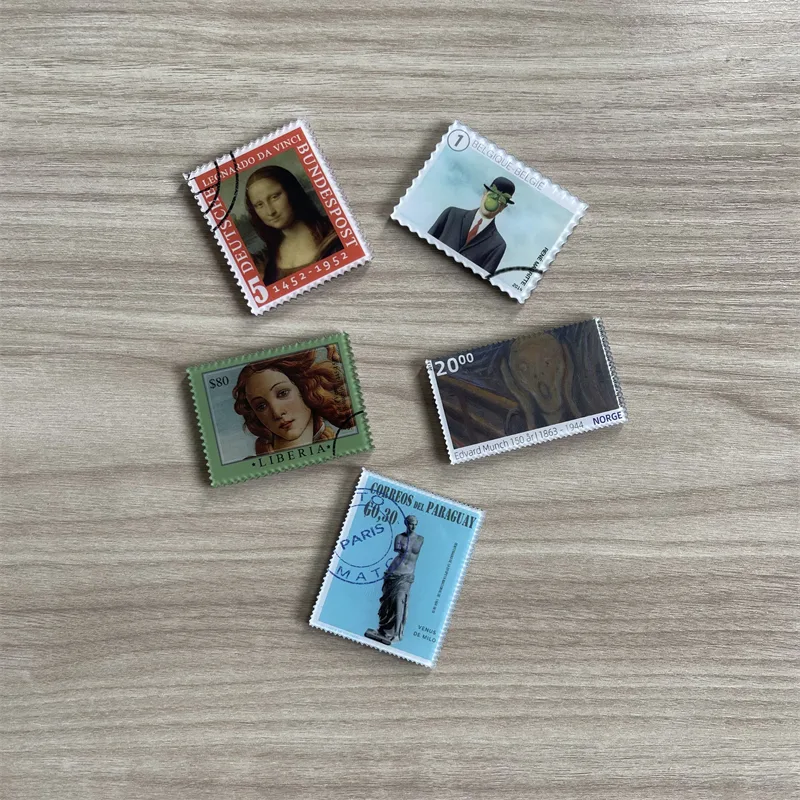
Fridge Magnets
The same artwork, a different object on the shelf. Printed, domed and backed to hold what you need it to hold.
KEEP READING