
Packaging is part of production: what to lock before the order is released
The product can be perfect while the packed goods are wrong. Lock pack format per SKU, quantities, orientation, labels and assembly before production — and approve a packed sample.
OFFPRESS editorial · Researched against external sources · Stage: First order · 6 Sept 2026
Production-release conversations are about the product: material, size, colour, finish. Then the goods arrive right — and the pack is wrong. Cards counted per design instead of per total, half the batch bagged the wrong way round, barcode labels on the card’s back instead of the front, a carton of assembled packs nobody agreed to pay for. The product was approved; the pack was never treated as a thing that could fail.
The short answer: packaging is part of the production spec, not decoration added at the end. Before the order is released, lock six things per SKU — pack format, pack quantities, orientation, labels and barcodes, who assembles, and interference — and approve a packed sample, not just a product sample.
Why packaging belongs in the release gate
Three structural reasons:
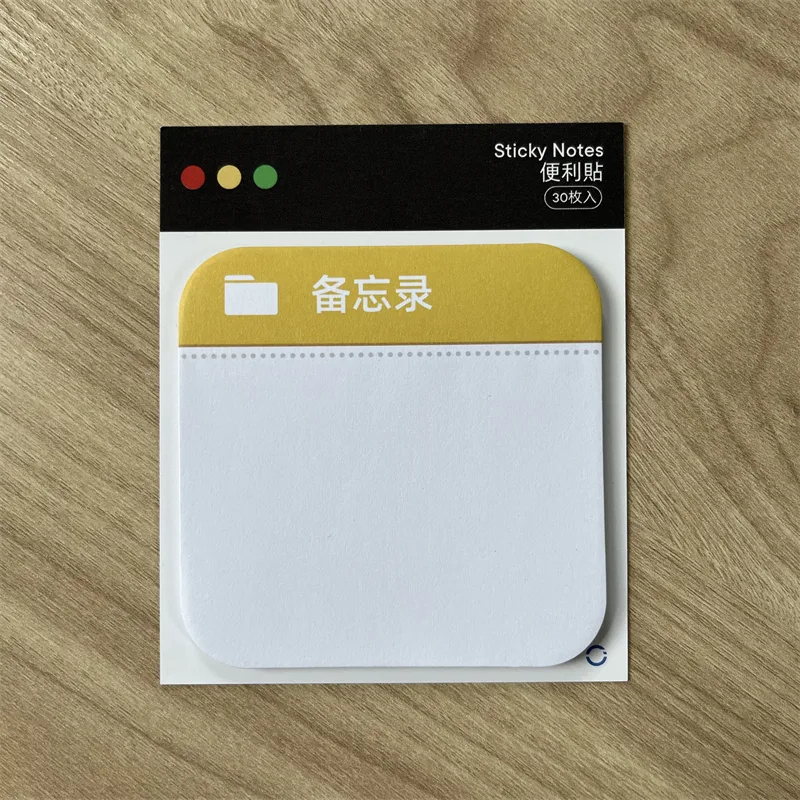
- The pack is what the customer buys. The unit on the shelf or in the mailer is product + card + bag + label, assembled. Nobody buys your loose product.
- Packaging multiplies the order. Four designs bagged individually plus a carded set is more than five pack lines — it’s five configurations to quote, produce and check. Deciding this after production means the assemblies were never in anyone’s plan.
- Assembly is labour with a location. Someone staples the header cards, inserts the product, seals the bags, applies the labels. Some suppliers pack out for you — at least one acrylic-goods supplier states they’ll pack purchased backing cards together with the keychains — some don’t, and some charge per step. Who does it changes what arrives at your door and what it costs. Never assume; ask, and get the answer in the written quote.
The six things to lock, per SKU
Write each line into the brief before production:
| # | Lock | Why it bites when missed | How it reads in the brief |
|---|---|---|---|
| 1 | Pack format per SKU | “bagged” approved, “carded” assumed — or half the order carded | “SKU A: clear poly bag + backing card. SKU B: header-card bag. Set: tin.” |
| 2 | Quantity per SKU per pack type | Cards printed for 300 when 500 units arrive — or 500 cards for two designs that took 200 each | “500 units total: 200 design A / 300 design B, each individually bagged on its own card” |
| 3 | Orientation in the pack | Charms facing backwards, magnets stacked printed-face to printed-face, header cards upside down relative to the product | “artwork faces the clear side; hang card reads upright when the bag hangs” |
| 4 | Labels & barcodes | Buyer-supplied barcodes nobody agreed to apply; SKU labels on the wrong panel | “barcode supplied by us as PDF; applied to card front, bottom-right, before bagging” |
| 5 | Who assembles / packs out | Goods arrive as components; you own 500 staples | “supplier assembles and seals packs” or “shipped bulk, we pack in-house” |
| 6 | Interference check | Bag scratches the dome, magnet snaps through film, card too wide for the bag | “dome must not rub the film; magnets separated within the bag” |
Numbers 1, 2 and 5 are the expensive ones — they change the quote, not just the look. Number 6 is the one nobody thinks about until a magnet has snapped through its bag onto its neighbour in a sealed carton.
Approve the packed sample
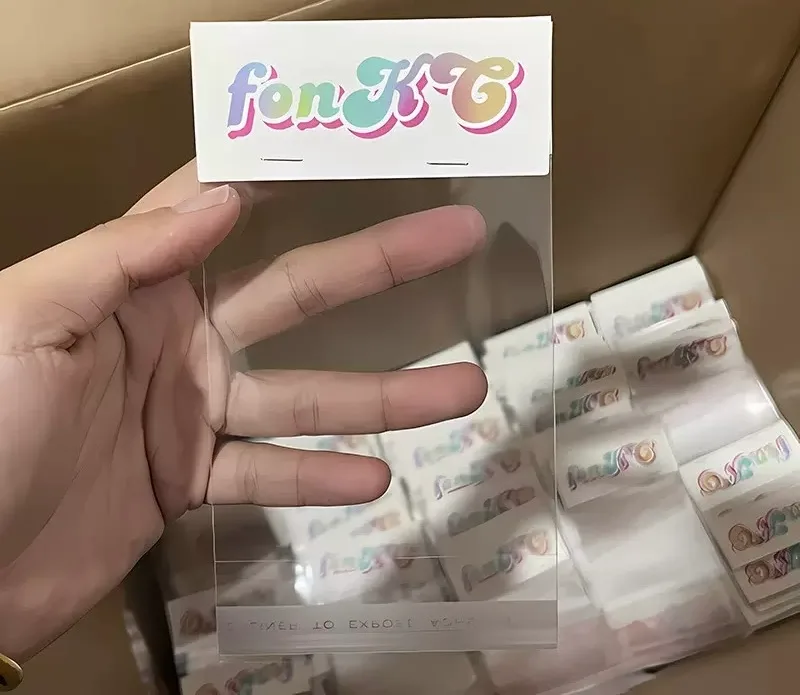
The sample gate decides the product’s spec. If the order includes packaging, the gate must include the pack: the assembled unit — product in card in bag, label applied — approved the same way, against the same written criteria. A flat card proof plus a loose product sample proves neither the fit nor the orientation nor the count.
And on arrival, the first-run check should open packs, not just cartons: pull packed units from different spots in the batch and check them against the spec — orientation, count, label placement, seal.
Where this sits in the buyer journey
Packaging confirmation is one gate in the sequence product → artwork → quantity → sample → packaging → production → reorder. It’s adjacent to decisions you’ve already made — the quote brief is where the packaging lines get written, and quantity planning is where per-SKU pack counts stop being guesswork.
For us: tell us the pack format, the per-SKU quantities, and who assembles, and those lines go into the written spec with everything else — the packed sample you approve is the packed unit you’ll receive.
Researched and written by the OFFPRESS editorial desk. General production principles are kept separate from order-specific figures — anything that depends on your job (lead time, sample cost, freight) is marked as confirmed with your quote, not stated as a blanket promise.
RELATED PRODUCTS
Acrylic Keychains
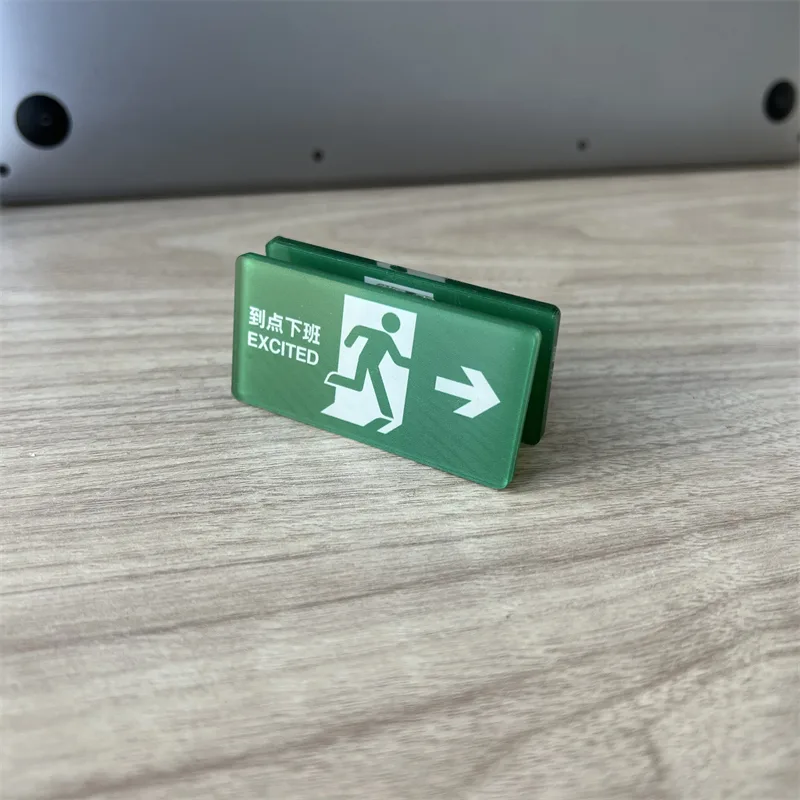
Cast acrylic, UV printed, cut to your outline. Epoxy, holographic or flat — your call.
Stickers
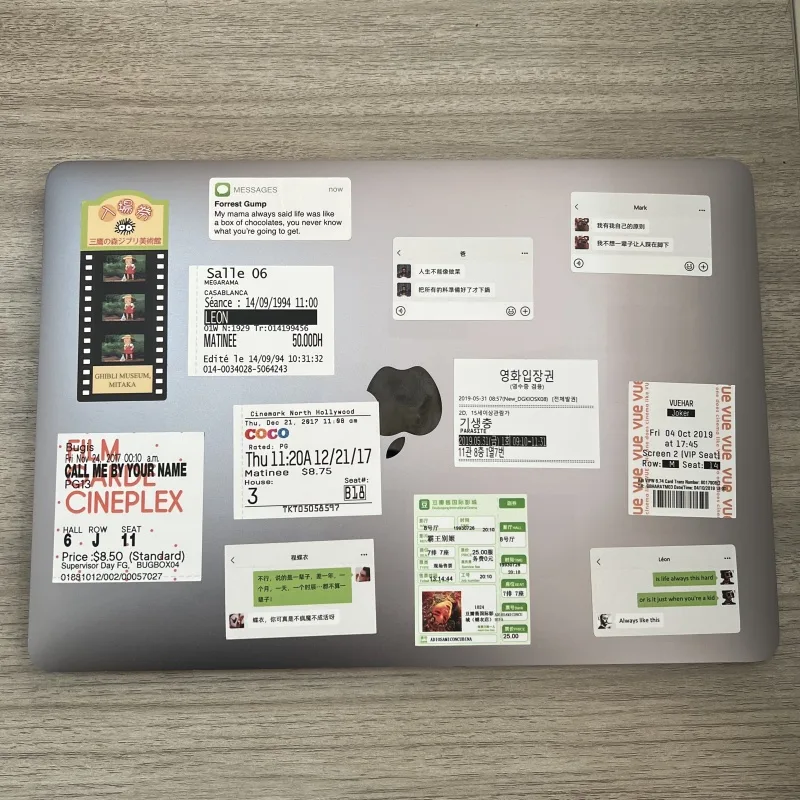
Die-cut to your outline or kiss-cut on a sheet. Gloss, matte, holographic or clear.
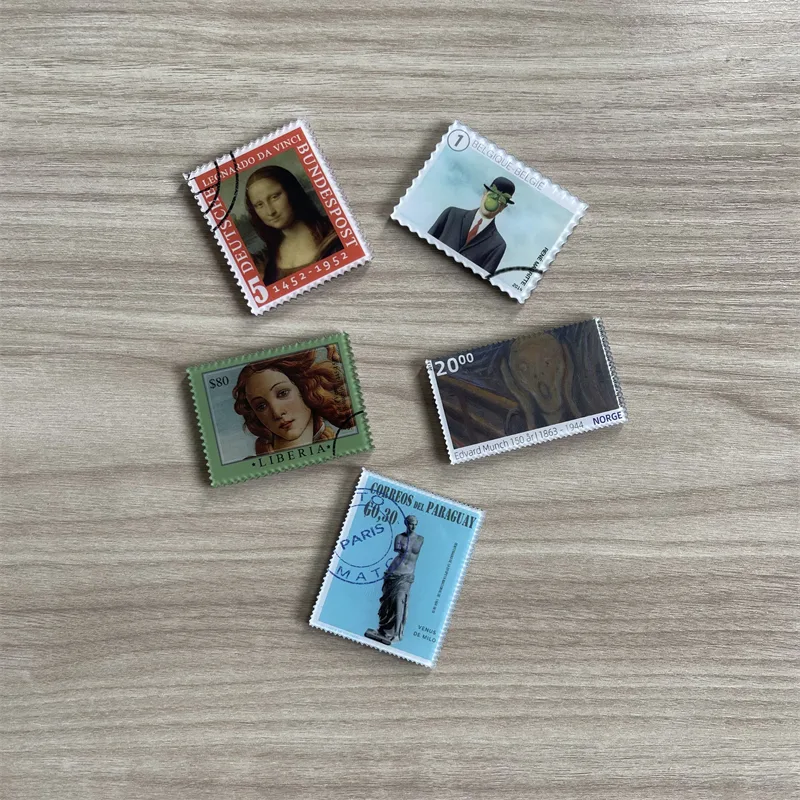
Fridge Magnets
The same artwork, a different object on the shelf. Printed, domed and backed to hold what you need it to hold.
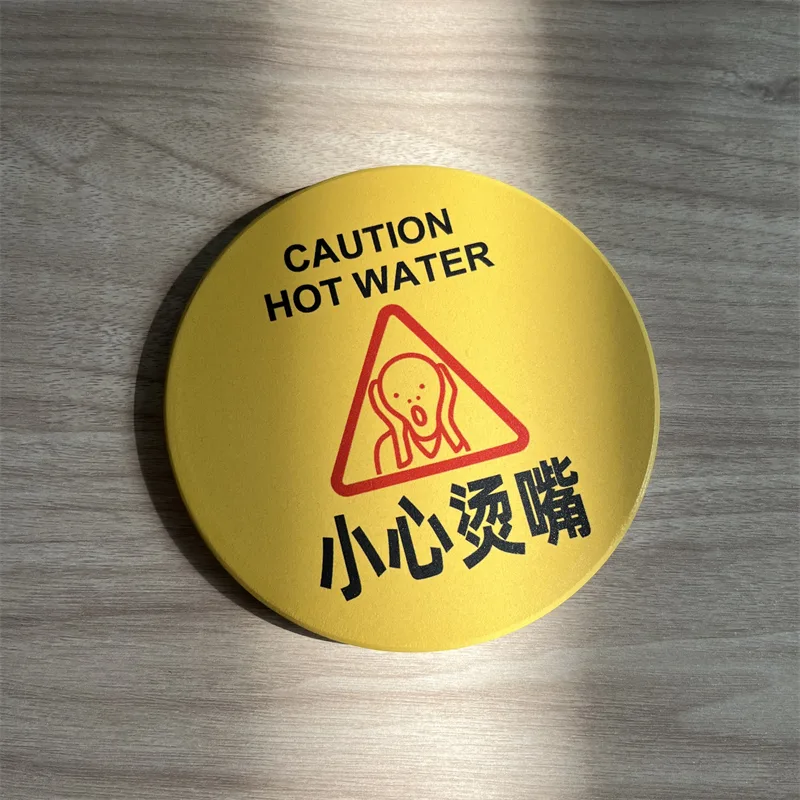
Badges & Pins
Pin-back badges pressed to size. Loud artwork, low unit cost, easy to add to any order.
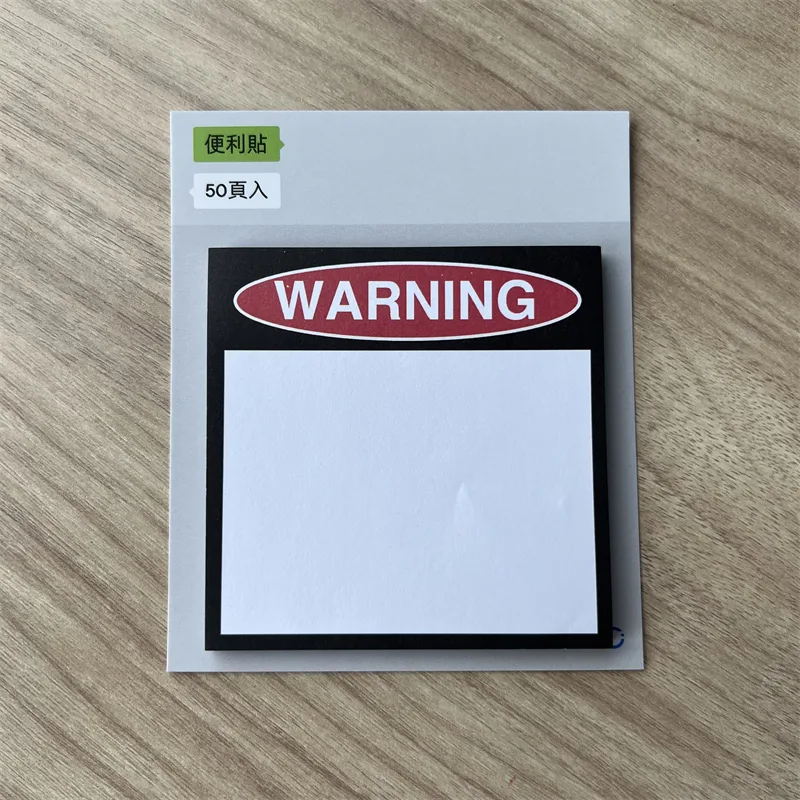
Sticky Notes
Repositionable pads with your artwork on the cover, the edge, or every single sheet.
KEEP READING