
How should you package custom merch? Bags, cards and boxes by sales channel
Packaging is a system, not an accessory: a bag protects, a card presents, a hang hole displays, a box gifts. Match the minimum system to how the merch will actually be sold.
OFFPRESS editorial · Researched against external sources · Stage: First order · 6 Sept 2026
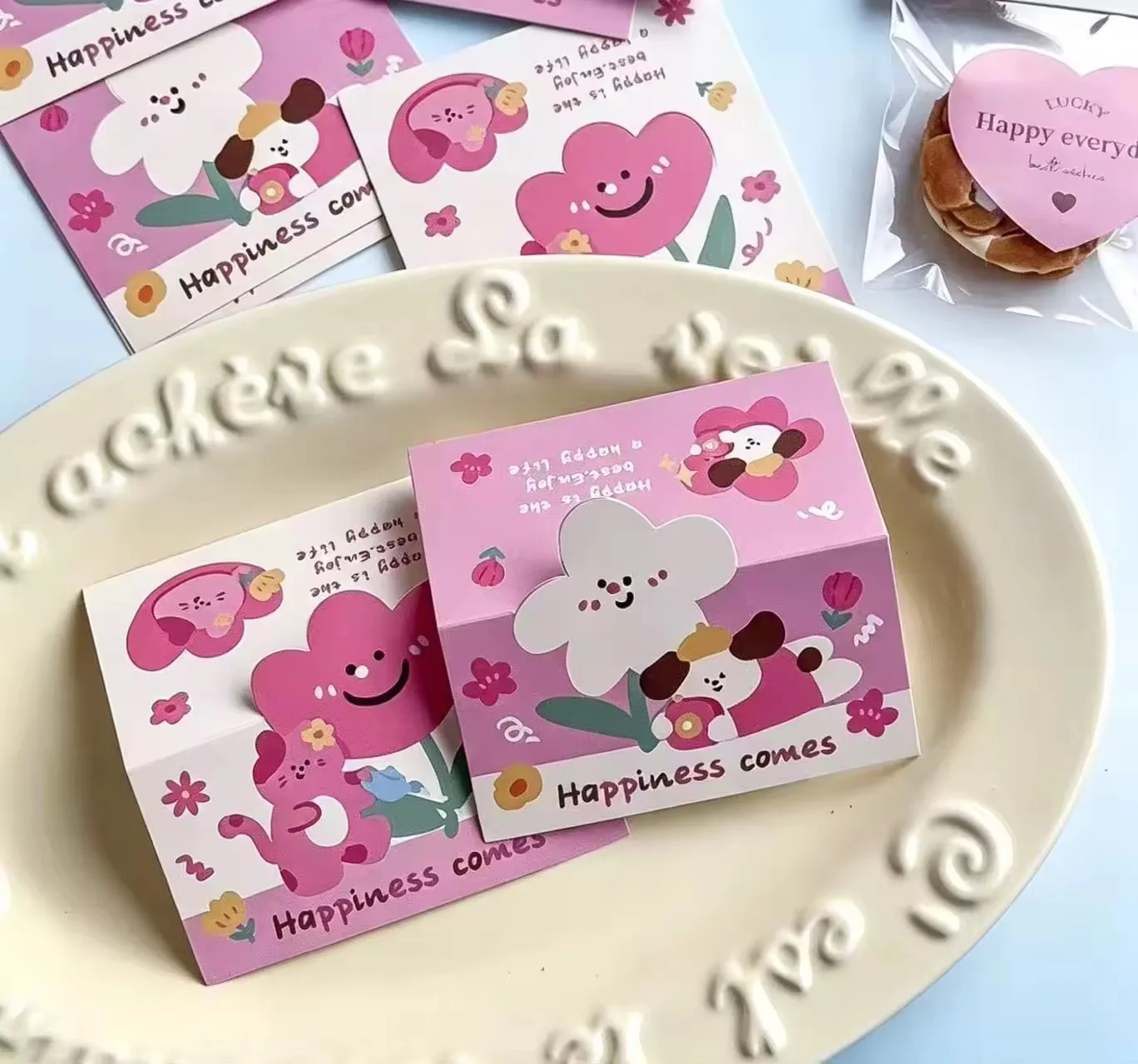
Packaging questions usually arrive as “what packaging can I get?” — which is the wrong first question. The useful question is: how will this merch be sold, shipped, displayed, or given? The answer picks the packaging, because each format exists to do one job.
The short answer: packaging is a minimum system — a bag protects, a card presents, a hang hole displays, a box gifts. Start from the sales channel, add the smallest set of formats that covers what that channel demands, and stop there. More packaging is not automatically better; it usually means more cost, more assembly, and more ways for the pack to go wrong.
The four jobs packaging does
Almost every packaging option you’ll be offered is doing one (or two) of these jobs:
| Job | What it looks like | When you need it |
|---|---|---|
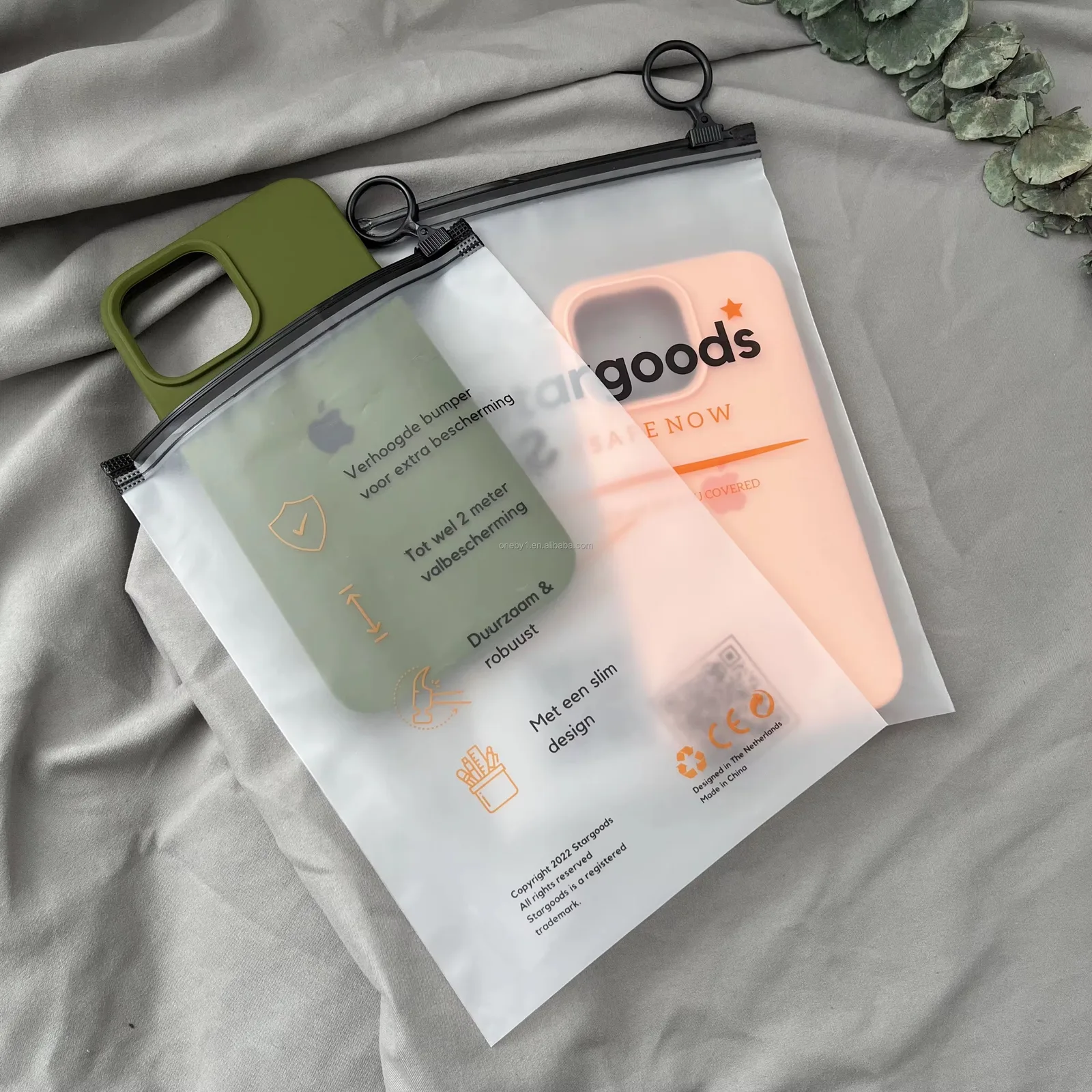
| Protect | Clear poly bag (OPP), rigid mailer, chipboard backing | Always. Even the simplest order needs the product to arrive clean |
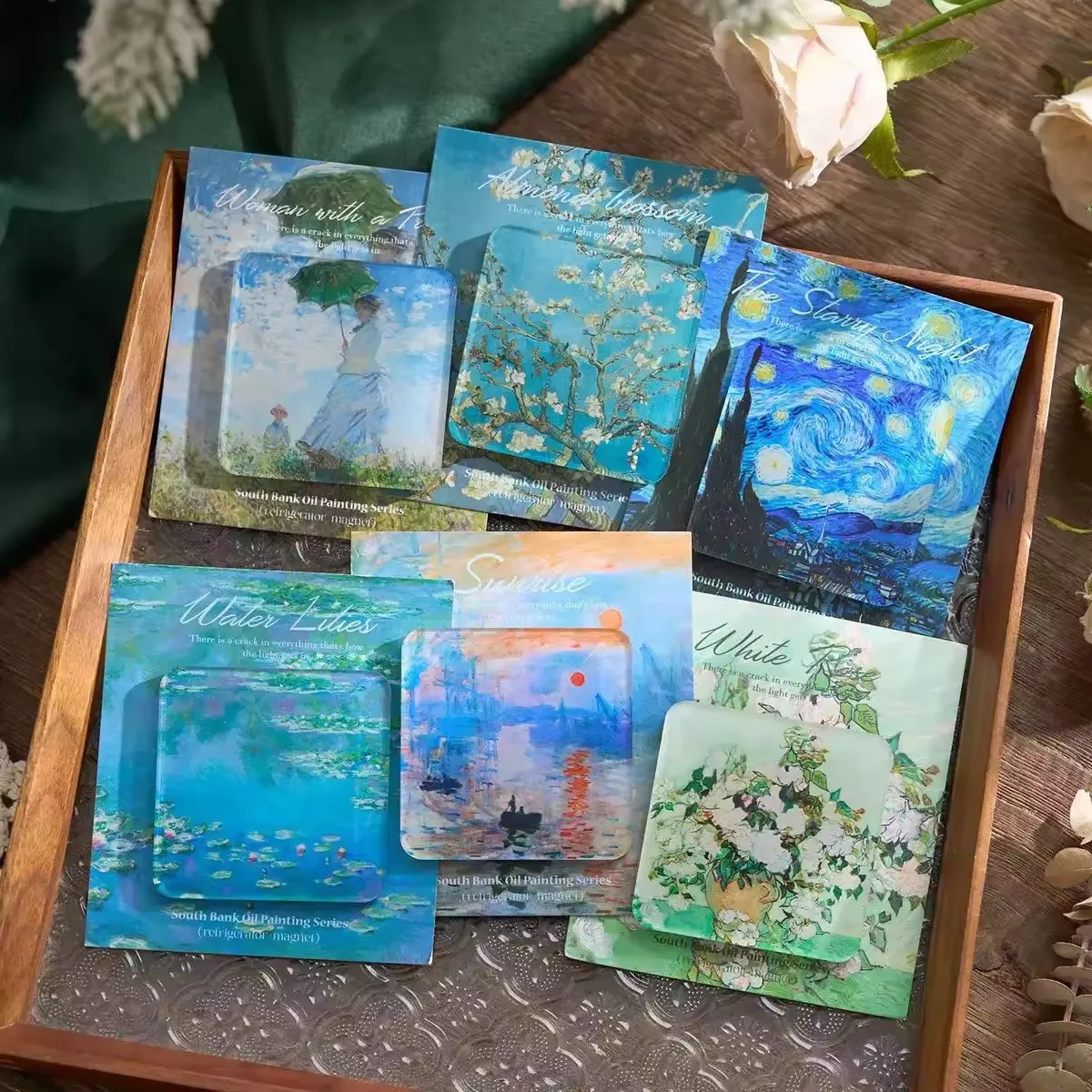
| Present | Printed backing card behind the product, or an insert card in the bag | When the product must look finished on a table or in a storefront — keychains, pins, magnets, sticky note pads |
| Display | Header card on top of the bag, hang hole (round or euro slot), barcode/SKU label | When someone else sells it for you: retail, wholesale, peg displays |
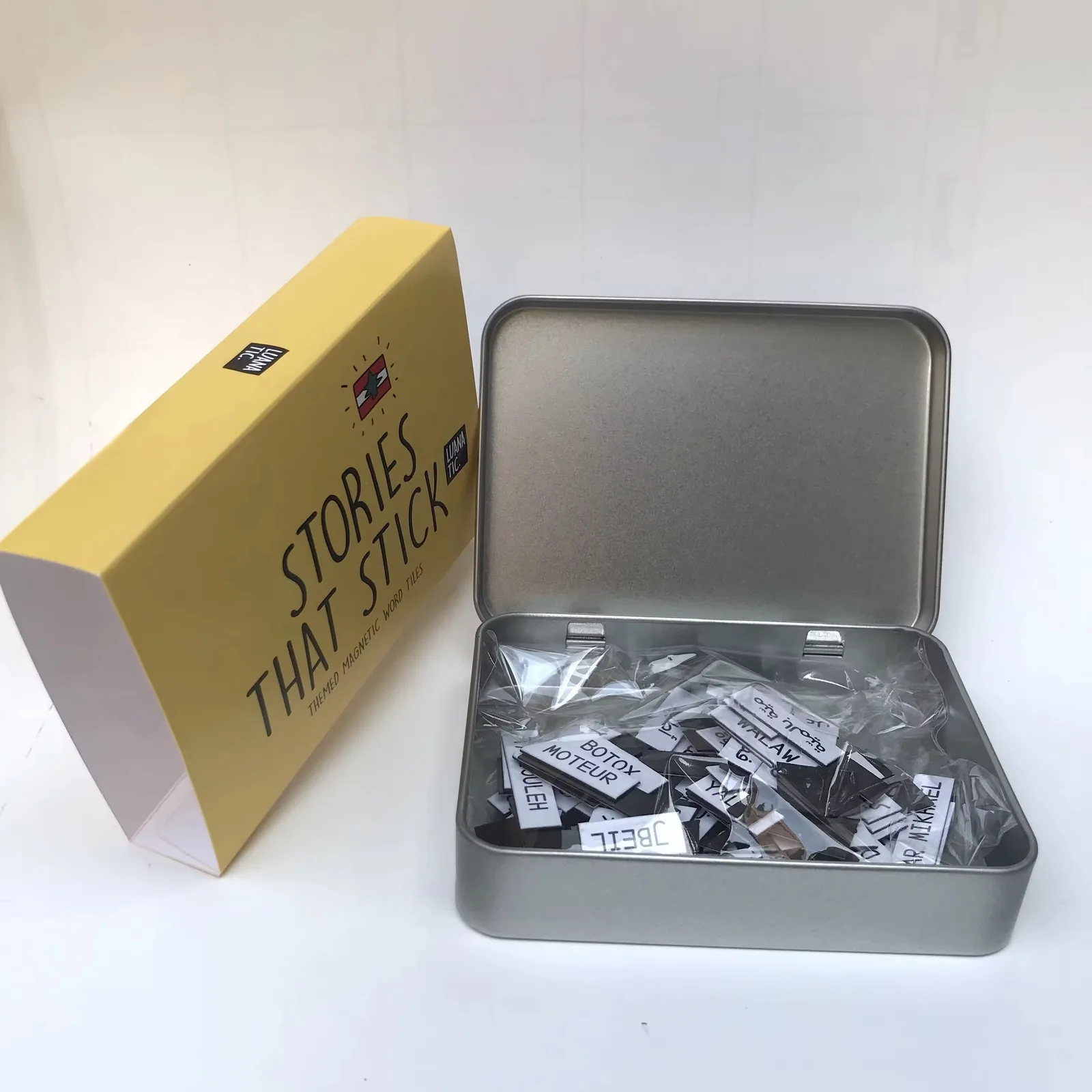
| Gift | Tin, box, sleeve + tray, pouch | When the packaging is part of the product: sets, collector pieces, corporate gifting |
Supplier catalogues list these as options; the tiering is real and consistent across the industry — bag only → bag + card → hang-hole retail pack → box or tin. One pin manufacturer’s own guide ranks poly bag as the basic tier, backing cards as the mid tier, and display boxes as the high end; a major acrylic-goods supplier sells backing cards and hard plastic cases as exactly those two levels for keychains.
Match the system to the channel
| Channel | What the packaging must do | Minimum system that usually works |
|---|---|---|
| Market stall / convention | Survive a table, be picked up and handled, sell in seconds | Product on a backing card so it stands out and stays handled-clean; bag it after the sale for the customer’s bag |
| DTC / Etsy-style shipping | Survive the postal system, arrive as a brand moment | Bag + backing card or insert; flat goods ride on chipboard inside a rigid mailer — a common Etsy-seller setup is glassine or poly bag, chipboard, rigid envelope |
| Retail / wholesale / peg display | Hang on a hook, carry price and barcode, survive strangers | Header card + bag with a hang hole (round, euro slot or sombrero — ask which hook the store uses), barcode label applied per SKU |
| Gift / collector edition | Be part of the present | Box, tin or sleeve — and expect the packaging cost to be discussed as its own line, not an afterthought |
| Bundle / set | Keep the set together and countable | Sleeve + tray, tin, or a bag with a printed insert stating the count |
| You re-pack locally | Protect in bulk cartons | Bulk pack + the simplest individual bag; skip printed cards you’d only throw away |
Why “add more packaging” is usually the wrong instinct
Three costs grow faster than the benefit:
- Money — twice. You pay for the extra component, and then you pay again for the assembly, because someone has to staple every header card, insert every product, apply every label. At production quantities that’s hundreds of repetitive steps per order.
- Interference. Packaging can work against the product: a magnet strong enough to hold a poster will snap through a thin bag onto its neighbour; a bag can dull a printed surface it rubs against; a card can hide the exact artwork the buyer chose. The fix is almost always different packaging, not more.
- Decision debt. Every packaging line multiplies: 4 designs × 2 pack styles is 8 pack configurations to quote, track, and check on arrival. This is a production-control problem, and it’s the reason packaging belongs in the order conversation, not after it.
Your products are not all the same shape problem
The same system scales across most small merch, but each product adds one question:
- Keychains & pins — presentation is the question: the backing card does most of the selling. Design the card as its own piece.
- Stickers — protection is the question: flat and light, they travel well, but they bend. Sticker packs at retail are a bag + header card system; single stickers shipped far just need stiff backing.
- Fridge magnets — the magnet itself is the hazard: it snaps through thin film and can scratch its own printed face. A bag per magnet plus a card keeps them apart and presentable.
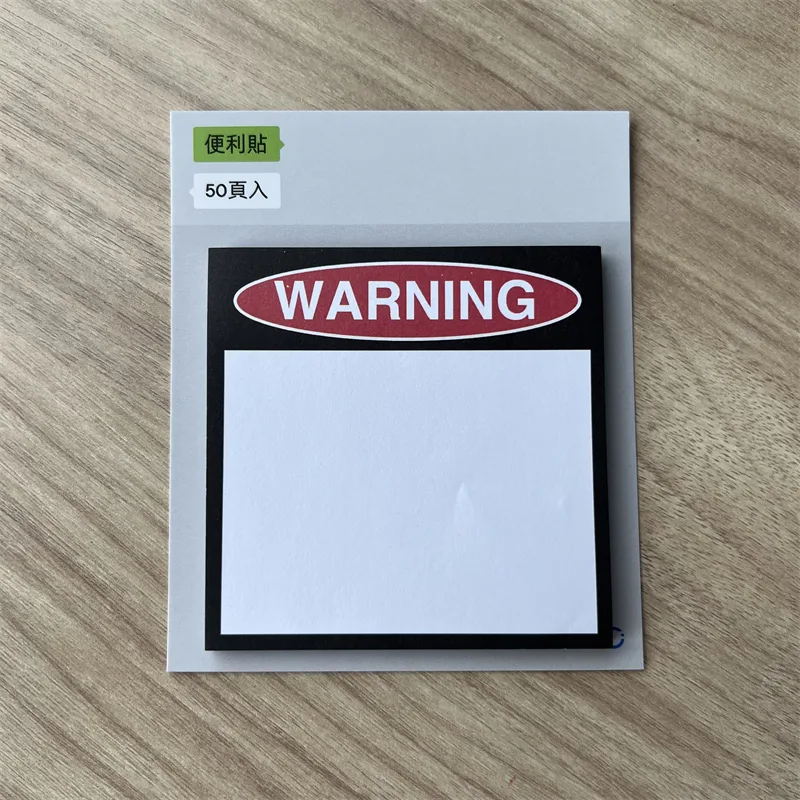
- Sticky notes — the pack carries information: pad on a card with the sheet count printed or labelled, so the buyer knows what “one unit” is.
- Phone cases — retail-ready usually means a fitted pouch or box with a printed insert and a hang option; the case can’t be allowed to scuff, so the insert does the presenting.
- Mouse pads & desk mats — the transport decision is flat vs rolled, and it’s genuinely a product decision: tight rolling can set a curl into a rubber-backed pad, which is why some pad brands ship flat or in wide cartons instead of tubes (which pad you’re making changes this too).
Where packaging sits in the order
Packaging decisions are order decisions — they change what gets quoted, what gets assembled, and what you approve. So put the packaging line in the brief from the start: “individually bagged, mounted on backing cards, sheet-count label on front” is one sentence that saves a round of emails. The quote brief is where it belongs, and the packed unit — not just the flat product — is what your sample approval should cover.
For us: packaging is quoted with the product, per job. Tell us how the merch will be sold and we’ll propose the smallest system that works — you confirm it in writing before anything is produced.
Researched and written by the OFFPRESS editorial desk. General production principles are kept separate from order-specific figures — anything that depends on your job (lead time, sample cost, freight) is marked as confirmed with your quote, not stated as a blanket promise.
SOURCES & FURTHER READING
RELATED PRODUCTS
Acrylic Keychains
Cast acrylic, UV printed, cut to your outline. Epoxy, holographic or flat — your call.
Stickers
Die-cut to your outline or kiss-cut on a sheet. Gloss, matte, holographic or clear.
Fridge Magnets
The same artwork, a different object on the shelf. Printed, domed and backed to hold what you need it to hold.
Badges & Pins
Pin-back badges pressed to size. Loud artwork, low unit cost, easy to add to any order.
Sticky Notes
Repositionable pads with your artwork on the cover, the edge, or every single sheet.
KEEP READING