
Vector vs raster artwork for custom merch: what actually matters
Why vector files scale and pixel files don't, when a PNG is genuinely fine, and how to check whether your artwork will survive production size — in plain terms.
OFFPRESS editorial · Researched against external sources · Stage: Preparing artwork · 2 Sept 2026
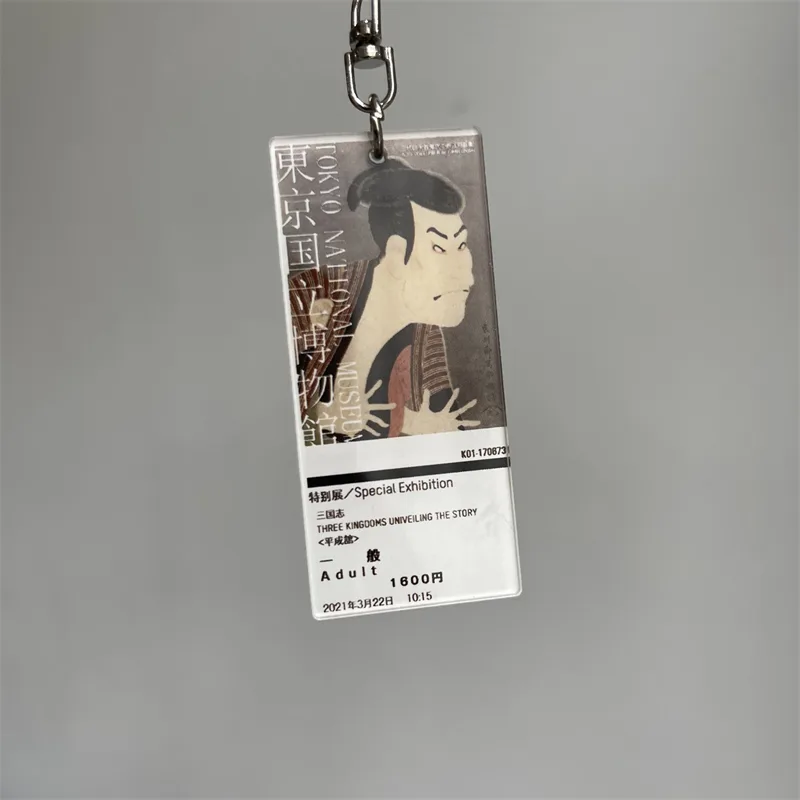
Every merch order starts with a file, and the file comes in one of two species: vector (shapes described by math) or raster (a grid of coloured pixels). Which one you have — and how it was made — decides more about your finished product than any choice you make afterwards.
The short version
- Vector (AI, EPS, SVG, PDF-with-vector): scales to any size with zero quality loss, because there are no pixels — just formulas. Lines stay razor sharp at 20 mm or 2 m.
- Raster (PNG, JPG, PSD, TIFF): fixed pixels. Look perfect at the size it was made for; blur or pixelate when enlarged beyond it.
Logos, text, flat shapes and line art want to be vector. Photos and painterly, textured art are raster by nature — and that’s fine, as long as the resolution is right at production size.
The mistake that ruins more orders than any other
A raster file that was made small. A 500×500 px image printed at 80 mm has roughly 160 pixels per inch — under magnification you see the grid, not the art. The classic version of this: artwork saved from a messaging app, or exported from a design tool at screen resolution (72–150 PPI looks fine on a monitor because monitors are viewed at arm’s length; print is inspected at 20 cm).
The fix is to know one number: pixels per inch at final production size. The math is simple:
pixel dimension ÷ printed size in inches = effective PPI
A 1000 px file printed at 2 inches (≈50 mm) is 500 PPI — generous. The same file printed at 5 inches is 200 PPI — visibly soft on close inspection. The common industry benchmark is 300 PPI at final size, which most printers including major merch vendors ask for; it’s a strong convention rather than a physics constant, but it’s the number to plan around.
Worked example: an 800×800 px export for a 50 mm charm works out to about 406 PPI — comfortably above the line. The printed pieces in our product galleries hold crisp text at charm sizes, which is what correct pixel-count preparation looks like in the finished object.
Two related traps
JPG for line art. JPG compression is lossy and creates blocky artifacts exactly where logos have flat colour, small text and hard edges. It’s the wrong container for most merch artwork — PNG (lossless) or the original vector avoids it entirely. Also beware re-saving: every JPG re-save recompresses.
“I’ll just upscale it.” Enlarging a raster file adds pixels by interpolation — the software invents them, and no new detail appears because none existed. A 500 px file upscaled to 2000 px is still a 500 px photograph of your artwork. Resolution is fixed at creation; start over at a larger canvas (or in vector) instead.
A note on “the supplier will fix it”
Many suppliers will rebuild or re-draw simple artwork, and some vendors generate cut lines for you. But re-drawing is interpretation: your design passes through someone else’s judgement. If exactness matters to you (and with your own artwork, it usually does), supplying clean, production-ready files is the cheapest way to keep control of the result. What a supplier can do with a rough file — flag it, fix it, or quote the redraw separately — is worth asking before you commit; ours confirms it with the quote.
What to send
| Artwork type | Best file | Why |
|---|---|---|
| Logos, text, flat/line art | AI, SVG, EPS or vector PDF | Infinitely scalable, razor edges |
| Painterly / photographic art | PNG or layered PSD at 300 PPI at final size | Lossless, full pixel information |
| Avoid | JPG (especially re-saved), screenshots, messaging-app files | Compression artifacts on exactly the details that matter |
That’s the general principle. Any supplier’s specific format list — ours is AI, PSD, PDF, PNG or SVG, vector preferred — belongs on their spec sheet, and at OFFPRESS it’s confirmed in writing with your quote rather than assumed.
Researched and written by the OFFPRESS editorial desk. General production principles are kept separate from order-specific figures — anything that depends on your job (lead time, sample cost, freight) is marked as confirmed with your quote, not stated as a blanket promise.
RELATED PRODUCTS
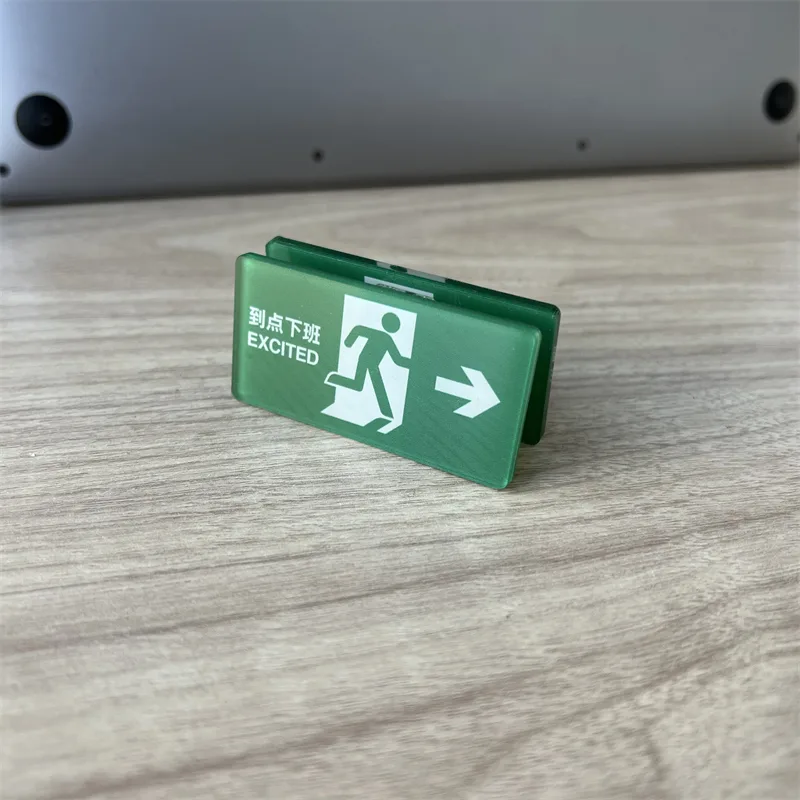
Acrylic Keychains
Cast acrylic, UV printed, cut to your outline. Epoxy, holographic or flat — your call.
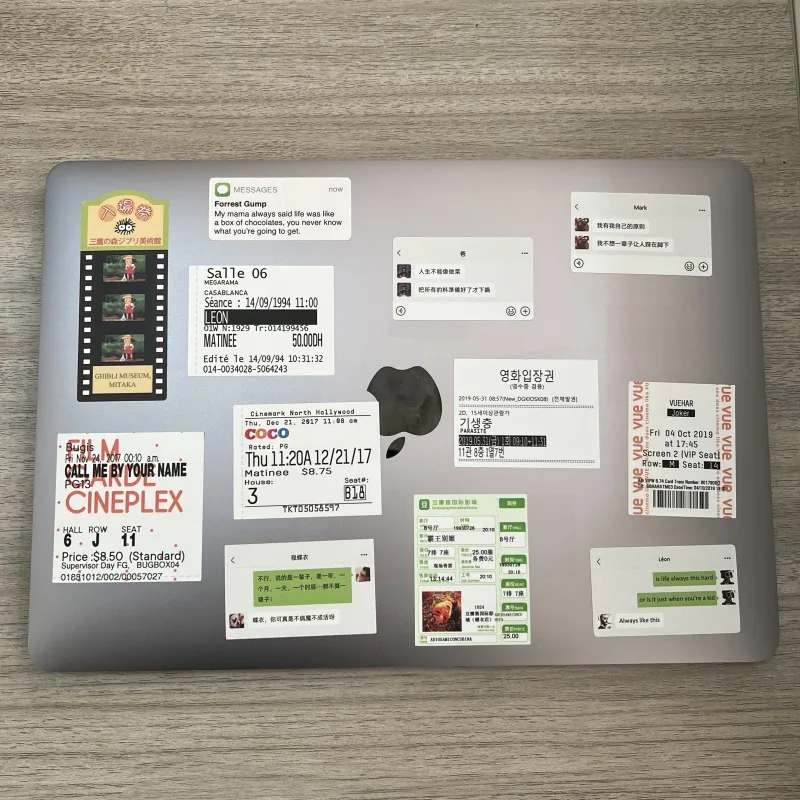
Stickers
Die-cut to your outline or kiss-cut on a sheet. Gloss, matte, holographic or clear.
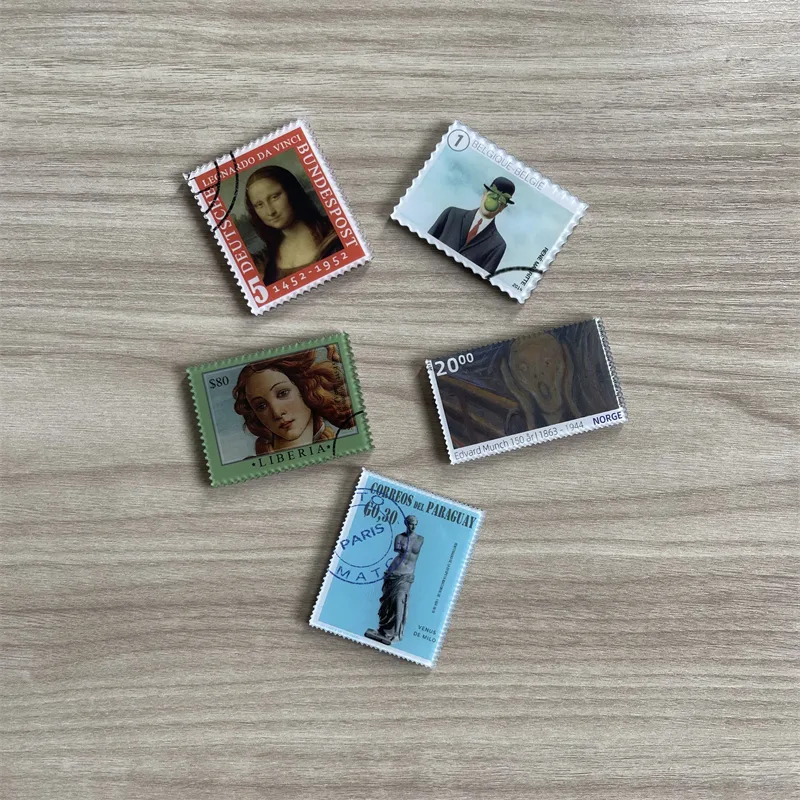
Fridge Magnets
The same artwork, a different object on the shelf. Printed, domed and backed to hold what you need it to hold.
Badges & Pins
Pin-back badges pressed to size. Loud artwork, low unit cost, easy to add to any order.
Sticky Notes
Repositionable pads with your artwork on the cover, the edge, or every single sheet.
KEEP READING