
When should you test a second merch supplier?
Six situations where finding a backup supplier stops being disloyalty and becomes basic risk management — from a founder who spent years buying these products before making them.
Alex, founder · Written from first-hand experience · Stage: Comparing suppliers · 2 Sept 2026
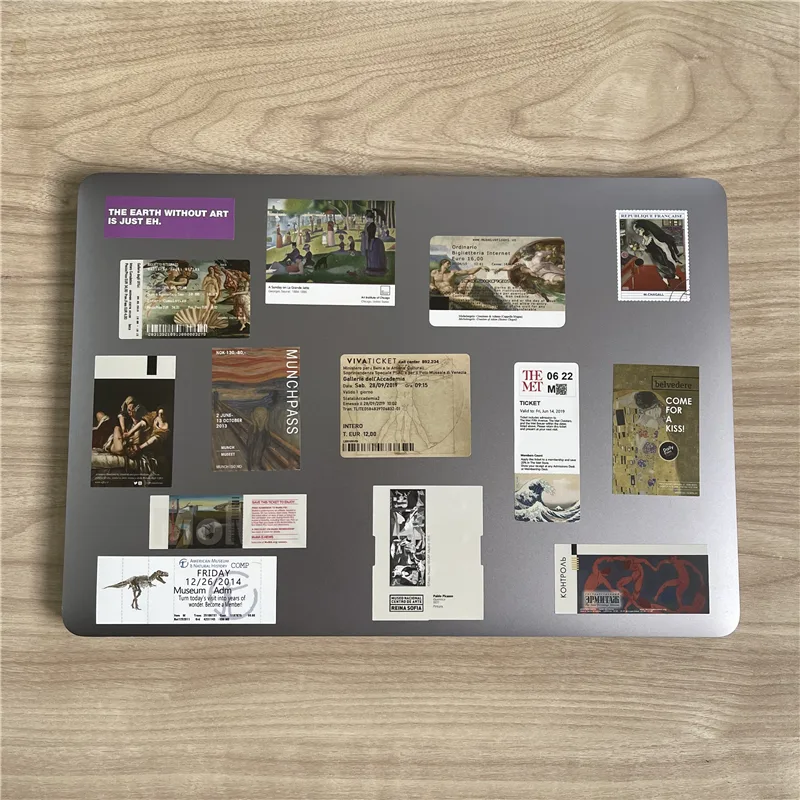
If you already have a supplier who ships on time and the quality is fine, looking for another one can feel like a betrayal. It isn’t. On the buying side I stayed loyal for exactly as long as it made sense — and the times it stopped making sense followed a pattern.
Here are the six moments when I went looking, and when most serious buyers do.
1. Your quantities grew
The price you got at 100 pcs was a price for 100 pcs. At 500 or 1,000, the market changes: setup costs amortize differently, and the supplier who was sharp at small volume isn’t automatically sharp at scale. Every time my quantities stepped up, I re-quoted the same design elsewhere. Sometimes my incumbent matched. Sometimes I learned I’d been overpaying for a year.
2. You want a quality benchmark, not just a better price
A reorder that matches your first run doesn’t tell you whether your supplier is good — it only tells you they’re consistent. To know if better finishing, cleaner edges or more accurate colour exists at your price point, you need someone else’s sample of the same design in your hand. That’s not dissatisfaction; it’s calibration.
3. A launch, a con, or a drop could sell out your capacity
The scariest message in e-commerce is “selling faster than expected, can your supplier keep up?” If one factory is your single point of failure, a good month becomes a customer-service disaster. Buyers who’ve been burned once — orders promised for a convention date that shipped after it — start keeping a second supplier warm before they need one. I’ve been on the late-shipment side of this as a buyer, and it’s why I treat backup capacity as inventory planning, not paranoia.
4. Service has slipped
Slow replies and missed promised dates rarely announce themselves. They creep: replies that took hours now take days, an order that needed one chase now needs three. If you’re composing your third “any update?” message of the month, you’re already managing a transition — the only question is whether you do it before or after the busy season.
5. A new product or technique your current supplier can’t do
Your keychain supplier may not do holographic bases. Your sticker printer may not dome. When the product line expands, the honest move is testing specialists instead of pretending one factory is infinitely capable.
6. You’re still in the market — even when things are fine
This one took me longest to accept. Buyers who treat sourcing as a one-time decision get surprised by it; buyers who treat it as ongoing get resilient. Even with a supplier I liked, I kept a rough file of alternatives: who quoted well last quarter, who replied fast, who sent real samples. When something broke, I wasn’t starting from zero.
What “testing” should cost you
Almost nothing, if you do it small. The move is one design, one product, a quantity you can afford to give away — then hold both pieces in your hands and compare. Nobody moves their whole line based on a sample, and nobody should.
The details are in how to test a new supplier without moving your whole merch line, and the scoring framework is in how to compare two suppliers on the same artwork.
That’s the whole idea behind OFFPRESS: you don’t have to replace your supplier to test us. One design, a small run, a written spec sheet. If we’re not better on any dimension you care about, you’ve lost one email.
Alex founded OFFPRESS after years working around physical-product businesses and buying and selling custom merchandise. Pages attributed to Alex are grounded in that first-hand experience — nothing here is invented to fill a content calendar.
RELATED PRODUCTS
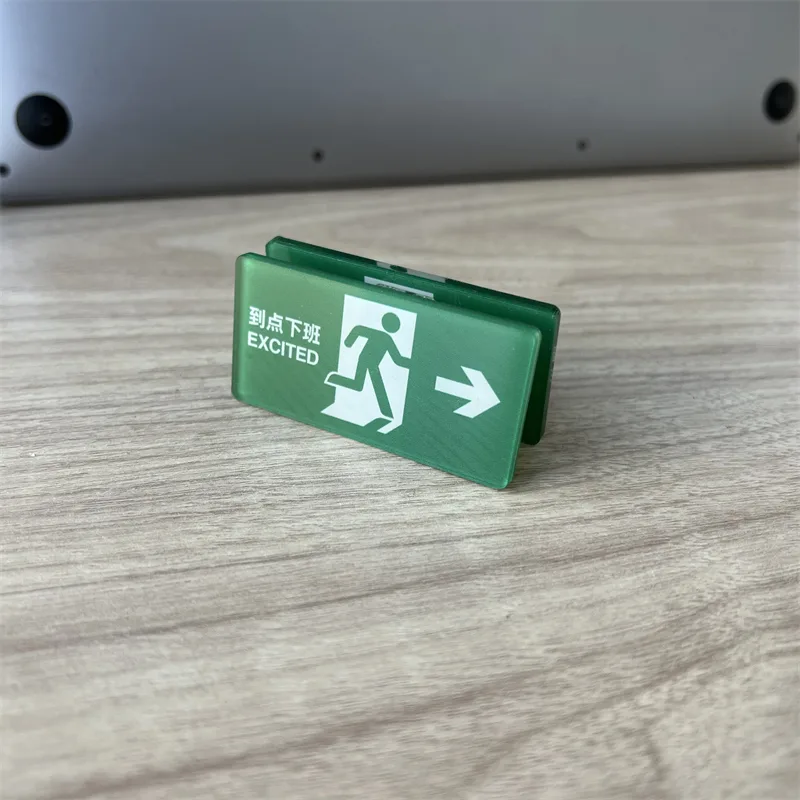
Acrylic Keychains
Cast acrylic, UV printed, cut to your outline. Epoxy, holographic or flat — your call.
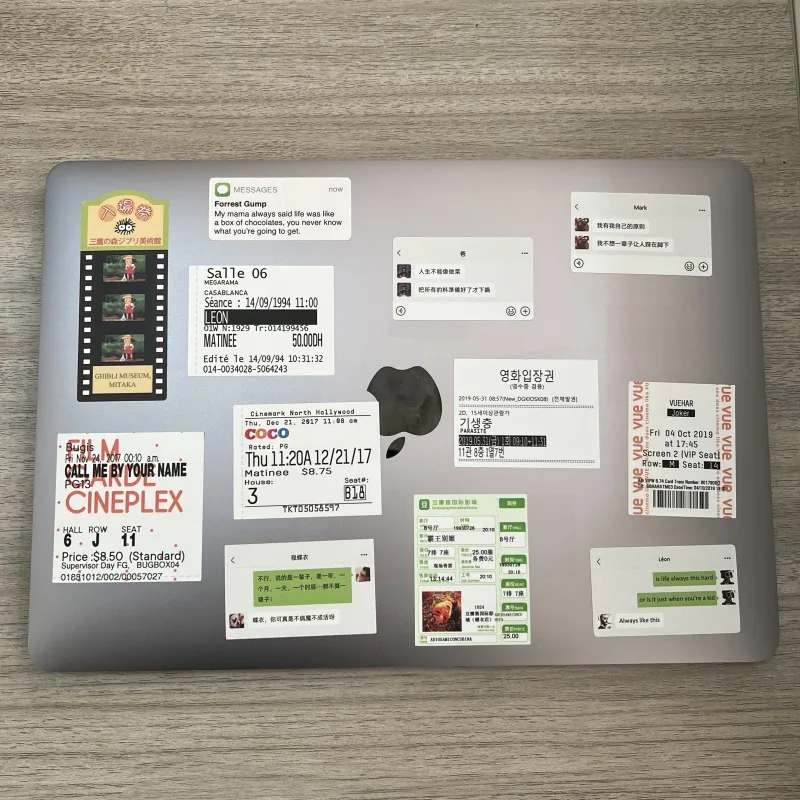
Stickers
Die-cut to your outline or kiss-cut on a sheet. Gloss, matte, holographic or clear.
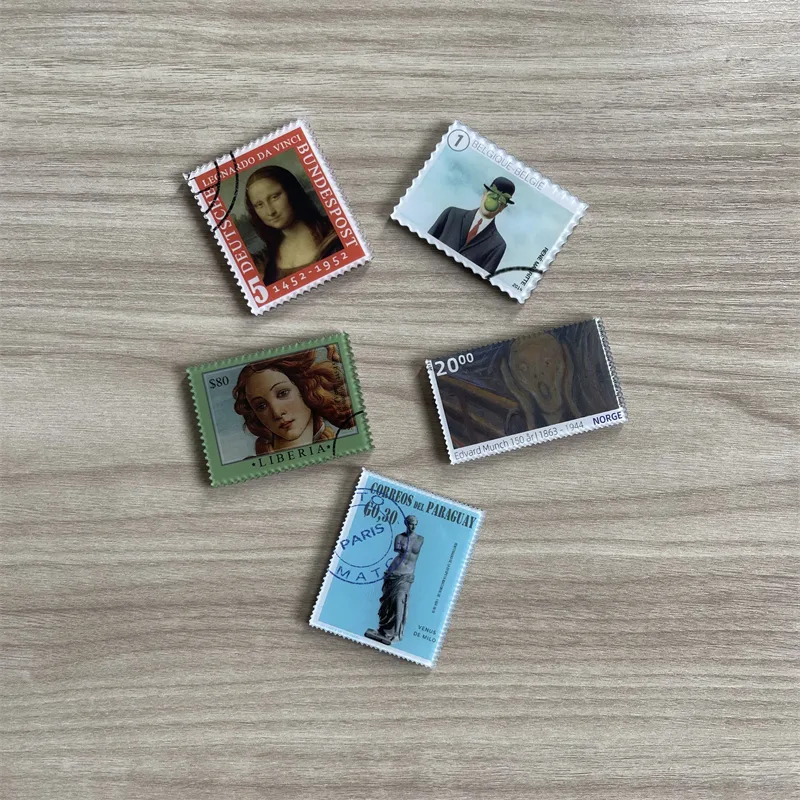
Fridge Magnets
The same artwork, a different object on the shelf. Printed, domed and backed to hold what you need it to hold.
KEEP READING