
How to test a new supplier without moving your whole merch line
The one-SKU test: how to try a new custom merch supplier with a single design and a small run, keep the comparison fair, and know exactly what to look at when both samples arrive.
Alex, founder · Written from first-hand experience · Stage: Comparing suppliers · 2 Sept 2026
Switching suppliers feels like a big decision, so most people treat it like one — and never test anyone. But you don’t switch suppliers to test one. You test with one design, one product, one small run, and the whole experiment fits inside a normal reorder budget.
This is the method I used on the buying side, and the one we’re built to receive on the supply side.
The one-SKU test, step by step
1. Pick a design you already sell. Not your newest artwork — a proven one. You already know what the correct version looks and feels like, which is the entire basis of the comparison. If you only have new designs, pick the one with fine text or tricky colour, because that’s where differences show.
2. Freeze the spec in writing. Size, material, thickness, finish, attachment, packaging, quantity — one line each, written down, sent identically to the new supplier (and, if you want a true benchmark, to your current one). The comparison framework has the exact format.
3. Order a quantity that is a real production run, but a small one. Not a sample of one — samples don’t tell you how a run looks. Something in the 50–150 range is enough for most merch products to reveal consistency: are piece #3 and piece #80 identical?
4. Change nothing else. Same artwork file, same destination address format, same deadline pressure you’d normally have. A test with special treatment measures the special treatment, not the supplier.
What to look at when the order arrives
Open both boxes (new supplier and your reference piece) and check, in this order:
| Check | What it tells you |
|---|---|
| Colour against your reference piece | Whether their CMYK process and calibration match what you sell — the single most common failure. |
| Print detail under close look | Fine lines, small text, gradients. This is where cheap production shows first. |
| Edges and cut accuracy | Smooth polished edges vs chipped or cloudy ones; cut within the outline. |
| Thickness and weight | Matches the spec you asked for, and matches across the batch. |
| Finish behaviour | Dome evenly applied? Holographic aligned with the artwork? Matte actually matte? |
| Hardware & assembly | Chains, clasps, pin backs — attached securely, oriented correctly. |
| Consistency across the batch | Sort the whole run into “perfect / acceptable / reject”. The reject rate is your real quality number. |
| Packaging state | Did it survive shipping? Did they pack it the way they promised? |
| Paper trail | Did you get the spec sheet you approved, and does the product match it? |
Photograph everything before you decide anything. If a dispute comes later, photos of the batch as it arrived are worth more than any description.
The unfair advantages to watch for
Two things can skew a small test, in either direction:
- Hand-picked samples. If what arrives looks hand-selected while the bulk run is untested, you’ve evaluated their sample bench, not their production line. That’s why step 3 insists on a real small run.
- A rushed order. If you need the test order “in two weeks or it’s useless”, you’ve removed their normal scheduling and doubled the chance of an unrepresentative result. Test in your off-season, not your peak.
What to do with the result
Three outcomes, all useful:
- New supplier matches or beats. You now have a second source — split a future order, or keep them warm for capacity.
- New supplier is close but behind. Keep the quote and spec sheet on file. Suppliers change; re-test in a year.
- New supplier is clearly worse. You’ve paid a small run to learn your incumbent’s quality is genuinely good — which is worth knowing too.
Either way, keep the approved sample from every order you place, with any supplier. It’s the reference your next reorder gets checked against — more on that in planning a reorder of a winning design.
If you want to run this test on us: send one design through the quote form, any quantity you’re comfortable with. The spec sheet comes back in writing so you can put it next to the one you already use.
Alex founded OFFPRESS after years working around physical-product businesses and buying and selling custom merchandise. Pages attributed to Alex are grounded in that first-hand experience — nothing here is invented to fill a content calendar.
RELATED PRODUCTS
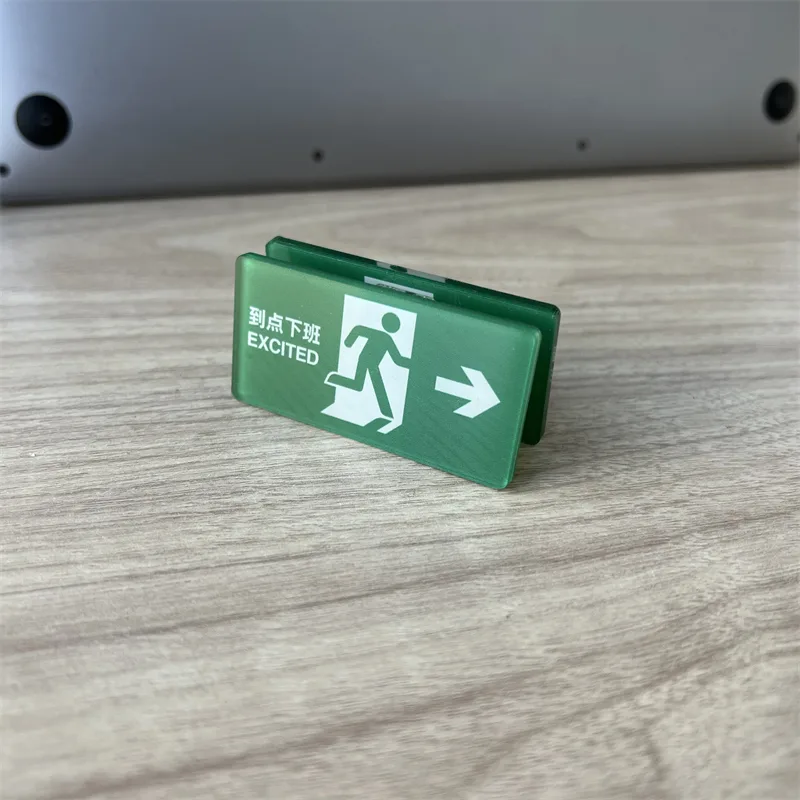
Acrylic Keychains
Cast acrylic, UV printed, cut to your outline. Epoxy, holographic or flat — your call.
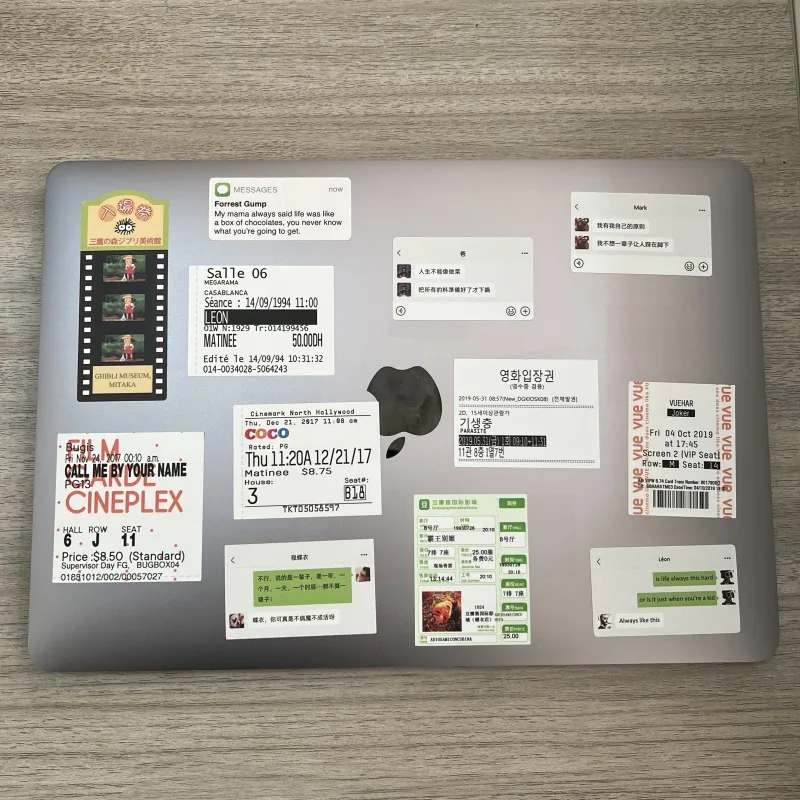
Stickers
Die-cut to your outline or kiss-cut on a sheet. Gloss, matte, holographic or clear.
KEEP READING