
One supplier or several for a growing merch business?
The honest trade-offs of single-sourcing versus splitting orders across suppliers — cost, consistency, risk, capacity and management overhead, without the absolute advice.
Alex, founder · Written from first-hand experience · Stage: Scaling · 2 Sept 2026

At some volume, every merch business meets the same question: should the whole line stay with one supplier, or should orders be split across two or more?
There is no universal answer — anyone who gives you one hasn’t seen your numbers. What I can lay out is the trade-off as it actually felt on the buying side, including the one situation that pushed me to multi-sourcing.
The five dimensions that actually move
| Dimension | One supplier | Multiple suppliers |
|---|---|---|
| Unit cost | Usually better — full volume in one place, stronger position to negotiate breaks. | Slightly worse per piece at first; each supplier gets less volume. Improves if you shift share to whoever performs. |
| Consistency | Best case: one standard across the whole line. Worst case: one bad month poisons everything. | Each supplier is a different standard — more samples to keep, more specs to police. |
| Capacity risk | All of it on one factory. A good month can break your lead times. | A stock-out at one supplier is an order rerouted, not a store emptied. This is the strongest argument for a second source. |
| Relationship leverage | You matter less as volume splits elsewhere; you matter more as you concentrate. | Parallel quotes keep everyone honest — renegotiation runs on live alternatives, not hope. |
| Management overhead | One relationship, one invoice flow, one set of quirks to learn. | Double the communication, specs, samples and paperwork. Real cost, usually underestimated. |
When single-sourcing is right
- You’re under ~a few hundred pieces per product per cycle — the overhead of splitting outweighs the risk it hedges.
- Your supplier has never missed a date and communicates in hours, not days.
- Your products share one construction (all acrylic, say) where one factory’s specialization shows.
When a second source starts earning its keep
- Volume has grown to where a stock-out costs real money. This is the trigger I’ve lived through: production promised for a peak week arrives late, and there is nowhere to redirect. Splitting the next cycle — even 70/30 — converts that from catastrophe to inconvenience.
- You’re re-quoting anyway. Growth means re-benchmarking price; if you’re testing a second supplier, you’re one small order away from being multi-source.
- Your products are diverging. Keychains with domes, magnets with different backings — different specializations often mean different factories anyway.
The middle path most growing businesses land on
Primary plus backup: one supplier gets 70–90% of volume, a second gets a small standing order or is kept warm with an occasional run. You keep the simplicity of single-sourcing with an escape hatch that’s actually tested — an untested backup is a phone number, not a plan.
The cost of that standing order is real. Treat it as insurance premium: you’re buying the ability to ship during your best month, which is exactly when a single source fails.
How to decide in one evening
- Write down what a two-week stock-out before your busiest period would actually cost you. If that number stings, you have your answer about a backup.
- Check your last three orders: did anything arrive late, or need chasing? Twice means the service curve is bending.
- Price your best-selling design at your target quantity with one alternative supplier (same spec, same brief). Now you know what the insurance costs — maybe it’s nothing.
That third step — pricing one design elsewhere while staying perfectly happy — is the single healthiest habit I carried over from the buying side.
Alex founded OFFPRESS after years working around physical-product businesses and buying and selling custom merchandise. Pages attributed to Alex are grounded in that first-hand experience — nothing here is invented to fill a content calendar.
RELATED PRODUCTS
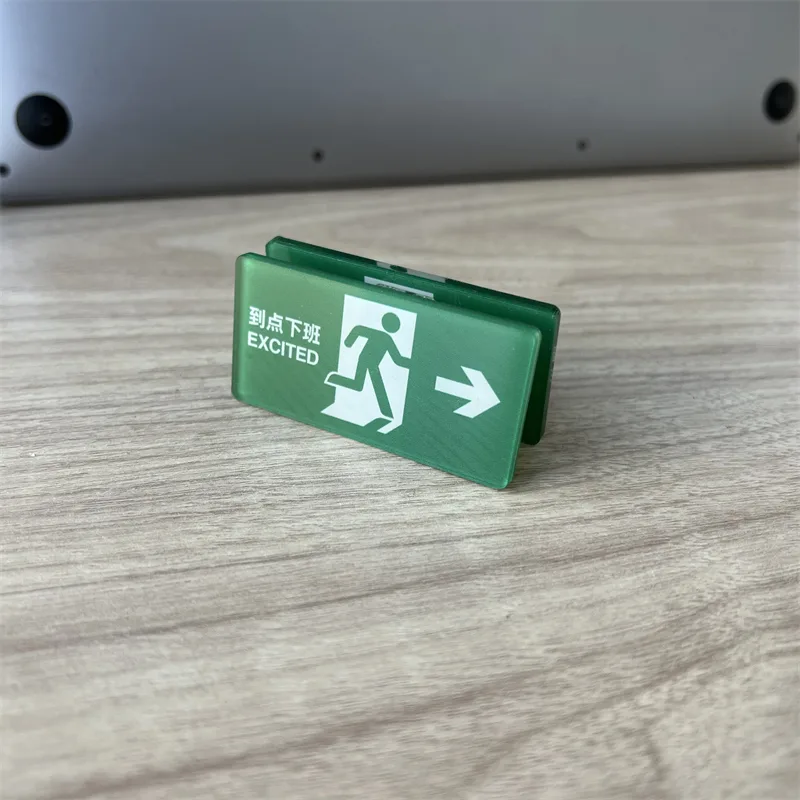
Acrylic Keychains
Cast acrylic, UV printed, cut to your outline. Epoxy, holographic or flat — your call.
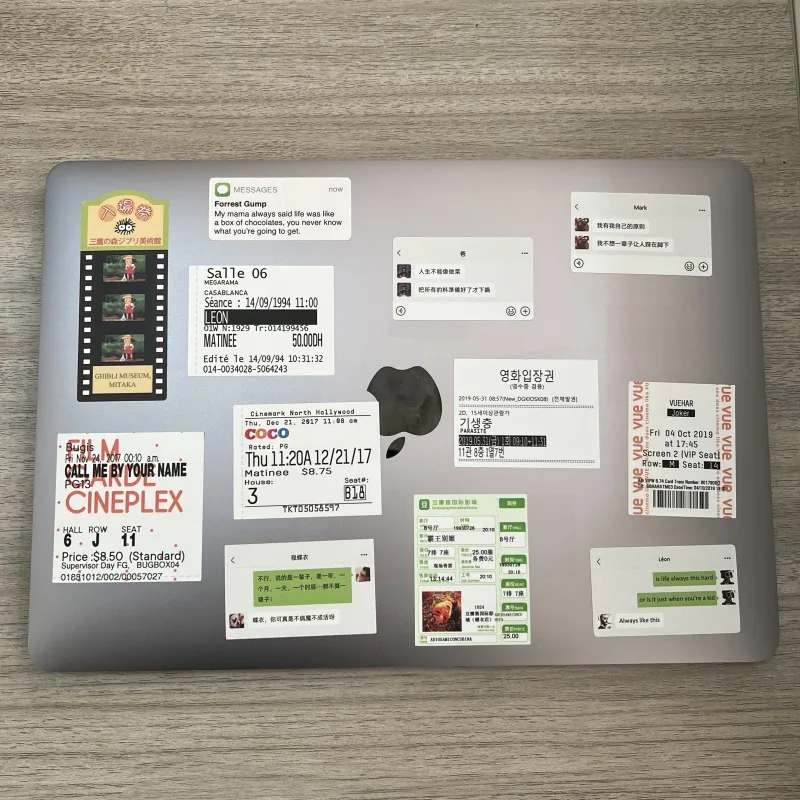
Stickers
Die-cut to your outline or kiss-cut on a sheet. Gloss, matte, holographic or clear.
Fridge Magnets
The same artwork, a different object on the shelf. Printed, domed and backed to hold what you need it to hold.
KEEP READING