
Why I kept looking for suppliers even after I already had a good one
A buying habit that looked like disloyalty and turned out to be the most useful thing I did as a seller — and the logic behind it that now shapes how OFFPRESS treats enquiries.
Alex, founder · Written from first-hand experience · Stage: Comparing suppliers · 2 Sept 2026
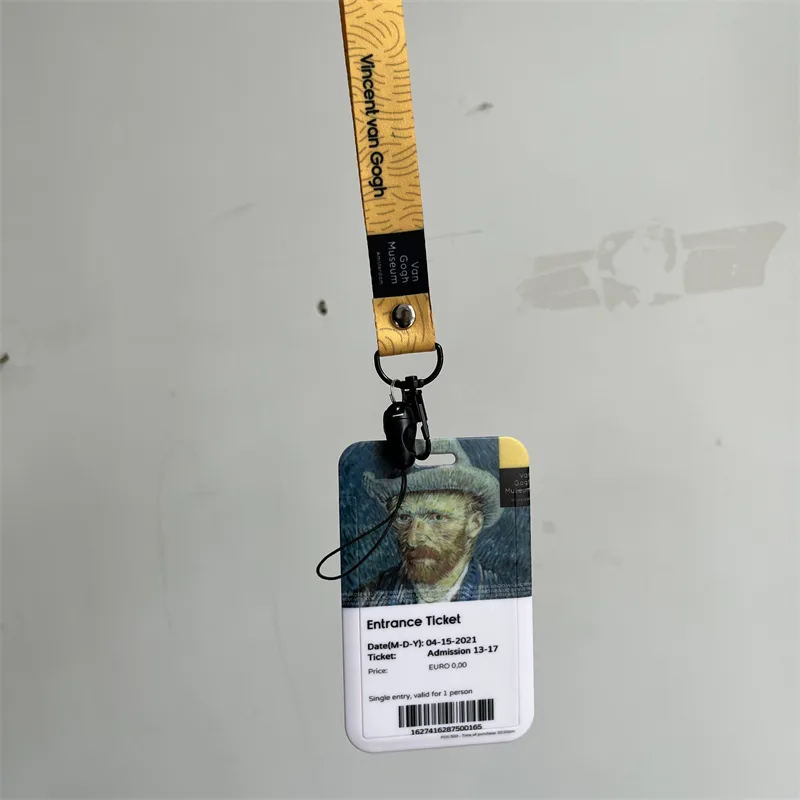
For most of the years I spent selling these products — keychains, magnets, stickers and the rest — I had a supplier I was happy with. Orders arrived. Quality was fine. And every few months, I still spent an evening getting quotes from other factories for a design I had no intention of moving.
This looked like paranoia to me at first too. It wasn’t. Here’s the logic, in the order I learned it.
The reasons I never stopped
Re-quoting kept me honest about price. The first time I re-quoted a running design elsewhere, I found a gap I didn’t expect — not enormous, but a year’s worth of margin on my best seller. Nothing had gone wrong with my supplier; the market had simply moved, and only a fresh quote could show me that. Suppliers re-price their materials; buyers who never re-quote never see it.
Quantities changed the answer. The quote that made sense at 100 pieces wasn’t the quote that made sense at 500. Every time my order size stepped up, the cost curve re-shaped — and a supplier who was sharp at small volume wasn’t automatically sharp at scale. Re-benchmarking at each quantity step became routine, not drama.
I wanted to know what “good” looked like. A consistent reorder proves consistency, not quality. I wanted other people’s samples of the same design in my hand — not to switch, but to calibrate. Some of those samples were worse and made me appreciate my supplier. One or two were better on a specific thing (an edge finish, a colour match), and that knowledge made my next spec conversation better.
A good month is a supply-chain stress test. The time I got burned — orders promised for a selling window that shipped after it — taught me the expensive lesson: my supplier’s capacity was my capacity. After that, I kept one alternative warm with occasional small orders, so that a stock-out week could be rerouted instead of lost. An untested backup is just a phone number.
Service drift is silent. Suppliers don’t announce that replies take longer than they used to. You notice it in passing, talk yourself out of it, and then a peak season arrives riding on a relationship that has quietly thinned. Having a live alternative changes those conversations — politely, and mostly without ever being mentioned.
What it cost me
Almost nothing, done small. A quote is an email. A test order — one design, a quantity I could have afforded to give away — was pocket change against a season’s revenue. The habit that felt disloyal cost less than a single rush order.
Why OFFPRESS is built around this habit
Because I was that buyer, OFFPRESS is shaped around the questions I actually had:
- Specs published up front — so a comparison takes minutes, not a week of chasing.
- Written quotes and spec sheets — so you’re comparing documents, not chat messages.
- A physical sample of your design — because colour is settled on objects, not screens.
- No minimum-commitment theatre — testing us with one design is a normal-sized thing to do.
If you have a supplier you like: good. Keep them. And get a quote from us anyway — one design, a rough quantity, nothing else. The worst case is that you learn your current setup is genuinely good. That was never a loss either.
Alex founded OFFPRESS after years working around physical-product businesses and buying and selling custom merchandise. Pages attributed to Alex are grounded in that first-hand experience — nothing here is invented to fill a content calendar.
RELATED PRODUCTS
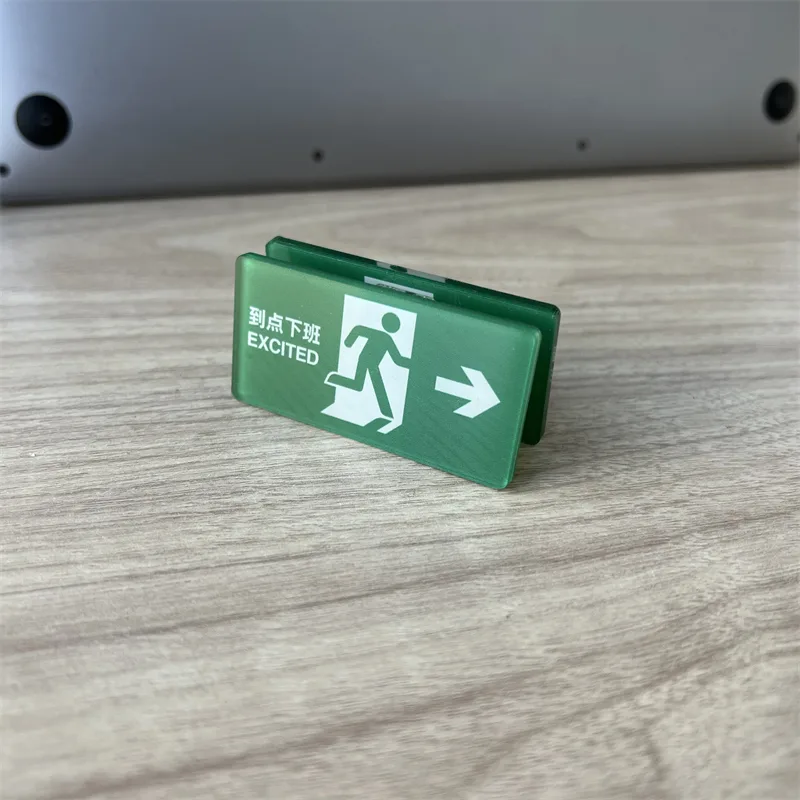
Acrylic Keychains
Cast acrylic, UV printed, cut to your outline. Epoxy, holographic or flat — your call.
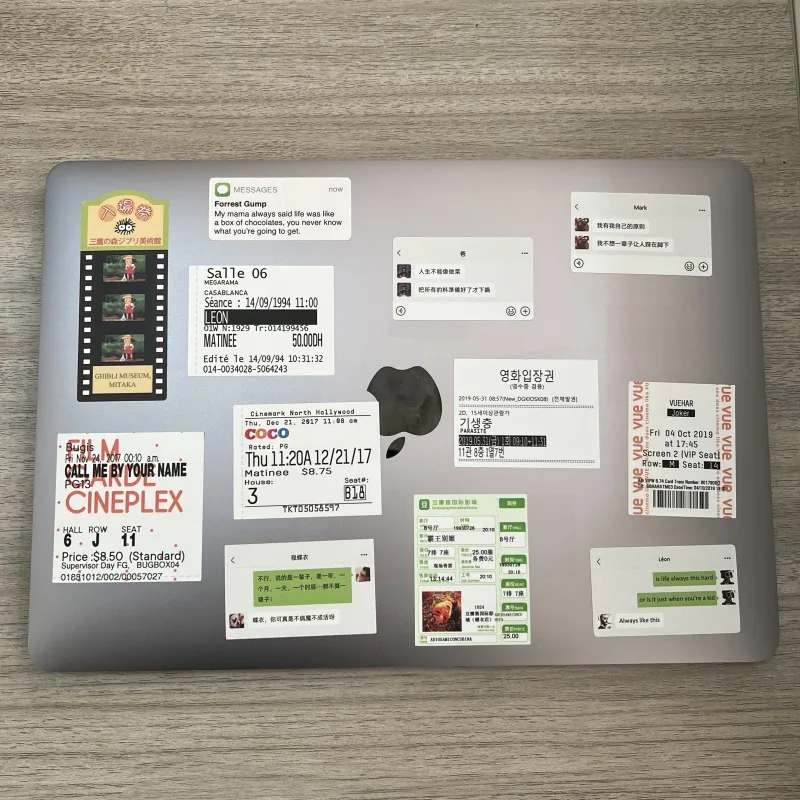
Stickers
Die-cut to your outline or kiss-cut on a sheet. Gloss, matte, holographic or clear.
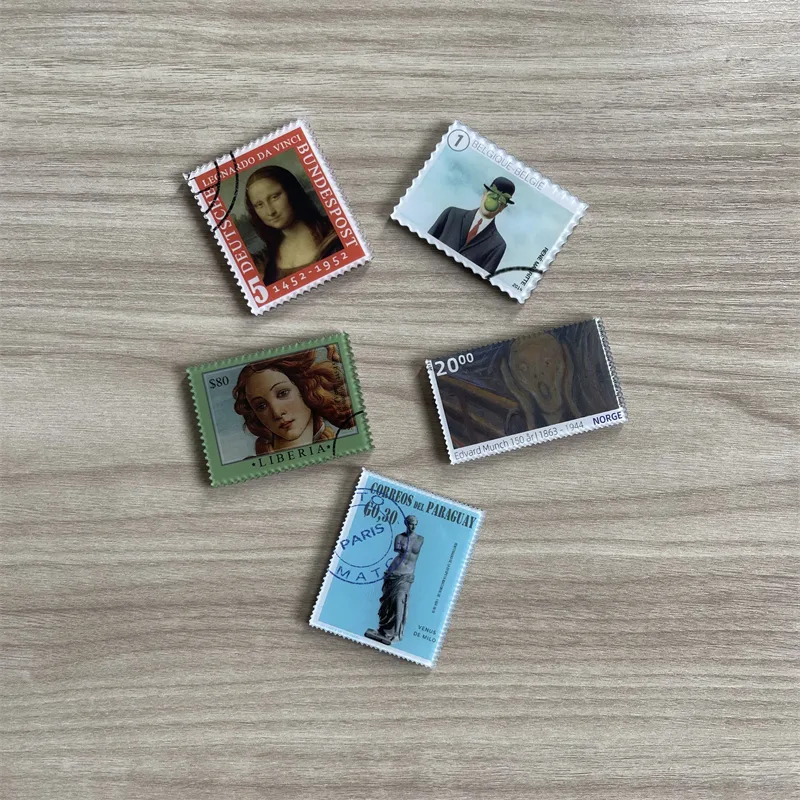
Fridge Magnets
The same artwork, a different object on the shelf. Printed, domed and backed to hold what you need it to hold.
KEEP READING