
What changed in my supplier search when order quantities grew
Small orders and large orders are different sports. What I stopped caring about, what started mattering, and why growing sellers re-quote everything — from a founder who bought these products at every size.
Alex, founder · Written from first-hand experience · Stage: Scaling · 2 Sept 2026
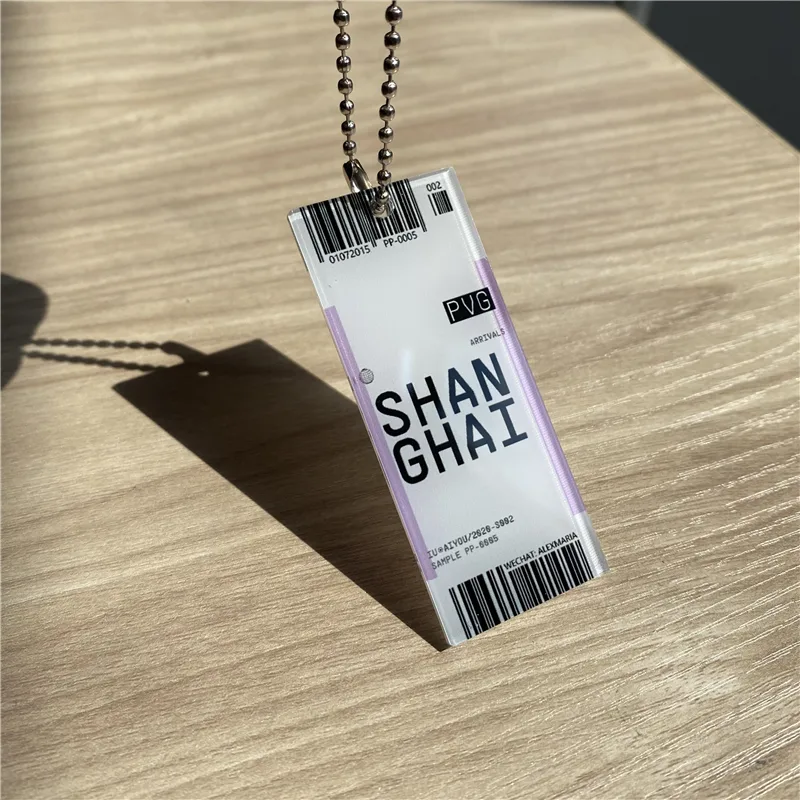
The first time I ordered these products, the order was tiny — a trial batch of a single design, the kind of order suppliers barely hide their boredom about. A couple of years later I was coordinating runs in the hundreds and occasionally in the thousands, across several designs. The products didn’t change. My supplier search completely changed.
Nobody warned me that quantity rewrites the criteria. Here’s what actually moved.
What stopped mattering
Unit price at tiny quantities. At 10–50 pieces, I paid a premium per piece and stopped negotiating it — the setup work was real, and squeezing it only got me grudging work. The smallest orders are about getting a good result, not the best price.
Breadth of the supplier’s catalogue. Small-batch me cared whether they could also do stickers, and magnets, and patches — one relationship, many products. Volume me cared about whoever was sharpest on the one product that was selling.
What started mattering
The price curve at my new quantity. The 500- and 1,000-piece quotes became the real quotes, and re-benchmarking became essential: the supplier who won at 100 pieces was often not the winner at 500. Every step up in volume, I re-quoted the same design elsewhere — sometimes confirming my incumbent was still right, sometimes moving a chunk of volume. That habit paid for itself every single time.
Consistency across a batch. At 30 pieces I could eyeball every single one. At 800, quality became a statistical question: what’s the reject rate across the run? Suppliers who could hold a standard across a long run — and show me QC before shipping — separated hard from suppliers who were fine at tiny scale.
Capacity and honesty about it. My deadline stopped being “whenever” and became a launch, a restock window, a convention date. The question changed from “can you make this?” to “can you make 1,000 of these by the 15th, and what happens if the run finds a problem on day 3?” Suppliers who could answer that with a plan — rather than a reassurance — were worth real money.
Backup capacity. The bigger my orders, the more a missed run cost me — and the more sense a second supplier made, even an expensive one, kept warm on small standing orders. Splitting production during high-stakes periods was the thing I resisted longest and valued most once I did it: if one factory slipped, the other was already running.
How they handled problems. Small orders forgive. Big orders don’t. What I learned to probe for: when a run goes wrong mid-production, does the supplier tell me early with options, or late with apologies? The only reliable way I found to learn this was to watch how they handled small friction early — a delayed reply, a corrected spec — and weight that heavily before the big order ever ran.
The transition nobody writes about
The jump between “small-batch buyer” and “volume buyer” is where most of my sourcing mistakes happened, because I carried small-order habits into big orders: trusting one quote, skipping the sample, assuming the friendly contact meant the same factory would scale with me.
The fix was boring and systematic: re-quote at every quantity step, keep the sample discipline, keep a second source warm, and treat a supplier’s problem handling — not their catalogue — as the product.
That’s exactly the buyer OFFPRESS is built for: the one whose orders grew and whose sourcing questions got heavier. The specs and written quotes stay the same at any quantity — bring one design and the new quantity, and we’ll show you how the numbers move before you commit.
Alex founded OFFPRESS after years working around physical-product businesses and buying and selling custom merchandise. Pages attributed to Alex are grounded in that first-hand experience — nothing here is invented to fill a content calendar.
RELATED PRODUCTS
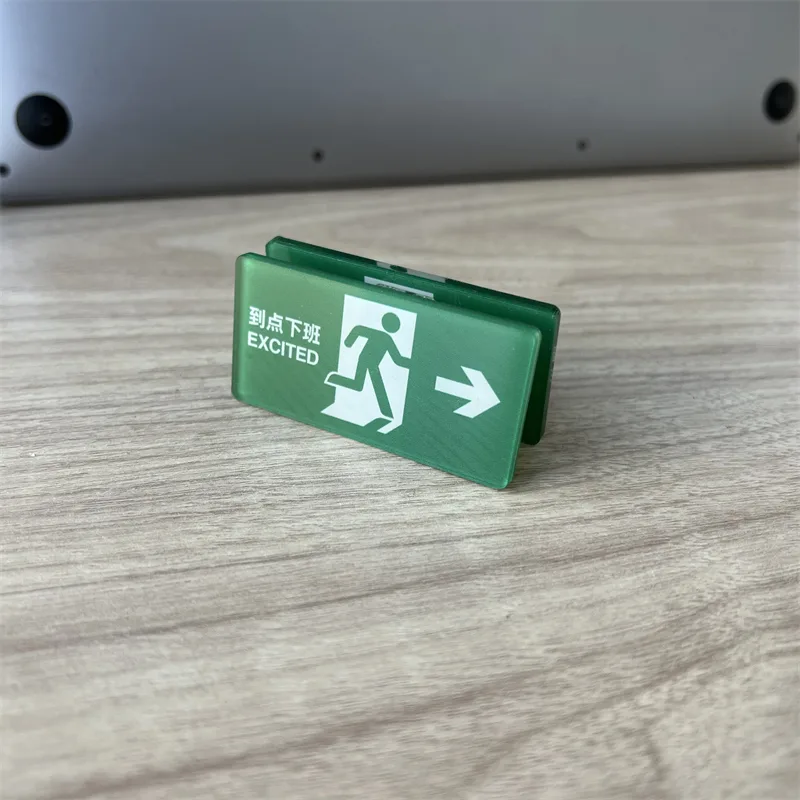
Acrylic Keychains
Cast acrylic, UV printed, cut to your outline. Epoxy, holographic or flat — your call.
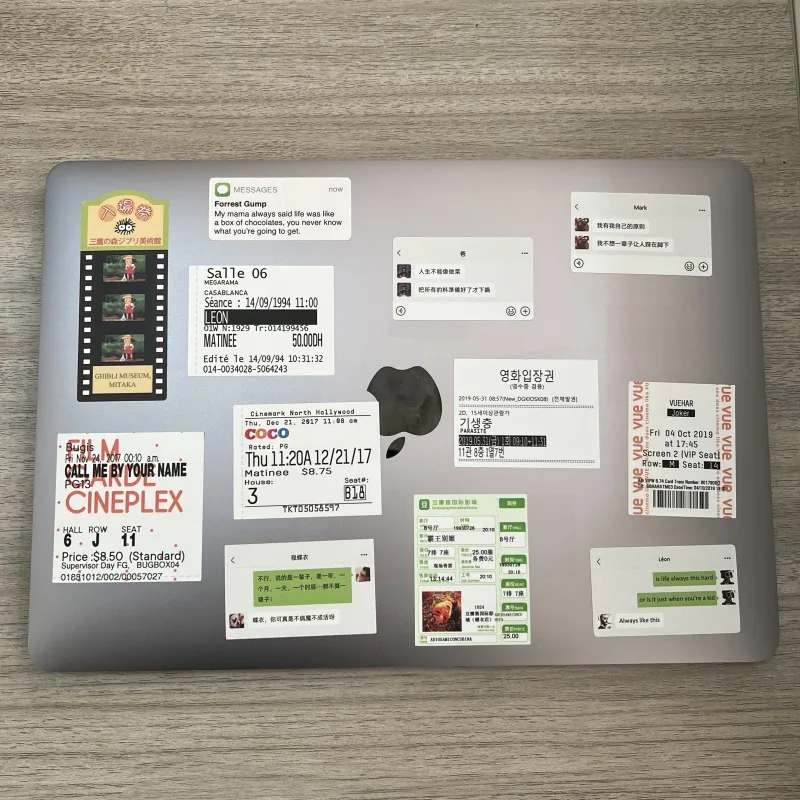
Stickers
Die-cut to your outline or kiss-cut on a sheet. Gloss, matte, holographic or clear.
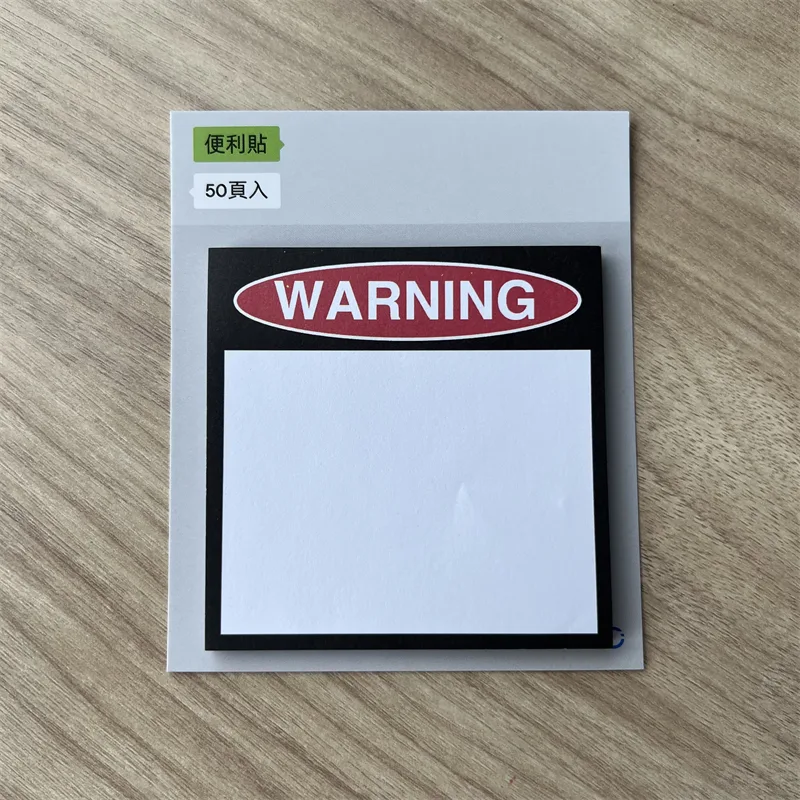
Sticky Notes
Repositionable pads with your artwork on the cover, the edge, or every single sheet.
KEEP READING